All products featured are independently chosen by us. However, SoundGuys may receive a commission on orders placed through its retail links. See our ethics statement.


You don’t need Sonos speakers to enjoy the Ace Ultra, just $450
Oct 3, 2026 — 5:00 AM ET
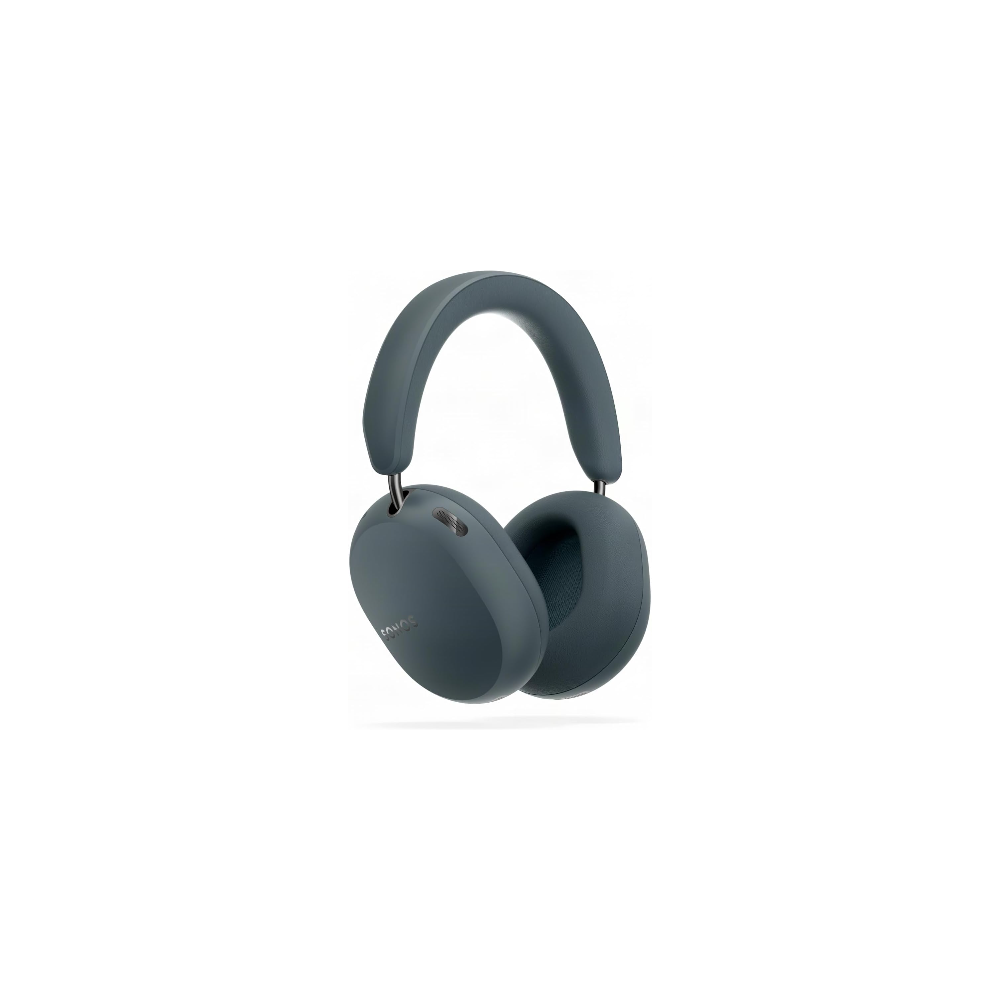
Sonos Ace Ultra
Weight: 322g


Sonos is back for round two. The Ace Ultra build on the original Ace, offering strong ANC and deep integration with the Sonos ecosystem, but the more notable upgrades are a replaceable battery and much more control over how they sound.
At $449, these are firmly in flagship territory, with plenty of competition from Bose, Sony, Apple, and Sennheiser. Has Sonos done enough with the Ace Ultra to justify the price tag? Or do they only make sense if you’re already in the Sonos ecosystem? Let’s crank up some tunes and find out.
This article was published on October 3rd, and this is the first version of the article. Updates will follow as the market changes.
What’s it like to use the Sonos Ace Ultra?
The Sonos Ace Ultra feel every bit like flagship headphones, with a premium build, comfortable fit, quality ANC performance, physical controls, and replaceable parts.
Design

New colors aside, the Sonos Ace Ultra look almost identical to the original Ace, with the overall design remaining largely unchanged. They still look and feel like premium headphones, with Sonos using a sturdy mix of plastic and metal. That premium feel comes with a tradeoff, however. At 322g, they’re on the heavier side. For comparison, the Sony WH-1000XM6 weighs about 254g, although they are mostly plastic. I don’t find the extra weight bothersome when wearing the Ace Ultra, but it’s something to keep in mind if you plan to travel with them.
Comfort is good overall. The headband and earcups have plenty of cushioning, with Sonos using a soft material that quickly bounces back into shape and helps maintain a good seal, especially if you wear glasses. The clamping force also feels about right. My only issue is the earcup space. I have fairly large ears, and the inside of the earcups feels just a little tight, but that’s not a deal-breaker for me. If you’ve got smaller ears, I don’t imagine this will be much of an issue.

I’m also glad Sonos sticks with physical controls. The combination of buttons and the Content Key slider is easy to operate by feel, and I’ll take tactile controls over fiddling with touch-sensitive surfaces any day. Better yet, some of the parts are replaceable. You can swap out the ear cushions when they wear down, and the battery is replaceable as well.
The travel case is identical to the one that came with the original Ace, complete with the removable magnetic cable pouch that keeps the included cables from floating around inside. It’s a small touch, but a nice one. Lastly, there’s no IP rating, so you’ll be taking your chances if you get caught in the rain.
Features
The Sonos app gives you plenty of control over the Ace Ultra. You can choose which noise control modes the physical button cycles through, turn ANC off completely, enable Adaptive Cancellation based on how the headphones fit, and enable sidetone so you can hear your own voice during calls. Aware Mode also has a Voice Boost option designed to make voices around you easier to hear.
The new 8-band EQ is a massive improvement over the original Sonos Ace, which only gave you basic bass and treble sliders.
The new 8-band EQ is a massive improvement over the original Sonos Ace, which only gave you basic bass and treble sliders. You can still make simple bass, midrange, and treble adjustments, but switching on Advanced EQ gives you eight bands to play with. I only need a few small adjustments to get the Ace Ultra where I like them, but having this much control makes it much easier to dial in the sound to your preference.
You can also enable Adaptive EQ, which adjusts the sound based on how the headphones fit, and Loudness, which increases bass and treble strength at lower listening volumes. Better yet, Sonos lets you turn both features off if you don’t want them. That would be me.
The Sonos-specific features are a bigger deal if you already have its speakers around the house. TV Audio Swap lets you transfer audio from a compatible Sonos soundbar to the Ace Ultra, while Headphone Linking lets you move music between compatible Sonos speakers and the headphones over Wi-Fi. You also get spatial audio with head tracking for supported content. I tried TV Audio Swap with the Sonos Beam Ultra, and holding down the Content Key moves the TV audio to the headphones within a few seconds. I’m not sure how often I’d personally use it, but it’s genuinely convenient when you want to keep watching without disturbing anyone else.
How much value you get from the Sonos-specific features largely depends on what other Sonos products you already own.
There’s a lot more going on inside the Sonos app, but the features I care about most are the ones that directly affect how I listen: the expanded EQ, customizable noise control, spatial audio, and the ability to move audio around a Sonos system. Throw in replaceable ear cushions and a replaceable battery, and Sonos has covered most of what I want from premium headphones. How much value you get from the Sonos-specific features largely depends on what other Sonos products you already own.
How does the Sonos Ace Ultra connect?

The Sonos Ace Ultra offers plenty of ways to connect, whether you want to go wireless or plug in. The headphones use Bluetooth 6.0 and support aptX Lossless for higher-quality Bluetooth streaming, along with Bluetooth multipoint for staying connected to two devices at once. In my testing, the wireless connection remained stable, and I didn’t run into any annoying dropouts or stutters during everyday use.
I’m also a big fan of the wired connectivity. You can listen over USB-C, and Sonos includes a USB-C to 3.5mm cable in the box for connecting to analog sources. That means you can plug into a laptop over USB-C or an entertainment system on a plane without buying another cable. Props to Sonos for including what you need in the box, but at $450, can I get some color-matched cables?
Props to Sonos for including what you need in the box, but at $450, can I get some color-matched cables?
Unlike the original Ace, the Ace Ultra also have Wi-Fi connectivity, but you can’t use them as a standalone Wi-Fi streamer. Instead, Wi-Fi is used for features like Headphone Linking with compatible Sonos products, including the Era 100, Era 300, Five, Arc Ultra, and the new Beam Ultra. It’s a neat trick, though Headphone Linking is currently an Early Access feature and comes with some limitations, including no support for Bluetooth or AirPlay sources.
How long does the Sonos Ace Ultra’s battery last?

The Sonos Ace Ultra lasted 35 hours and 53 minutes in our standardized battery test, exceeding Sonos’ claim of up to 35 hours with ANC enabled. That’s plenty of battery life to get you through a long flight or several days of commuting before you need to reach for a charger.
If you do get caught with a dead battery, a three-minute rapid charge provides up to three hours of playback. A full charge from 0% can take up to three hours.
Better yet, when the battery eventually wears out, you can actually replace it. Sonos sells an official replacement battery kit, so a tired battery doesn’t have to mean the end of your $449 headphones. Just know this isn’t a simple battery swap. Sonos considers it an advanced repair, and you’ll need to remove the left ear cushion, open the earcup with a Torx screwdriver, disconnect several internal components, and remove the circuit board before you can get to the battery. Sonos provides instructions for the entire process, but you’ll need to be comfortable opening up your headphones.
Still, if I’m spending this much, I’m glad a worn battery doesn’t automatically mean buying a new pair.
How well does the Sonos Ace Ultra cancel noise?
Really well. In our testing, the Sonos Ace Ultra reduce the perceived loudness of outside noise by an average of 69.7% through isolation alone, jumping to 88.1% with ANC enabled. That puts them right alongside some of the best ANC headphones we’ve tested, including the Sony WH-1000XM6 at about 87% and the Apple AirPods Max 2 at 89.4%.
Compared with the original Sonos Ace, however, there isn’t a meaningful improvement. The original Ace reduce perceived noise by about 88% with ANC enabled, making the difference between the two headphones negligible. Differences in fit, glasses, or even how the headphones sit on your head could easily account for that small gap.
In my testing, that consistent performance carries over to everyday use. Walking around the city, the Ace Ultra do a great job cutting down traffic and general background noise, and I’d have no hesitation bringing them along for a flight or a noisy commute.
How good is the Sonos Ace Ultra Aware mode?
Aware Mode works pretty well for over-ear headphones. Sitting at my desk, I can clearly hear my keyboard clicks and the occasional jangle of my dog’s collar. That said, outside sounds can still be difficult to hear, especially when I’m listening to loud heavy metal.
Aware Mode brings outside sounds to the forefront quite a bit. At lower listening volumes, there’s a bit of extra treble strength, but that does help make my surroundings easier to hear. One thing I quickly noticed is that it’s pretty easy to tap the external microphones when reaching for the controls, which sends the sound straight through the headphones. Once you know how to keep your hands out of the way, it’s easy enough to avoid.
How do the Sonos Ace Ultra sound?
The Sonos Ace Ultra sound very good overall, with plenty of bass strength and decent clarity, but the uneven treble won’t suit everyone. Fortunately, the new 8-band EQ gives you plenty of control to adjust the sound to your preference.
Reviewer’s notes
Editor’s note: this review uses a hover-enabled glossary to describe sound quality based on a consensus vocabulary. You can read about it here.
Can you use the Sonos Ace Ultra for phone calls?
Yes. The Sonos Ace Ultra use a 10-microphone array for noise control, Aware mode, and calls, with beamforming microphones that focus on your voice while suppressing background noise. There’s also Sidetone, which feeds some of your voice back through the headphones during calls with ANC enabled, so you can hear yourself speak.
Sonos Ace Ultra microphone demo (Ideal conditions):
How does the microphone sound to you?
Sonos Ace Ultra microphone demo (Office conditions):
Sonos Ace Ultra microphone demo (Street conditions):
Sonos Ace Ultra microphone demo (Windy conditions):
Sonos Ace Ultra microphone demo (Reverberant space):
In my testing, my voice comes through clearly, and the microphones do a good job of keeping background noise at bay. In an office, some keyboard strokes still make it through, but they aren’t overly distracting. Outside, the microphones do a good job reducing traffic noise, although I can occasionally hear some glitchiness as the processing tries to separate my voice from the background. Either way, the Ace Ultra are more than suitable for calls on the go or meetings at your desk.
Should you buy the Sonos Ace Ultra?

If you’re already invested in the Sonos ecosystem, the Ace Ultra make the most sense. Features like TV Audio Swap and Headphone Linking give you ways to use the headphones around your home that you simply won’t get if you don’t own other Sonos products.
I’m not in the Sonos ecosystem, and I still really enjoy using the Ace Ultra. They feel premium, the ANC is excellent, and the new 8-band EQ gives you plenty of control over the sound. I also give Sonos a lot of credit for the replaceable battery and ear cushions. If you simply want a really nice pair of headphones that look and feel premium, I don’t think the Ace Ultra will disappoint.
You’ll just have to pay $450 for them. That’s a lot of money, especially when you aren’t taking advantage of the Sonos-specific features. If you’ve got the budget and like what the Ace Ultra offer, go for it. Just know that Sonos owners are getting more for their money.
Would you buy the Sonos Ace Ultra?
If you aren’t interested in the Sonos-specific features, the Sony WH-1000XM6 and Sennheiser Momentum 5 Wireless are obvious alternatives to consider. Both compete directly with the Ace Ultra on sound, ANC, and everyday features. Otherwise, it’s worth checking our list of the best noise canceling headphones before spending $449 on a set of cans.
Thank you for being part of our community. Read our Comment Policy before posting.