All products featured are independently chosen by us. However, SoundGuys may receive a commission on orders placed through its retail links. See our ethics statement.
Wired earbuds are having a moment, and it’s easy to see why. You never have to charge them, you never have to pair them, there’s no Bluetooth lag when you’re watching videos or gaming, and a USB-C connection delivers lossless audio straight from your device. Wired headphone revenue jumped 20% in the first weeks of 2026, and brands like Sony and Bose have since released new USB-C pairs.
We’ve spent the year testing those new USB-C earbuds in our lab and out in the real world, from Sony’s sub-$30 IER-EX15C to Bose’s $99 noise-canceling pair. Every pick below plugs directly into a USB-C phone, tablet, or laptop without a dongle or DAC, so this list is for anyone who just wants something that works. If you’re after audiophile-grade sound and don’t mind an adapter, check out our list of the best IEMs instead.
Already own something?
Anything we have measured, not just the picks. It becomes a second curve on every chart here. Sign-in needed to publish.
The Sony IER-EX15C are compact and straight-forward wired earbuds with microphone and in-line remote. They connect via USB Type-C and are made for maximum device compatibility.
MMatiasSigned-in owner. This member signed in to publish, so their reviews count for points and show on their profile.Owner · Under a month↻ Would buy again
✓Better than expected: Shells and connectors after months
Did this help you decide?Be the first to say
The Sony IER-EX15C are the wired earbuds we’d recommend to almost anyone. They’re small, light, and comfortable enough that we wore them for more than eight hours without issue. Unlike Apple’s EarPods, they use silicone ear tips to seal your ears, which gives you fuller bass and blocks more noise. They also come in two versions, USB-C and 3.5mm, so you can match them to your phone or laptop. The USB-C model works on Mac, Windows, iPhone, and Android with no drivers or setup.
In our testing, the IER-EX15C sounded smooth and pleasant, with punchy bass and a slight dip in the treble that takes the edge off harsh vocals and cymbals. That makes them great for long podcast sessions and easy-listening playlists. The biggest catch is microphonics: the cable picks up noise when it rubs against your clothes, so you’ll hear thumps in your music and the people on your calls will hear them too. They’re fine at a desk or on the bus, but we wouldn’t take them on a run.
The build feels a little cheap, but not fragile. The cable twists on itself without tying into knots, and the inline remote has a satisfyingly clicky volume rocker, though the play button is stiff. One small annoyance: it’s hard to tell the left and right earbuds apart at a glance. The left side has the inline mic, which helps.
The IER-EX15C are also a surprisingly good pick for gaming. In Apex Legends, we found it easy to separate footsteps, gunfire, and teammates’ callouts, and sounds panned smoothly from left to right. Spatial depth is shallow, so sounds feel either close or far with nothing in between, but that’s a small trade-off for earbuds at this price.
The Sony IER-EX15C are cheap, comfortable, and sound good. They're everything most people need from wired earbuds.
There are a few other trade-offs. Passive isolation is only middling: train screeches get duller and crowd noise turns into a loud whisper, but you’ll still hear plenty. The cable isn’t replaceable either, which is a shame when even budget IEMs let you swap them. If the cable gets damaged, you’ll need a new pair. Still, for a reliable, discreet everyday pair from a big-name brand, the IER-EX15C are hard to beat.
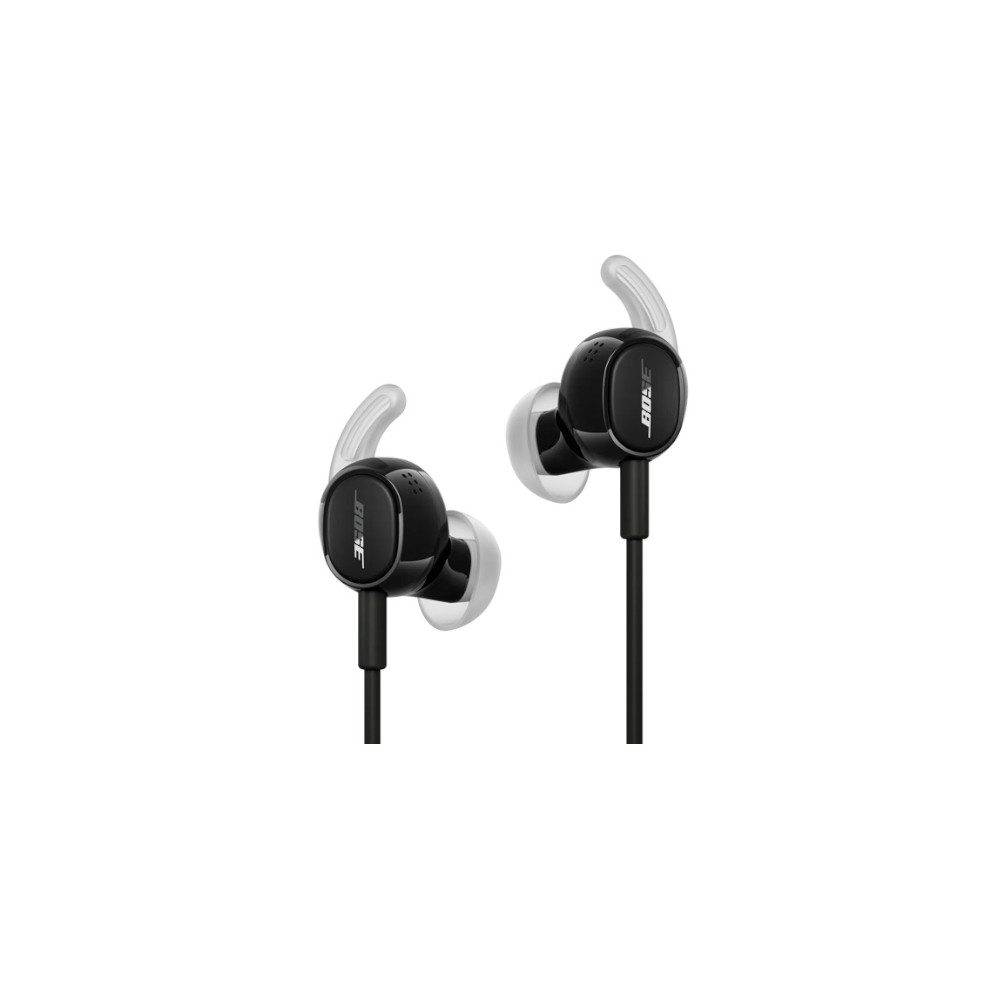
Bose Noise Cancelling Wired Earbuds: The best noise-canceling wired earbuds
BBbrian brannonSigned-in owner. This member signed in to publish, so their reviews count for points and show on their profile.Owner · Under a month↻ Wouldn’t buy again
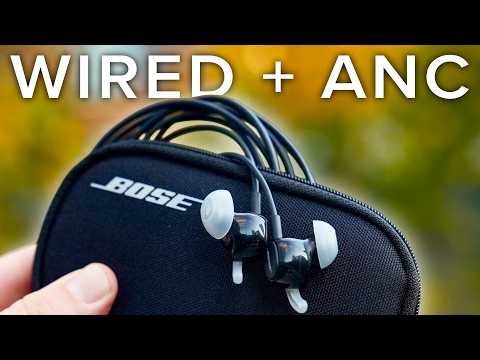
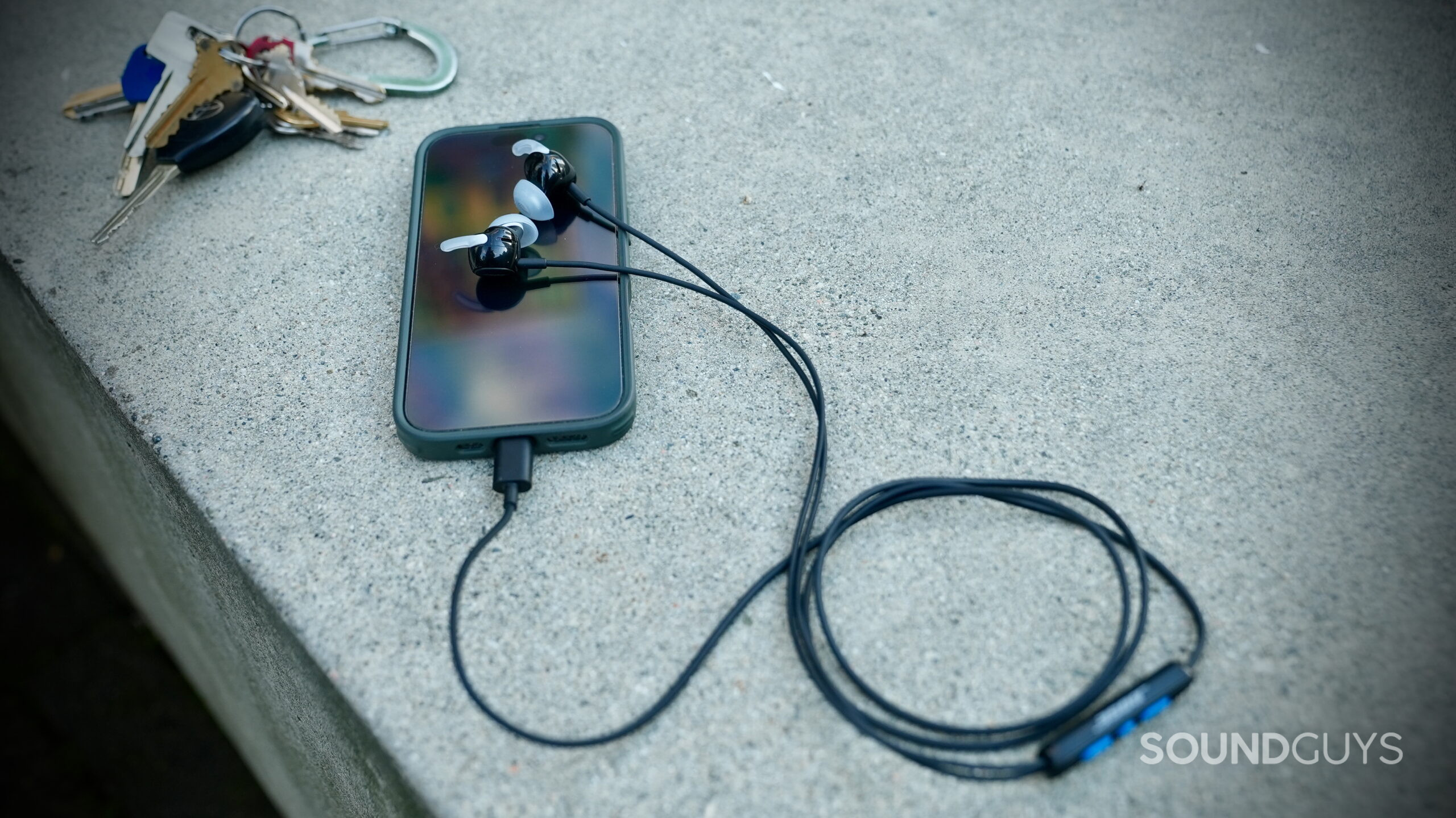
The Bose Noise Cancelling Wired Earbuds bring proper active noise canceling (ANC) to a plug-and-play pair of earbuds, with no battery at all. They draw power from your phone’s USB-C port to run ANC, so you never charge them, though they do use a bit of your phone’s battery. In our lab, they reduced the perceived loudness of outside noise by an average of 82.3% with ANC on, close to Bose’s own flagship wireless earbuds. You can cycle through Quiet, Aware, and ANC Off modes from the inline remote, and the IPX4 rating covers sweat and light rain. One thing to know before you buy: they’re USB-C only, so they won’t plug into a 3.5mm headphone jack, even with an adapter.
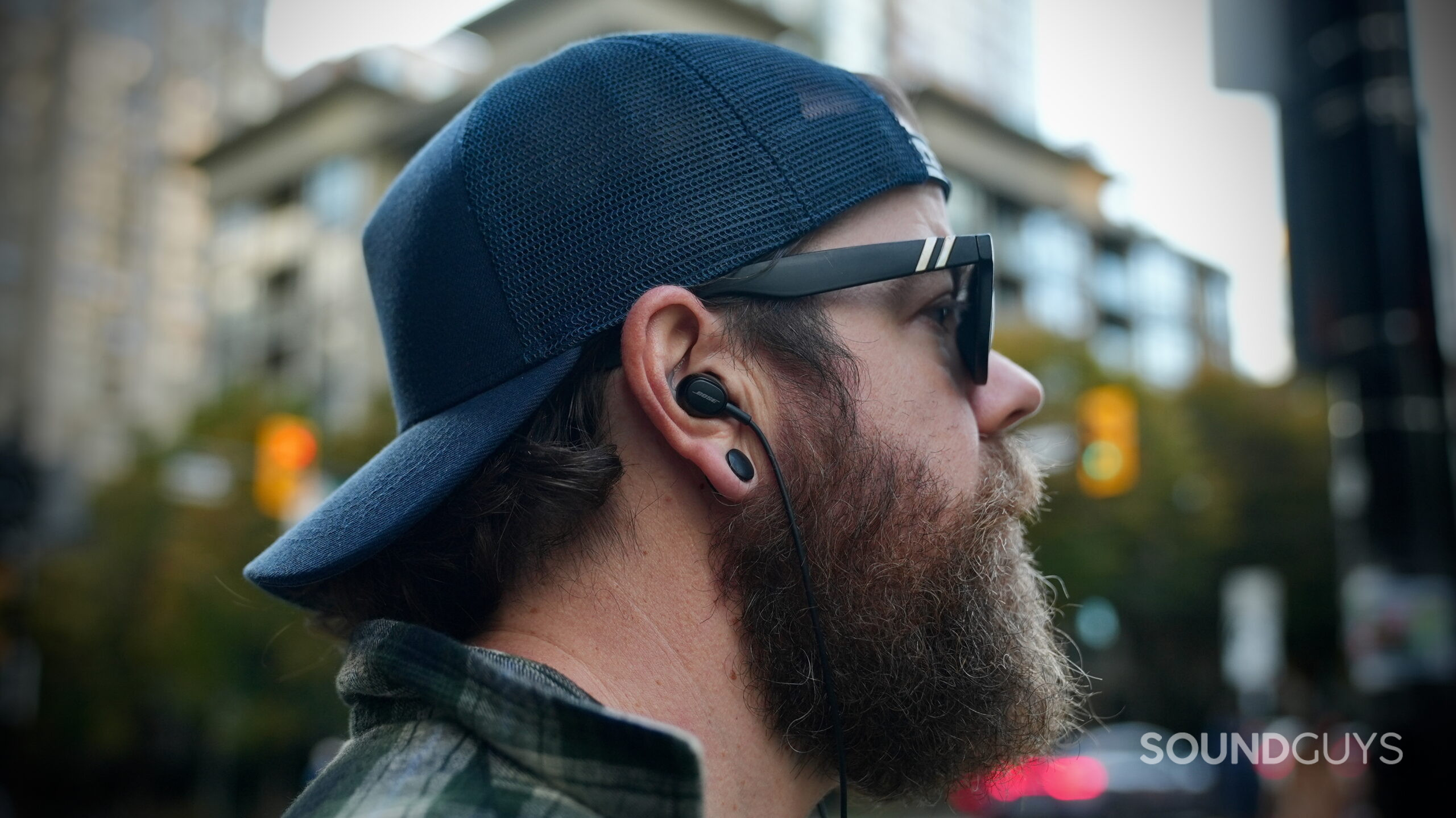
The fit is shallower than most earbuds, with the tips sealing close to the entrance of your ear canal. You get three sizes of silicone ear tips and two sizes of stability wings to keep things secure, plus a carrying case. Like any ANC earbuds, these need a good seal to work well, so it’s worth trying each tip size.
ANC does its best work on steady, low-pitched noise like engines, transit rumble, and air conditioning. Voices and higher-pitched sounds still get through, so we’d treat these as a great backup pair for travel or work rather than a full replacement for top-tier wireless ANC earbuds. Aware mode works well enough to keep tabs on your surroundings at lower volumes, though it doesn’t sound completely natural.
Our testing shows the Bose Noise Cancelling Wired Earbuds reduce the perceived loudness of outside noise by an average of 82.3% with ANC enabled.
Sound quality is a pleasant surprise. The earbuds follow our preference curve closely, and they earned an MDAQS score of 4.7 out of 5. That’s only a tenth of a point behind the QuietComfort Ultra Earbuds (2nd Gen). They’re less bass-heavy than you might expect from Bose, though, and there’s no app or EQ to adjust the sound. The downsides are the microphone, which picks up a lot of background noise on calls, cable noise when you’re moving around, and a cable you can’t replace. Stock has also been patchy since launch, so if you can’t find a pair, the Belkin SoundForm ANC Wired Earbuds below are a cheaper alternative.
Apple EarPods (USB-C): The best wired earbuds for iPhone and calls
If you take a lot of calls or Zoom meetings, the Apple EarPods (USB-C) are easy to recommend. Their mic sounds better than almost anything else we’ve tested, including plenty of wireless earbuds. They’re also as simple as earbuds get: no app, no pairing, no firmware updates. You just plug them into your iPhone 15 or later, iPad, or Mac and press play. The tactile inline remote handles volume, play and pause, and calls, and you can double-press the volume buttons to skip tracks. The trade-off is fit. EarPods don’t seal your ears, so bass is weak, you’ll hear everything around you, and they can slip out when you’re moving.
That unsealed, one-size-fits-all design is the EarPods’ biggest weakness. Without ear tips, there’s no seal to hold in bass or block outside noise, so you’ll probably turn the volume up to compensate in loud places, and people nearby can hear your music. They’re not built for workouts, either. Our tester had them slip out just walking around, and they have no water resistance rating.
No app, no pairing, no firmware updates. You just plug the EarPods in and press play.
USB-C should mean they work everywhere, but that isn’t guaranteed. The EarPods worked fine with Samsung phones in our testing, but they didn’t work at all with the Asus Zenfone 10. If you mostly use Android, the Sony IER-EX15C are the safer bet. If you’re on an iPhone, want a clear mic, and value simplicity over sound quality, the EarPods are still a great $19 backup pair to keep in a bag or at your desk. For more iPhone-specific options, see our list of the best wired earbuds for iPhone.
A pair of IP65-rated wired headphones with a USB-C jack for compatibility with modern smartphones.
The JBL Endurance Run 3 are the ideal wired headphone choice for runners, thanks to their IP65 rating, TwistLock and FlipHook attachment, and intuitive button controls. They feature 8mm dynamic drivers and magnetic housings for easier storage while not in use.
Most wired earbuds aren’t built for sweat, but the JBL Endurance Run 3 are. Their FlipHook design lets you wear them two ways: in-ear like regular earbuds, or with the hook flipped up to sit behind your ear for extra stability on a run. JBL rates them IP65, which means they’re dust-tight and protected against water jets, so sweat and rain shouldn’t be a problem. When you’re between sets, magnetic earbuds snap together so the pair can hang around your neck without tangling. We haven’t put the Endurance Run 3 through our full testing yet, but the spec sheet is what you’d want from wired workout earbuds.
Alongside the FlipHook, JBL’s TwistLock design is meant to keep the buds seated as you move, and you get three sizes of ear tips to help find a secure seal. The three-button inline remote and mic handle calls, playback, and volume, and you can also switch between JBL’s EQ presets from the remote.
A flip-up hook, an IP65 rating, and magnetic earbuds make the Endurance Run 3 a practical pick for the gym.
The Endurance Run 3 come in USB-C and 3.5mm versions. The USB-C model costs a bit more, but it plugs straight into a modern phone without an adapter. Keep in mind that any cable can tug or bounce while you’re running, so if you’d rather go wireless, check out our list of the best workout earbuds.
Audio-Technica ATH-CKD30C: The best wired earbuds for gaming
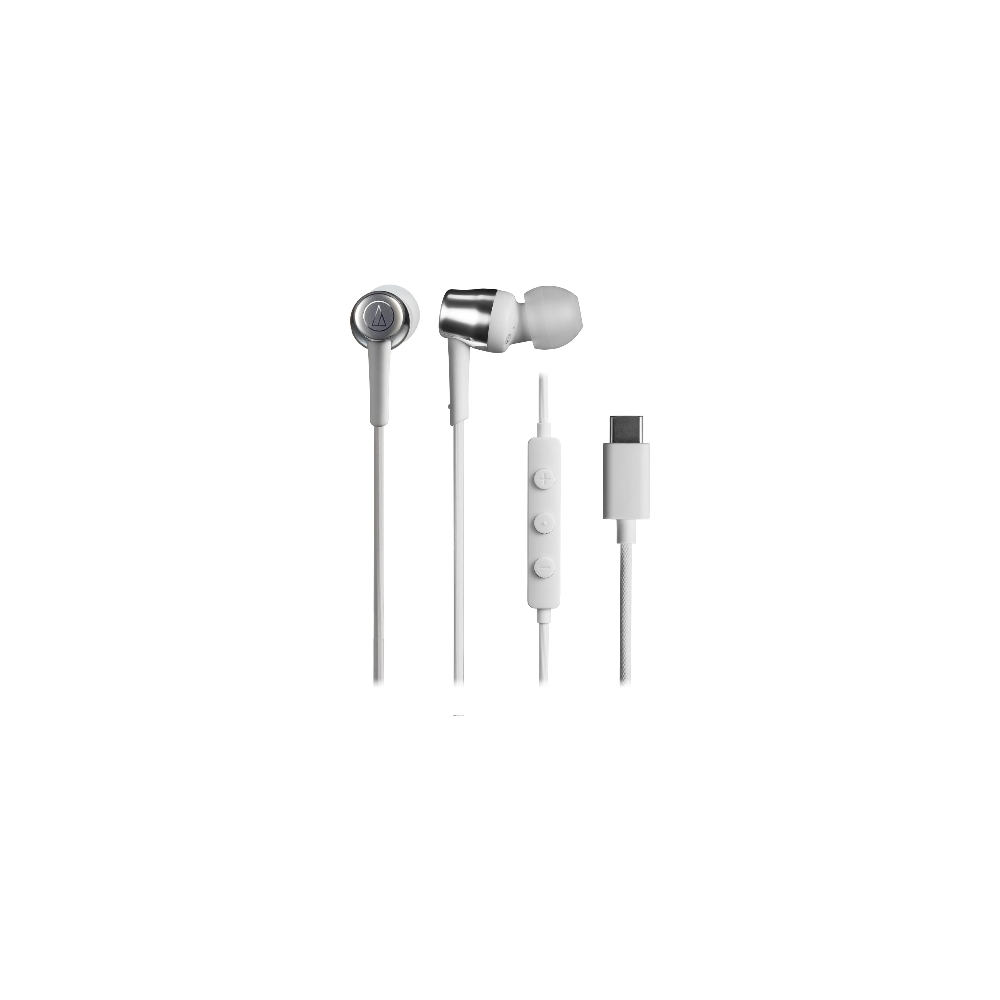
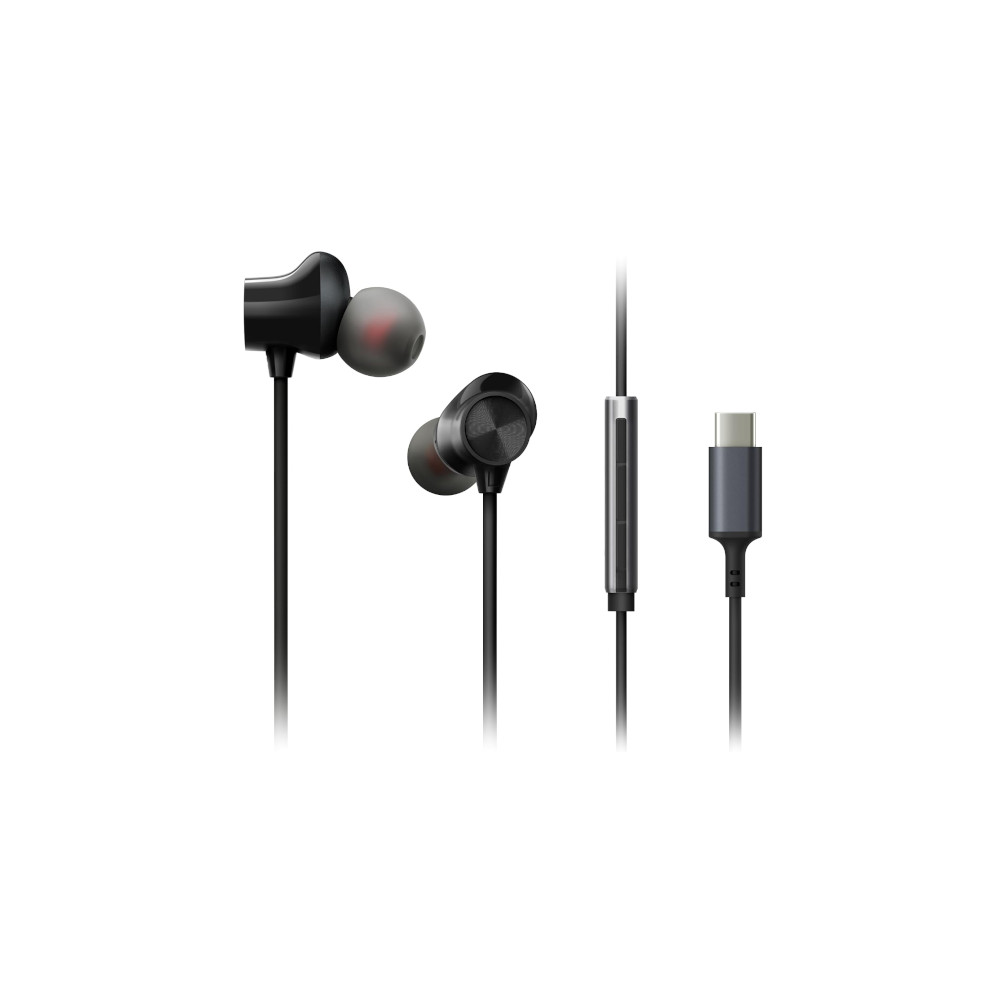
These USB-C earbuds offer plug-and-play listening, punchy sound from 10 mm drivers, and a tangle-free cloth cable. In-line controls make it easy to manage music and calls, while Bass Boost and Clear Voice EQ modes let you emphasize bass or hear voices more clearly.
Bluetooth lag is the enemy of gaming, and a wired USB-C connection gets rid of it entirely. The Audio-Technica ATH-CKD30C plug straight into a USB-C phone, tablet, or computer, and their built-in DAC handles audio up to 24-bit/96kHz. They also have a trick most cheap wired earbuds don’t: two EQ modes you can switch between from the inline remote. Bass Boost adds weight to explosions and soundtracks, while Clear Voice brings dialogue and voices forward. The inline mic covers in-game chat and calls. We haven’t tested the ATH-CKD30C yet, but on paper they’re a well-rounded pick for gamers on a budget.
Inside are 10mm dynamic drivers. Audio-Technica includes four sizes of ear tips, including an extra-small size, so they’re also worth a look if most earbuds feel too big for your ears.
Two EQ modes and a wired USB-C connection make the ATH-CKD30C a flexible pick for gaming and calls.
There’s no noise canceling here, so you’ll want the Bose Noise Cancelling Wired Earbuds if you game on noisy commutes. And if you’re into competitive shooters and want something we’ve lab-tested, our top pick, the Sony IER-EX15C, did a great job separating footsteps and callouts in Apex Legends. For more gaming-focused options, see our list of the best IEMs for gaming.
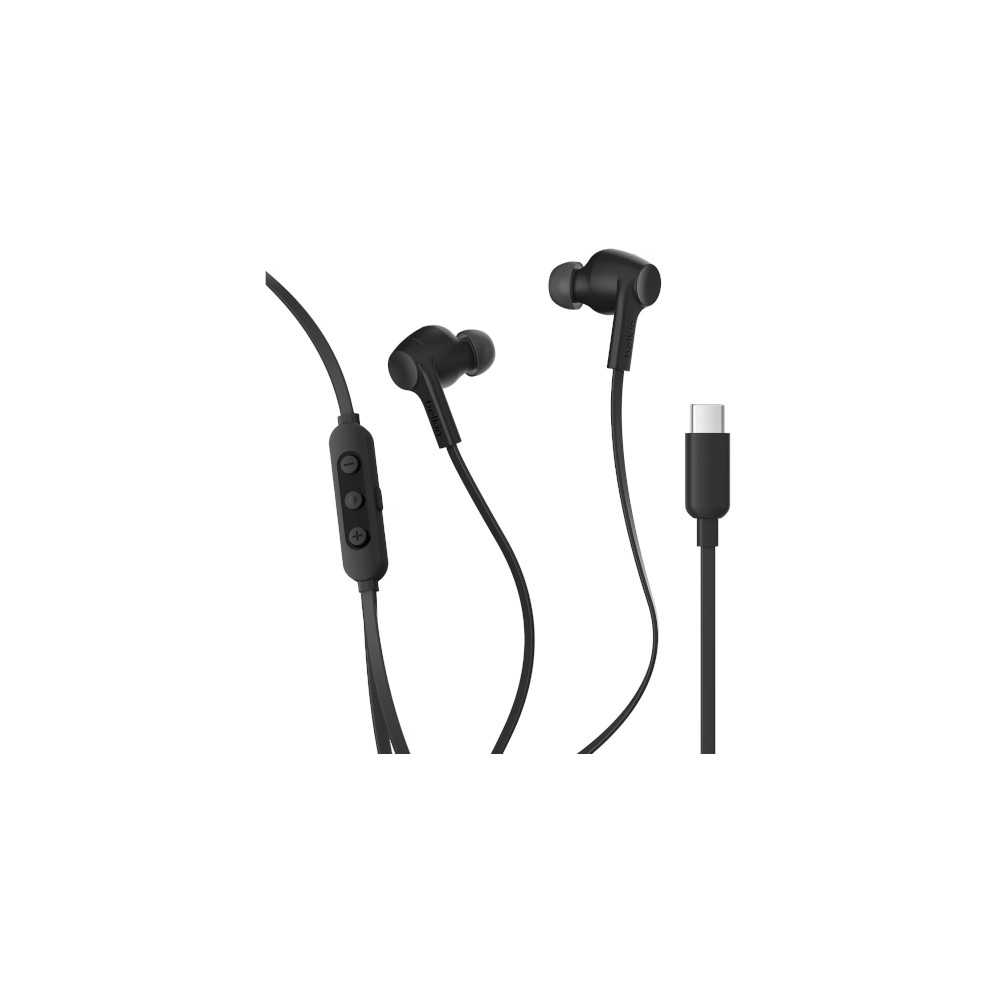
Belkin SoundForm ANC Wired Earbuds: If you want noise canceling for about a third of the Bose’s price, these are worth a look. Like the Bose, they draw power from your device’s USB-C port to run ANC, so there’s no battery to charge. You can switch between ANC and an ambient mode from the inline remote. Belkin also includes three EQ presets and rates them IPX5, a step up from the Bose’s IPX4. Just don’t expect Bose-level noise canceling for the money.
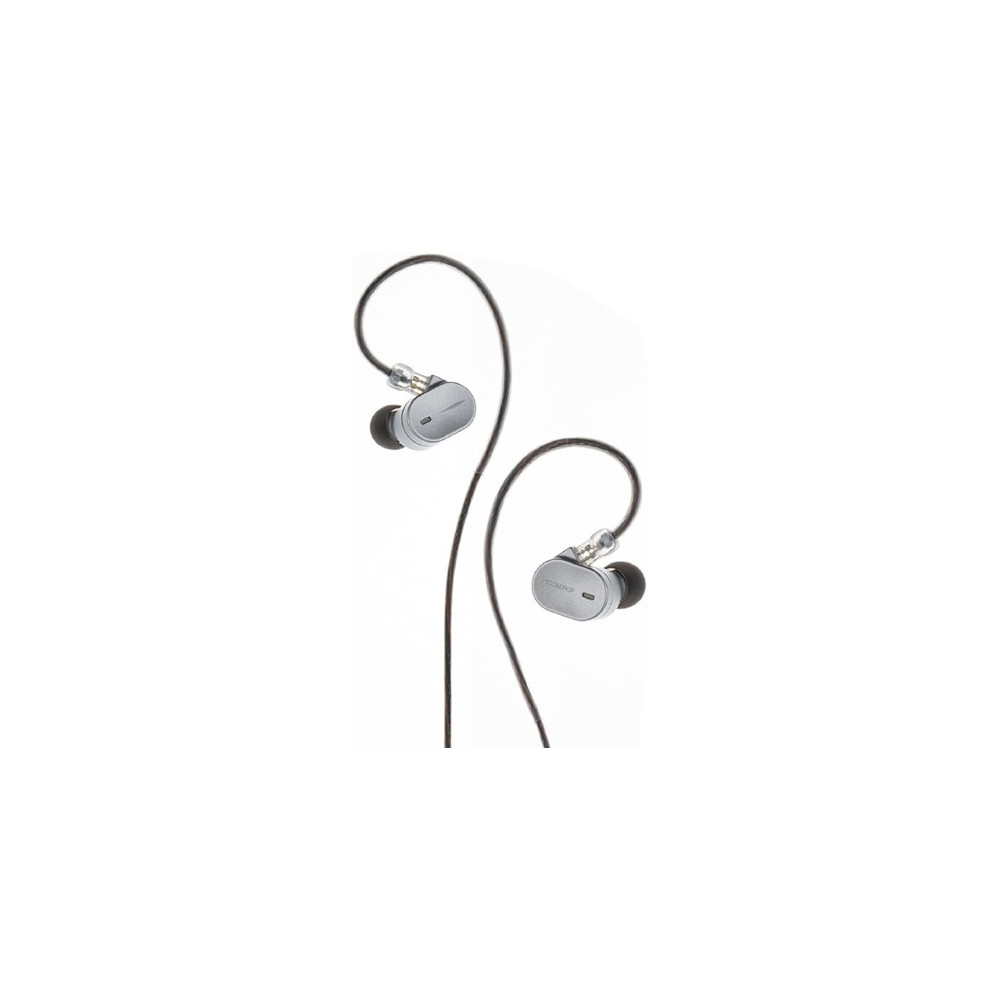
Moondrop Chu III: If you have a headphone jack or don’t mind using a USB-C dongle, the Chu III are a great first step into IEMs for under $30. They have a small, all-metal build, a comfortable fit that stays put, and a removable cable that uses the common 0.78mm two-pin connector. They sound good too, though isolation is only average. Just note they only come with a 3.5mm plug.
The Panasonic ErgoFit RP-TCM325 is for bargain-conscious buyers who want wired earbuds, but modern enough not to need a dongle for use with their phone.
Panasonic ErgoFit (USB-C): Panasonic’s ErgoFit buds have been a cheap, reliable go-to for years, and they now come in a USB-C version (RP-TCM325) with an inline mic. You get three sizes of ear tips and a lightweight, no-frills design. If you still have a headphone jack, the classic 3.5mm ErgoFit is even cheaper.
Wired earbuds are simpler than wireless ones, but that doesn’t mean every pair will work for you. The biggest question is whether they’ll plug into your devices at all. After that, fit makes the biggest difference to how they sound and how long you can comfortably wear them.
The best wired earbuds plug into the devices you already own and fit well enough that you forget you're wearing them.
You also don’t need to spend much. We’ve found time and again that price doesn’t determine sound quality, so focus on the features you’ll actually use.
The right plug: Most phones no longer have a headphone jack, so USB-C earbuds are the easiest choice. A 3.5mm pair can still work with a USB-C dongle, but that’s one more thing to carry and lose.
A built-in DAC: USB-C earbuds receive a digital signal and convert it to sound themselves, so you don’t need an external DAC or amp. That also means your phone’s audio hardware doesn’t hold them back.
A good seal: Earbuds with silicone ear tips seal your ears, which gives you fuller bass and blocks more outside noise. A poor seal is the fastest way to make good earbuds sound thin. Learn more about why fit matters.
Plenty of ear tip sizes: Everyone’s ears are different. Look for at least three sizes, and an extra-small size if regular earbuds feel too big.
Isolation or noise canceling: Passive isolation from a good seal goes a long way. If you want to block out engine and transit rumble, wired earbuds with ANC now exist, and they draw power from your phone instead of a battery.
A usable mic and remote: An inline remote with physical buttons is easier to use than touch controls. If you take calls, check mic samples in our reviews, because quality varies a lot between models.
Low cable noise: Some cables transmit thumps and rustling when they rub against your clothes (microphonics). It’s not a big deal at a desk, but it’s annoying on walks and runs.
Water resistance: If you’ll sweat in them, look for at least an IPX4 rating. Workout-focused pairs often go higher.
A replaceable cable: The cable is usually the first thing to fail on wired earbuds. Most plug-and-play pairs have a fixed cable, but IEMs often let you swap them out.
Sound you can trust: Marketing claims don’t tell you much. Check measured frequency response in our reviews to see how closely a pair follows our preference curve.
At SoundGuys, we’ve been reviewing earbuds for years, and we’ve watched wired audio go from the default to an afterthought and back again. When USB-C earbuds started making a comeback, we tested them the same way we test everything else: on our commutes, at our desks, in games, and on calls.
We combine hands-on use with lab measurements, so our recommendations rest on data, not marketing claims.
We measure frequency response and isolation on our Brüel & Kjær 5128 test head, score sound quality with MDAQS, and record microphone samples so you can hear the difference for yourself. Read more about how we test.
Readers' poll
What do you look for in wired earbuds?
5 votes
Lab results aren’t the whole story, so we also judge fit, comfort, controls, cable noise, and how well each pair works across phones and laptops. When we include a product we haven’t fully tested yet, we say so and stick to verified specs. None of our writers benefit from steering you toward one product over another, and you can read our ethics policy for the full picture.
Frequently asked questions about wired earbuds
Yes. The easiest option is a pair of USB-C earbuds like the ones on this list, which plug straight into your phone’s charging port and have their own built-in DAC. You can also use any 3.5mm earbuds with a USB-C-to-3.5mm dongle, which opens up a much wider range of options like the IEMs on our best IEMs list. The trade-off is one more piece to carry and lose, and some dongles don’t support inline mics and remotes.
Yes, if your iPhone has a USB-C port, which includes the iPhone 15 and later. Apple’s EarPods (USB-C) are designed for them, and most other USB-C earbuds work too. Older iPhones with a Lightning port need Lightning earbuds, such as the Lightning version of the EarPods.
No. Wired ANC earbuds like the Bose Noise Cancelling Wired Earbuds and Belkin SoundForm ANC Wired Earbuds draw power from your device’s USB-C port to run noise canceling, so there’s no battery to charge. The trade-off is that they use a little of your phone’s battery while you listen.
USB-C audio isn’t always universal. Some phones and earbuds just don’t get along: in our testing, Apple’s EarPods (USB-C) worked with Samsung phones but not the Asus Zenfone 10. Some devices also ask you to allow access to a new USB device the first time you plug in, so unlock your phone and check for a prompt. Some cheap USB-C earbuds are analog rather than digital and only work with phones that output analog audio over USB-C. If you’re unsure, check the earbuds’ compatibility list before you buy.
It depends on what you value. Wired earbuds never need charging, have no Bluetooth lag, support lossless audio, and usually last longer and cost less. Wireless earbuds are more convenient and offer features like better ANC, transparency modes, and companion apps. For a full breakdown, see our wired vs wireless headphones guide.
No. USB-C earbuds have a built-in DAC (digital-to-analog converter) and amp, so they convert your device’s digital signal into sound themselves. You don’t need any extra hardware. Even traditional 3.5mm earbuds rarely need an external amp, since they’re designed to run off phones and laptops. Learn more in our explainer on whether you need a DAC.
Not in any way most people will hear. A USB-C-to-3.5mm dongle contains its own small DAC, and even cheap ones are good enough for earbuds. The bigger downsides are convenience and compatibility, since some dongles don’t support inline mics. Our USB audio explainer covers the details.
Noise isolation is the noise your earbuds physically block by sealing your ears, which depends on fit and ear tips. Noise canceling (ANC) uses microphones and processing to cancel out sound, especially low, steady noise like engines, and it works on top of isolation. Until recently, ANC meant going wireless, but wired USB-C earbuds like the Bose and Belkin pairs on this list now offer it too.
Sound quality isn’t the problem. Plenty of cheap earbuds sound great. The usual compromises are build quality, a cable you can’t replace, fewer ear tip sizes, and basic mics. Those matter most if you’re hard on your gear, since the cable is usually the first thing to fail.







Conversation
Read what readers said or add your take.