All products featured are independently chosen by us. However, SoundGuys may receive a commission on orders placed through its retail links. See our ethics statement.
Best bass headphones
Nov 13, 2025 — 5:07 PM ET
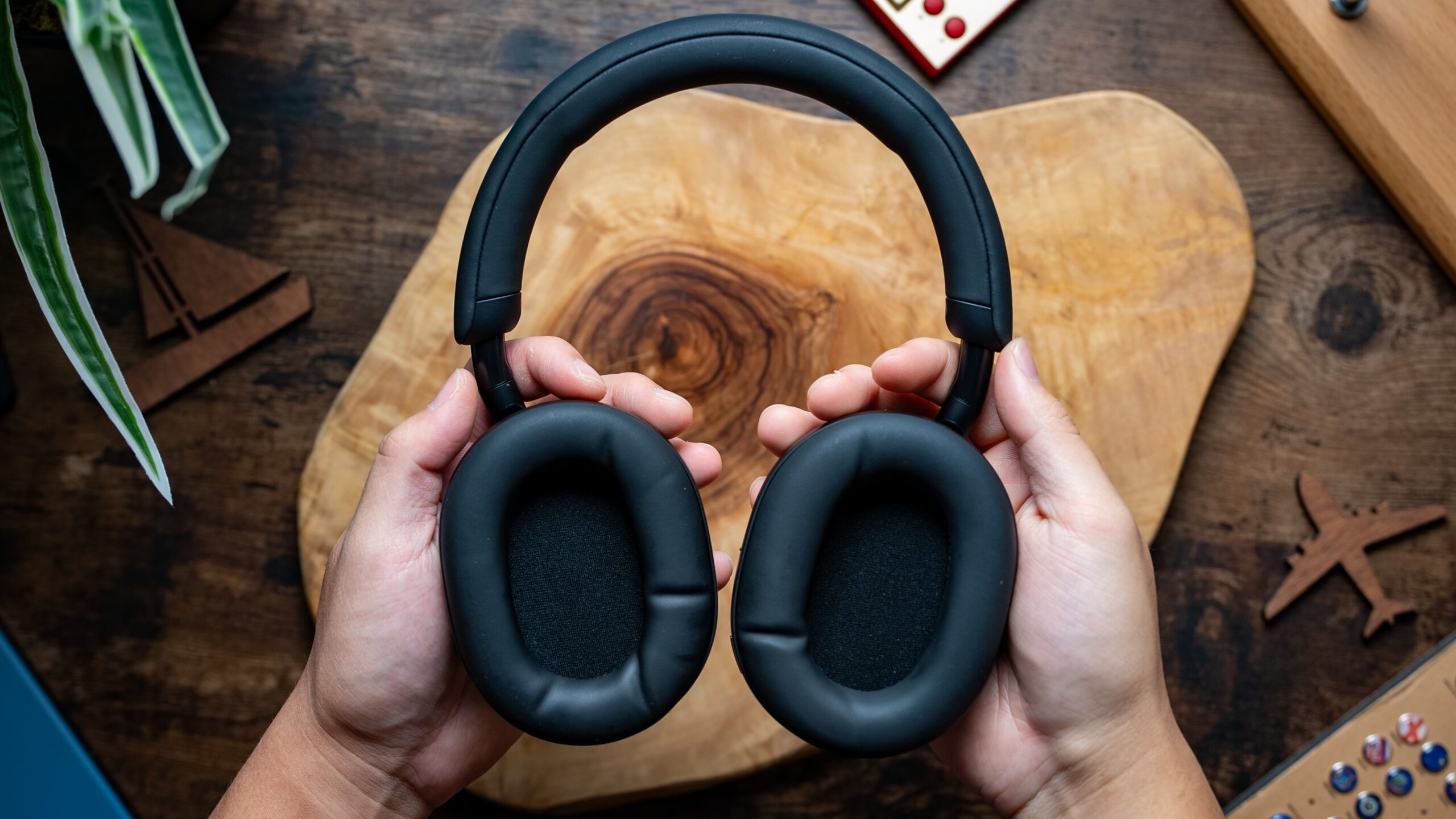
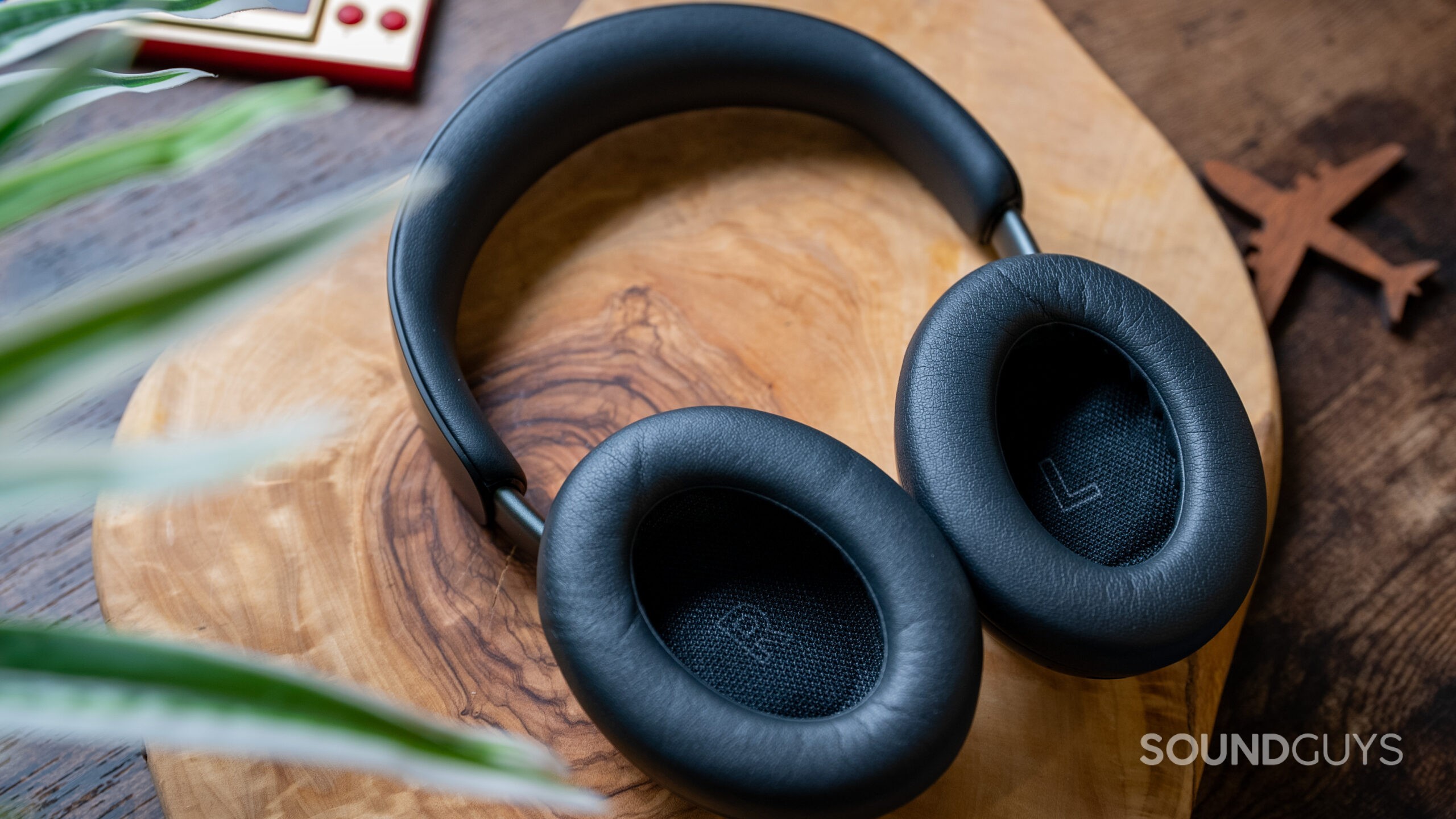



Bass is one of the most divisive aspects of sound. Some people prefer to have headphones and speakers that give their music a little extra power in the low end, while others prefer a less extreme sound. Loving one or the other doesn’t make you any more of a music lover than someone else, but it is crucial to your own personal enjoyment. Sound is a very personal experience, and whether you consider yourself an audiophile or a bass head, we hope this list of the best bass headphones will help you out.
- This article was mostly re-written on November 13, 2025.
- This list was updated on March 31, 2025, to add a new budget pick and update our frequency response measurement charts.
- This list was updated on December 19, 2024, to add context to the Sony WH-XB910N.
If you want a pair of fun headphones and just want to hear that thump from your music, this list of the best bass headphones is for you. We recommend any of these headphones to listeners who don’t care for analytical listening or who have a separate pair of headphones for such a purpose.
If you are a bass head, be sure to check out our list of the best bass earbuds, too!
The short answer:
If you don’t want to read an entire article on the subject, here’s a summary of our picks. Each widget has a link that carries you onto the full review, so you don’t have to take anything we say on faith alone.
The best for most:
The best gaming headset for bass:
The budget pick:
The higher-end pick:
The best open-back headphones for bass:
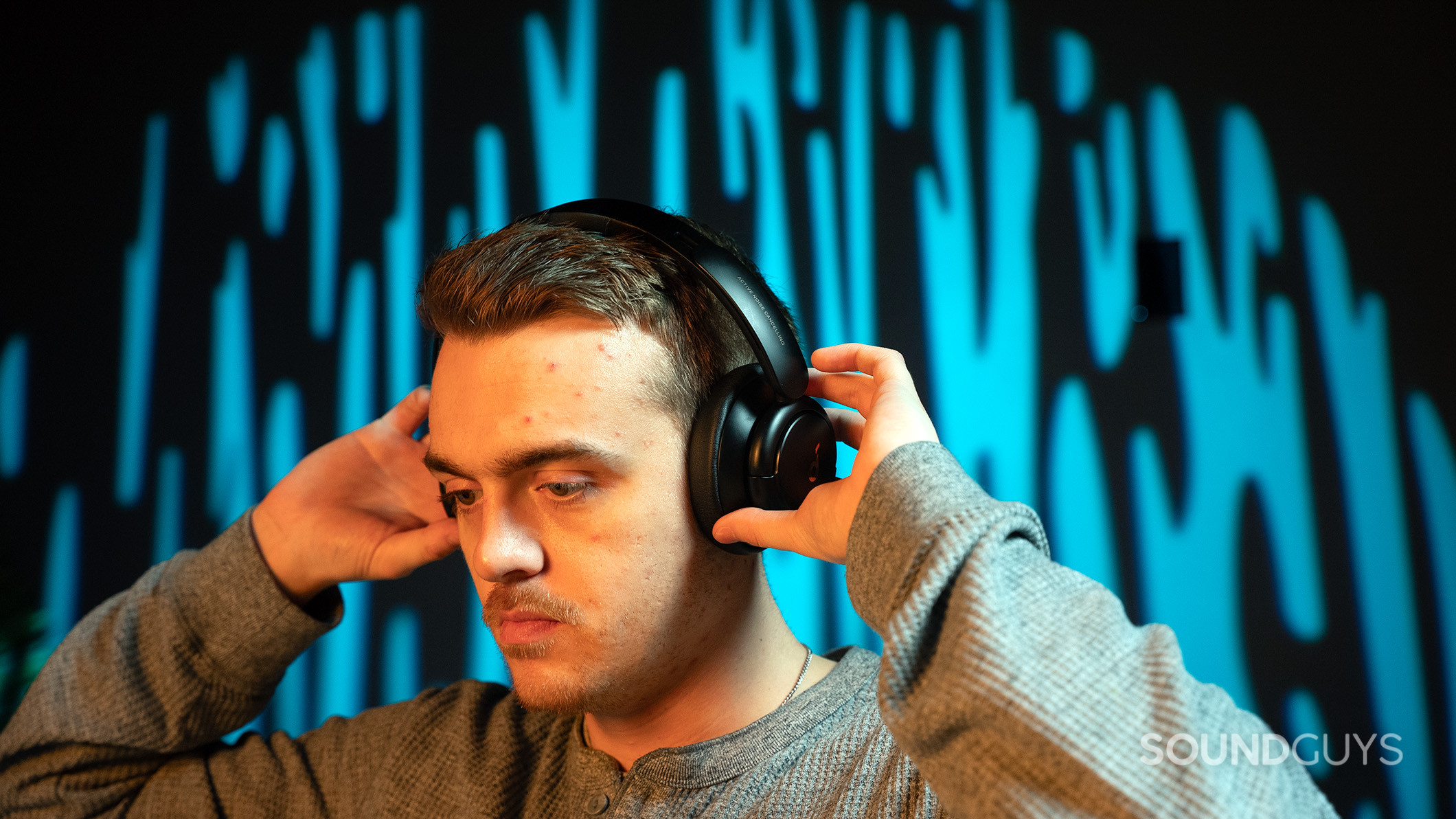
The Sony ULT Wear will rattle your skull

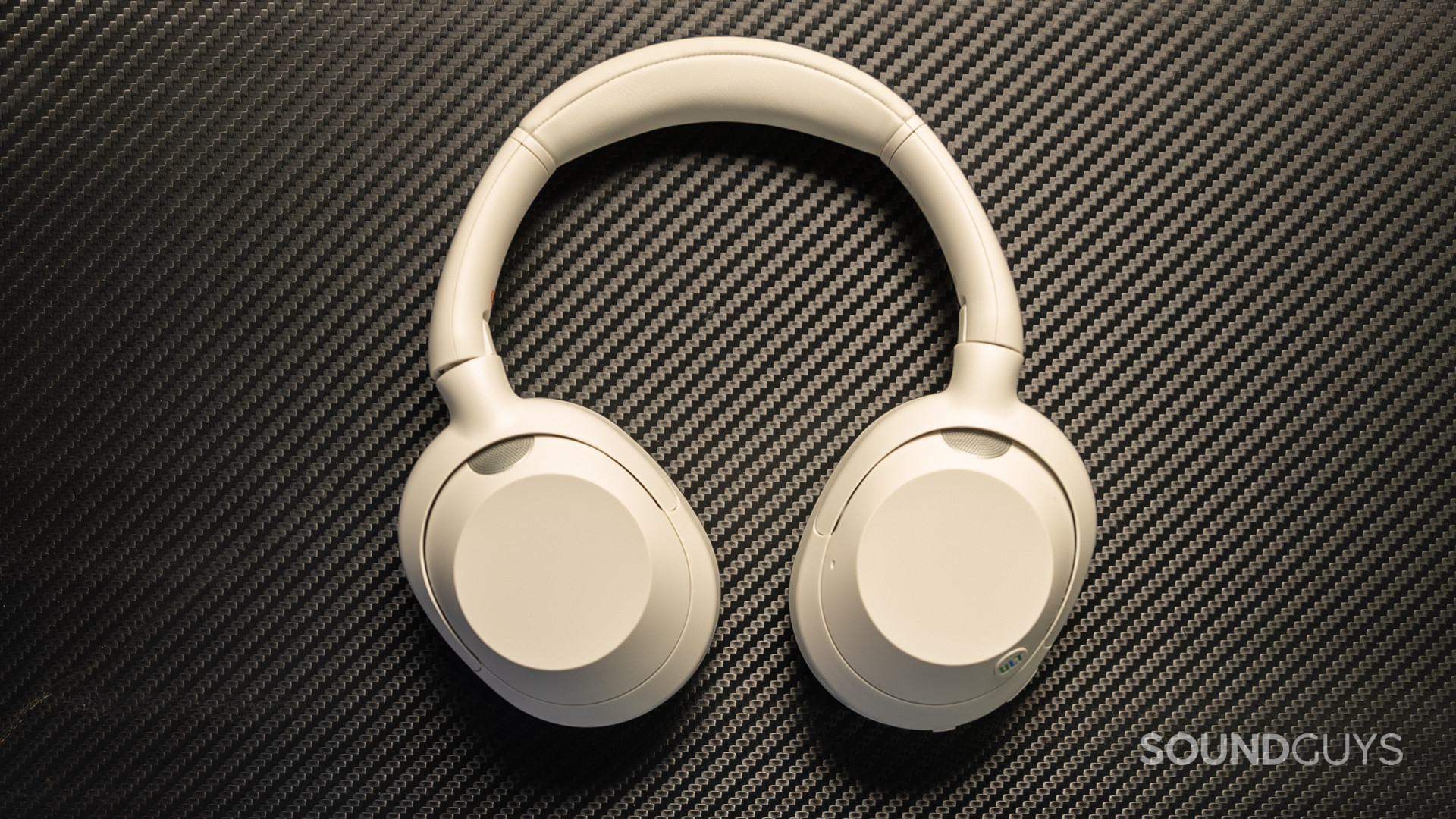
The Sony ULT WEAR headphones deliver overwhelming bass that will appeal exclusively to die-hard bass enthusiasts. Even on the default settings, the bass and sub-bass frequencies are emphasized to a degree that most would consider overpowering. If you want to tone it down a little, you can do so in the Headphones Connect app (thankfully).
But for bassheads, this exaggerated low-end emphasis is likely exactly what they crave. The ULT WEAR takes things even further with dedicated “ULT” bass boost modes. The “ULT 1” setting kicks up everything under 100Hz by around 5dB over the already boosted bass levels, and the “ULT 2” mode takes the sub-bass level off of our charts completely. They provide a comfortable fit with larger 40mm ear cups and a well-padded headband, ideal for long listening sessions. Battery life is excellent, at over 32 hours, and they support multipoint Bluetooth connectivity plus wired and fast charging options. Decent active noise cancelation, intuitive touch controls, and a quick ambient-aware mode round out the feature set.
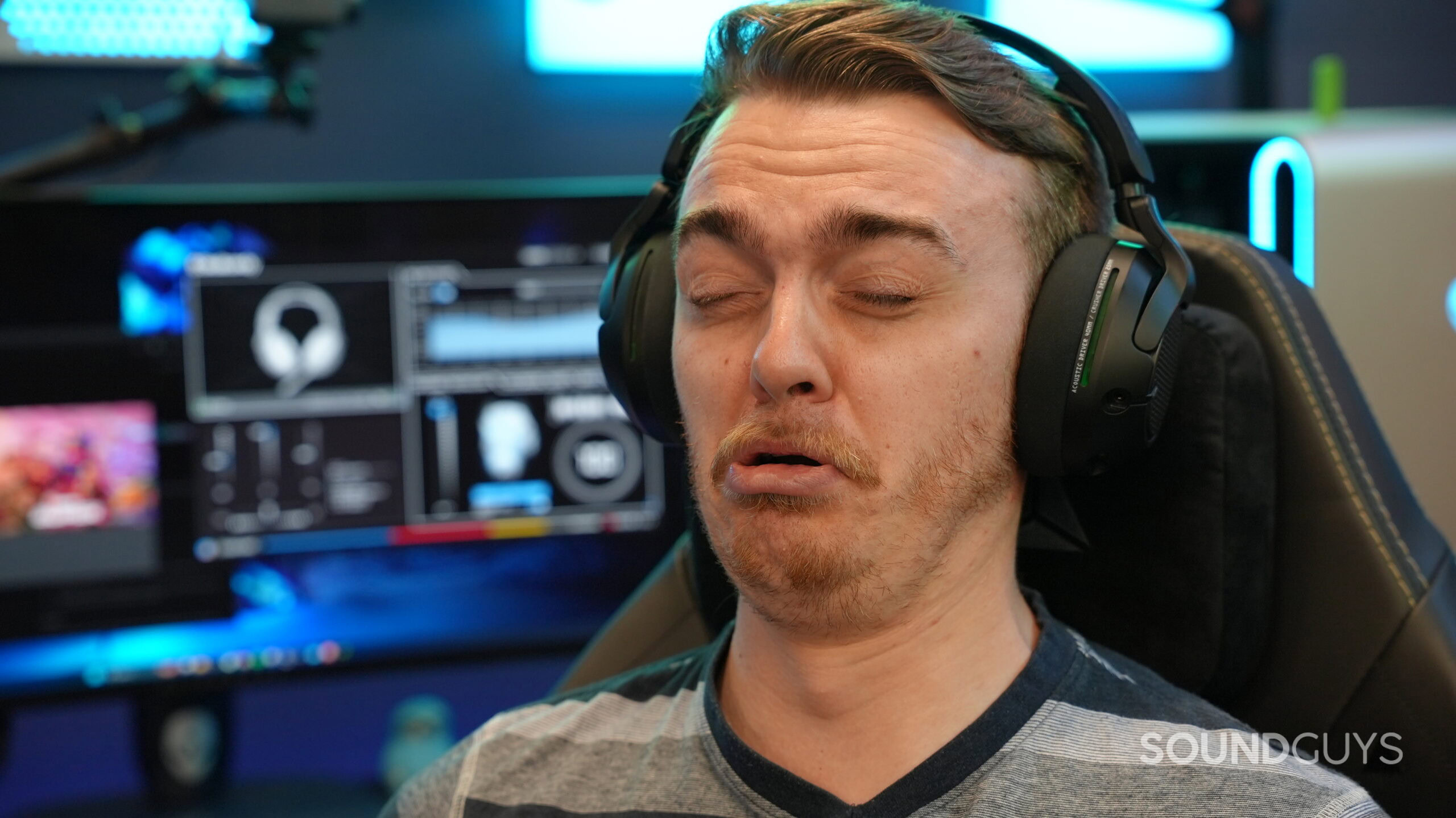
Skullcandy Crusher PLYR 720

As bass lovers are often trying to chase a more tactile dragon than a sonic one, the Skullcandy Crusher PLYR 720 has something to offer the right kind of gamer. Though the headphones are open-back — and therefore, will sound a bit different to what most bassheads are used to — the headphones have extra drivers that rattle your head when certain sounds are present. This is done to increase the perception of that low end, and is powerful, albeit unconvincing.
Because the headset is an open-backed set, music and in-game sounds should appear more natural-sounding, but there is little to no isolation to speak of. That may not be such a bad thing if you’re not gaming amid a crowd or rowdy household, however.

The Sony WH-CH720N are time-tested

The Sony WH-CH720N may not be a household name, but they’re no less a banger set of headphones because of it. Though the cans aren’t exactly going to make you forget about the WH-1000XM6 or ULT WEAR with its performance, the WH-CH720N offer decent, bassy, sound at a much lower price than the other options on this list.
The headphones come with fair ANC, and Bluetooth 5.2. Those of you who are fans of LDAC will be happy to note that the WH-CH720N support the high-bitrate codec with compatible devices, and you can also use an analog cable for when you don’t want to go wireless. Coming in under $200, these are a solid pick for bargain hunters.
Open-back headphone fans should look at the Focal Hadenys

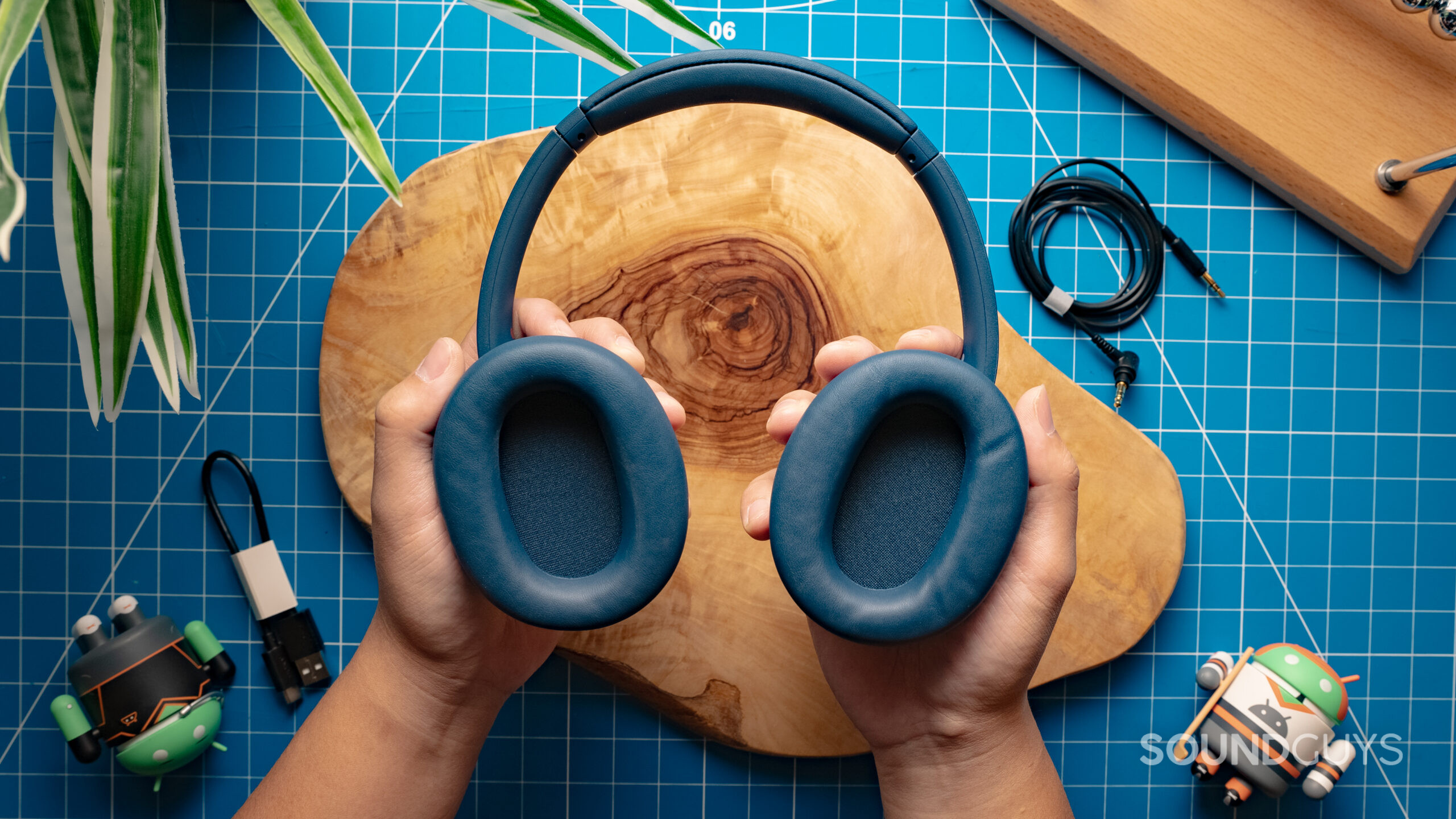
Though quite expensive, those of you who like open-back headphones should take a gander at the Focal Hadenys. Though the Sony MDR-MV1 ($347 at Amazon) is a close competitor, the Hadenys sounds a lot better, and isn’t a tool for professional monitoring. Rather, it’s purpose-built to live at a desk or listening station, and to survive daily life for years at a time.
The Hadenys is a bit on the heavy side, but these open-back headphones have a much more consumer-friendly response. The only hiccup here is that because it’s so hard for open-back headphones to maintain sub-bass response, there’s a bit of a rolloff in the lowest lows. Beyond that, though, most bass-lovers will appreciate the sound, quality, and maintenance options available with these higher-end headphones.

The Bose QuietComfort Ultra (2nd Gen) are feature-forward

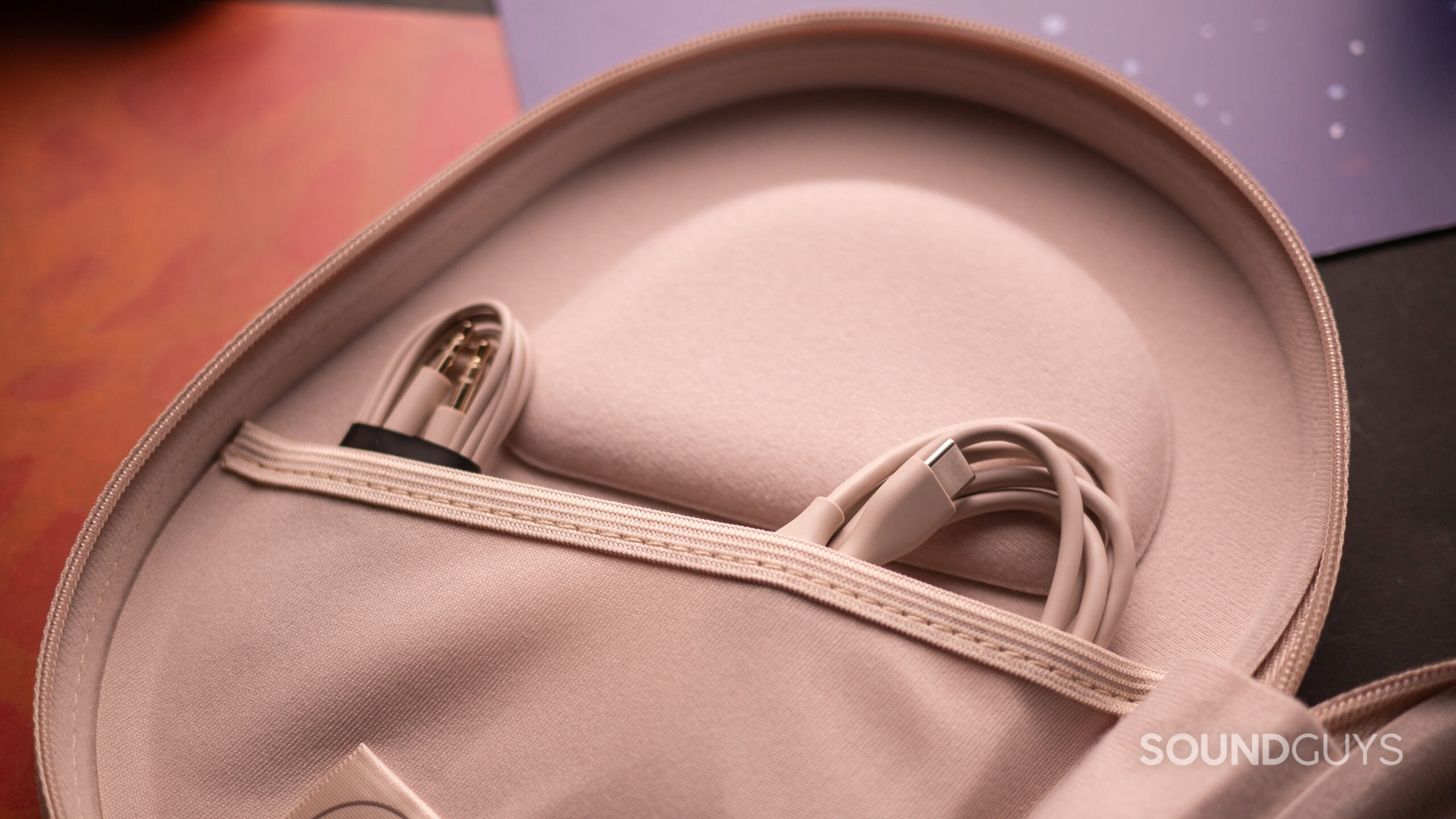
In the realm of bass-heavy headphones, the Bose QuietComfort Ultra (2nd Gen) make a strong case for themselves. These headphones cater to a specific segment of listeners who appreciate a robust low-end response. Still, they also offer the flexibility to tailor sound to individual preferences somewhat via the Bose Music app, including a Bass Boost EQ. These headphones support aptX Lossless and Snapdragon Sound, offering a high-bitrate, wireless listening experience, although this is currently limited to newer Android devices. The CustomTune technology is another notable feature, adapting the headphones’ sound to the listener’s ear anatomy.
The QuietComfort Ultra delivers a lightweight design, weighing just 253g, and soft, glasses-friendly padding for comfortable wear. The battery life is impressive, offering up to 27 hours and 37 minutes of continuous playback, with a fast-charging feature that provides 2.5 hours of listening time after just 15 minutes of charging. While these headphones are a significant investment, their combination of deep, customizable bass, cutting-edge wireless technology, and comfortable design make them a compelling choice for bass lovers looking for top-tier headphones.
The best headphones for bass: Notable mentions

- Anker Soundcore Life Q20 ($59 at Amazon): This is the headset to get if you want barebones, no-nonsense active noise canceling (ANC) on a budget. Sure, the lack of bleeding-edge features and outdated USB port may be a drag, but this headset does very well for the price.
- Audio-Technica ATH-M50xBT2 ($198 at Amazon): If you want a more studio-friendly sound that still boosts bass a tad more than truly “flat” headphones, the ATH-M50xBT2 is a great option. This takes all that we love about the wired M50X and adds Bluetooth capabilities, with a long battery life that makes it more eco-friendly than its other wireless counterparts.
- JLab JBuds Lux ($79.99 at Amazon): As far as inexpensive ANC headphones go, the JLab JBuds Lux ANC are one of the best of 2024. They focus on the fundamentals with a slight bass emphasis.
- Marshall Major IV ($116 at Amazon.): These on-ear headphones are lightweight, comfortable, and feature a unique toggle control. They also have more bass than our ideal, but not an egregious amount. As on-ears go, they feel comfortable but don’t have a ton of luxuries.
- Skull Candy Crusher Evo ($150 at Amazon): The Skullcandy Crusher Evo series provides great sound and all the bass you could want with a dedicated bass slider. It also makes for a great pair of travel-friendly headphones and can compact in seconds, making it easy to toss it into a bag.
How we tested the best headphones for bass

In order to determine which headphones were solid picks for bass lovers, we first tested every set of headphones we could get our hands on in our labs. We used the Bruel & Kjaer 5128 test head to make our measurements, while level-matching and troubleshooting to ensure that all of our results are compatible. Then we compared the results we’ve recorded over the years:
- Frequency response: each of our picks had to emphasize bass.
- Distortion: our picks should not have displeasing distortion.
For secondary concerns, we also looked at headphones with unique or desireable features, such as:
- Custom toggles for the addition of bass.
- ANC.
- Fit / comfort.
The best models we selected made it onto this list.
Why you should trust SoundGuys
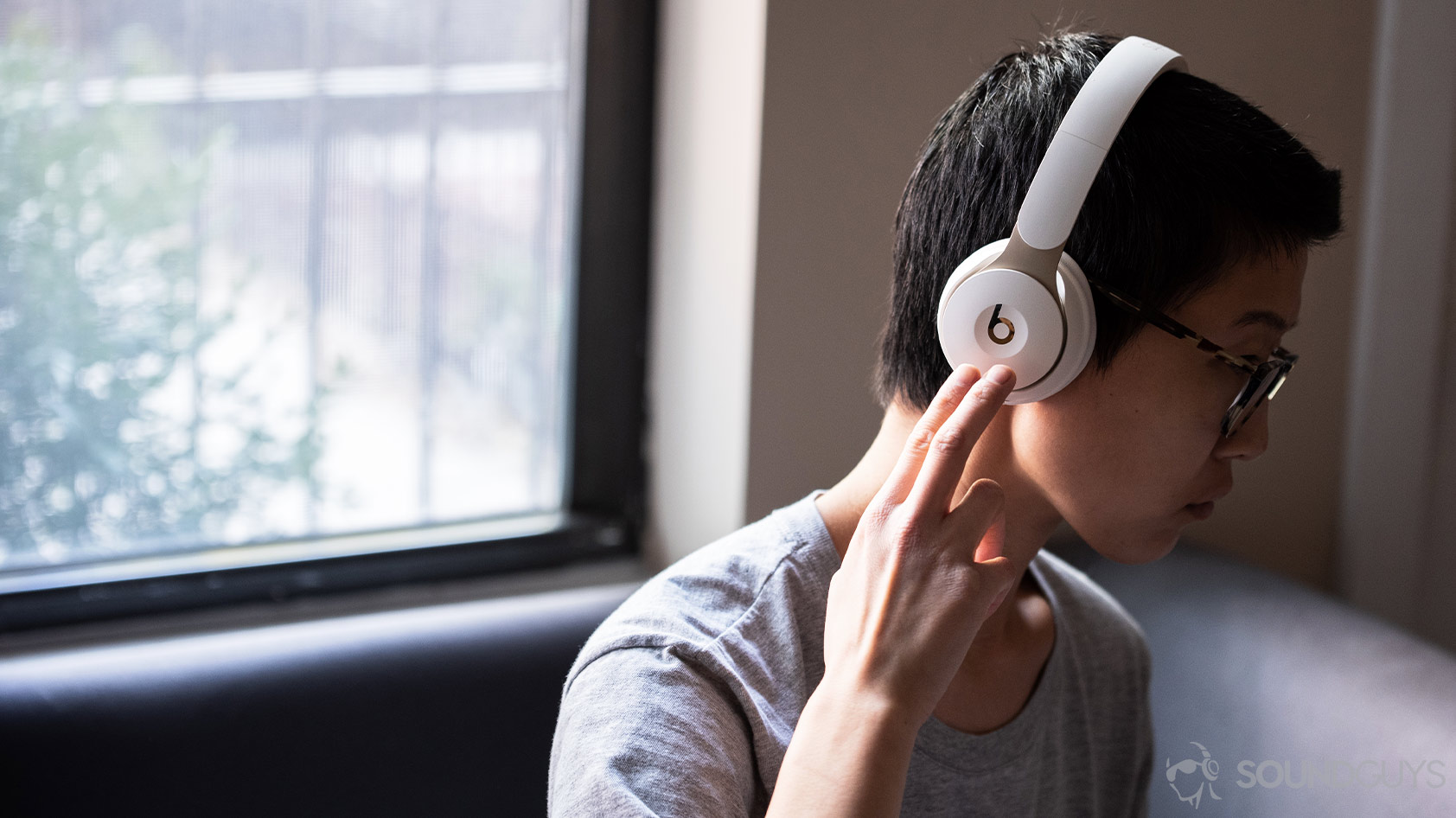
The team at SoundGuys is deeply invested in finding the best audio products on the market and trying to share our passion with the internet. Whether that means interviewing experts on hearing loss or reviewing a bunch of waterproof speakers, we do whatever it takes to get to the truth and inform our readers.
Our team consists of writers with years of experience in radio, product reviews, product testing in the lab, studio production, and, of course, journalism. And if you’re ever worried that we’re being paid to put in a favorable review, don’t worry. Our writers get paid based on output alone (aka how much hard work they put in). Our pay isn’t based on which products get a good review and which don’t.
Frequently asked questions about the best headphones for bass
The Apple AirPods Max was not designed with bass heads in mind. They boost bass a bit, but the bass reproduction is still fairly tame relative to our top picks. There isn’t a way to create a universal custom EQ for the AirPods Max, so that also boots it out of the running for the best headphones for bass.
Depending on what operating system you are using to listen to your music, you will likely need to go into the sound settings on your device.
On an iPhone, for example, under Settings > Music > Playback > EQ, you can select a “Bass Booster.”
Some operating systems allow for personalized equalizer settings, but a preset bass booster is an option on almost all. Additionally, depending on which streaming service you use, you will be offered a varying amount of freedom in changing your equalizing settings within that application. For example, Spotify Premium allows for very personalized EQ settings.
Open-back and closed-back refer to the physical build of a set of headphones. Open backs do not block out room noise nearly as much as closed backs, but open backs deliver a purer sound because there are fewer echoes produced by the sound rebounding off of the headphone walls.
When it comes to choosing between the two types for a bass boost, you’ll want to go with closed-back because the enclosed space amplifies bass tones. However, it can also create tiny echoes or have slower response times because of the high pressure in the chamber behind the drivers. Open-back headphones have a harder time emphasizing bass, but what bass tones they emphasize are almost always more accurate because there’s no force against the driver from the backside.
Regardless of which you choose, there’s always the option to EQ your headphones to boost the bass from the sound source.
Yes, bass-boosted headphones are great for those who enjoy a thumping and powerful low-end in their music. Sound is a personal experience, and whether you’re an audiophile or a bass head, there are headphones tailored to your preference. However, it’s essential to choose headphones that balance the bass boost without overshadowing other frequencies for a listening experience you won’t get tired of.
Absolutely! The Skullcandy Crusher ANC 2, for instance, offers a dedicated Crusher mode that can significantly amplify the bass (but don’t worry, they won’t literally crush your skull). The headphones come with a dial that allows users to adjust the bass intensity, making it a delightful choice for bass enthusiasts.
Thank you for being part of our community. Read our Comment Policy before posting.