All products featured are independently chosen by us. However, SoundGuys may receive a commission on orders placed through its retail links. See our ethics statement.
I’ve reviewed everything from Sony’s latest flagship to the best $79 earbuds I’ve ever heard, and our team has put over 300 pairs of wireless earbuds through the same lab tests. Every pick below is backed by measurements from our B&K 5128 test head and at least a week of daily wear. Whether you want the best noise canceling, earbuds made for your phone, or something that won’t break the bank, these are the ones I’d buy.
Already own something?
Anything we have measured, not just the picks. It becomes a second curve on every chart here. Sign-in needed to publish.
Comparing needs no sign-up
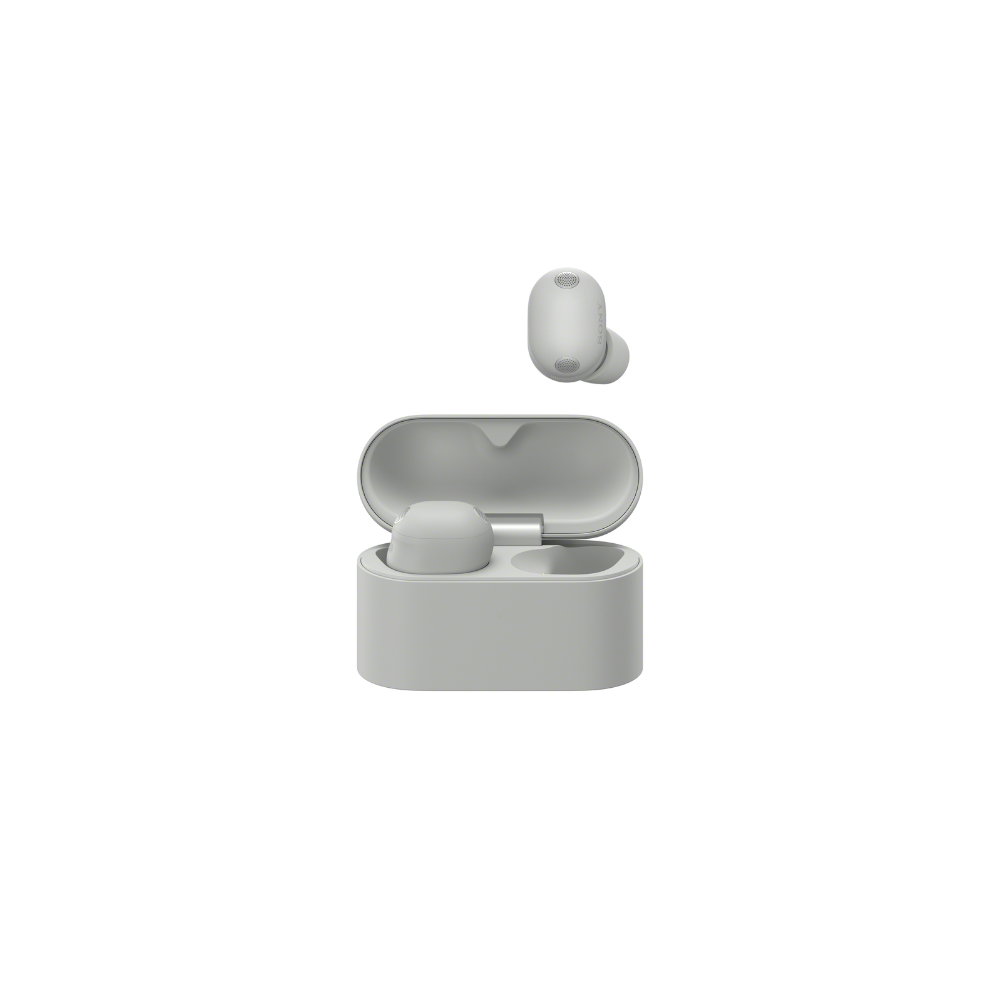
Sony WF-1000XM6: The best wireless earbuds overall
The Sony WF-1000XM6 have excellent active noise cancelation, great sound quality, and outstanding microphone performance thanks to AI-powered beamforming. The redesigned fit is comfortable and secure, though the larger size may not suit smaller ears. With 9+ hours of battery life, LDAC support for high-resolution audio on Android, IPX4 water resistance, and comprehensive app features including a 10-band EQ, these deliver flagship performance across the board.
DdxdiaagSigned-in owner. This member signed in to publish, so their reviews count for points and show on their profile.Owner · Under a month↻ Would buy again
✓Better than expected: Noise cancelling in the real world
✕Worse than expected: Battery in real life
✓Better than expected: Mic on calls
Did this help you decide?1 of 2 found this helpful
The Sony WF-1000XM6 are the most complete pair of wireless earbuds you can buy right now. When I reviewed them, they cut outside noise by 88% on average, earned a 4.8 out of 5 MDAQS sound quality score, and delivered the best microphone performance of any Sony earbuds yet, thanks to eight mics and AI-powered beamforming.
Sony also fixed the fit. The redesigned oval shape tucks into the natural contours of your ear, so it’s hard to break the seal even when you put them in in a hurry. Battery life hit 9 hours and 41 minutes in our testing, and you get LDAC on Android, multipoint, and a 10-band EQ.
The Sony Sound Connect app is where these earbuds pull ahead. Adaptive Sound Control switches between noise canceling and ambient sound based on what you’re doing, Background Music mode carries over from the WH-1000XM6 headphones as one of my favorite additions, and Spatial Sound Optimization with head tracking adds real immersion to movies and games on Android. Quick Charge got me about 45 minutes of listening with ANC on from just three minutes in the case.
The fit is harder to screw up, and the sound is Sony's best yet.
They aren’t perfect. The earbuds are chunkier than the XM5, so people with smaller ears may struggle, and without ear wings they can feel a little top-heavy during intense workouts. Sony also stuck with Bluetooth 5.3 rather than Bluetooth 6. At $329.99, XM5 owners can probably wait for a sale, but if you’re on the XM4 or older, or switching from another brand, these are the easiest recommendation I can make.
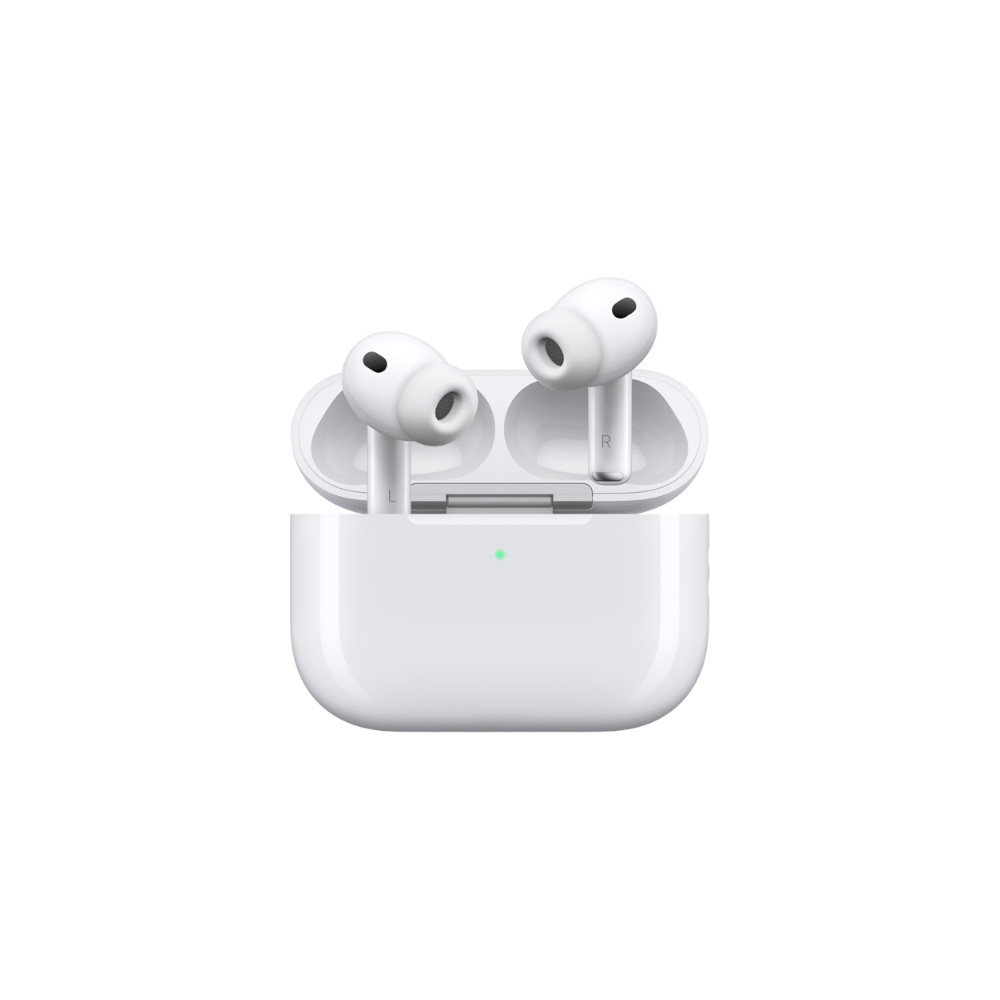
Apple AirPods Pro 3: The best wireless earbuds for iPhone
Excellent ANC • Live Translation • Heart rate sensor
MSRP: $249.00
Adaptive audio and enhanced ANC.
The Apple AirPods Pro 3 are a solid update to the Apple wireless earbuds lineup. Improved ANC, IP57 ratings, plus heart rate sensor and fitness tracking built in. There's even a hearing aid mode, and improved spatial audio.
SHSenya HoSigned-in owner. This member signed in to publish, so their reviews count for points and show on their profile.Owner · Under a month↻ Would buy again
If you have an iPhone, the AirPods Pro 3 are the earbuds to get. In our review, they posted the best noise canceling we’ve ever measured at 90% average reduction, and they lasted 8 hours and 42 minutes on a charge, nearly three hours longer than the AirPods Pro 2. Heart rate tracking, clinical-grade hearing aid features, and Live Translation round out a feature set no other earbuds match on iPhone.
The catch is that almost all of those features are locked to Apple devices. On Android, you get basic playback and can’t even update the firmware. The sound also shifts with your volume because of Apple’s loudness-dependent EQ, so bass and treble get more extreme the quieter you listen. Apple added a three-band custom EQ with iOS 27, which helps, though it’s far more limited than the 8- and 10-band EQs on our other picks.
The best noise canceling we've ever measured in a pair of earbuds.
The new foam-infused ear tips held more securely than the AirPods Pro 2 in Harley’s testing, but they can work loose as sweat builds up. Try all five tip sizes and Apple’s fit test in Settings to get the best seal. With an IP57 rating, they’ll handle sweaty workouts and rain without issue.
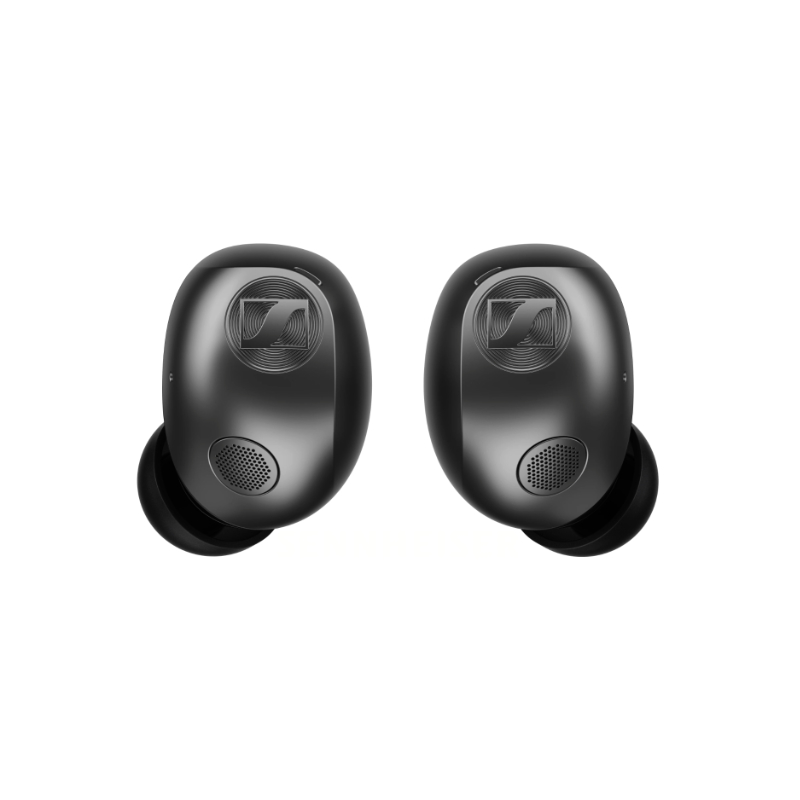
Sennheiser MOMENTUM True Wireless 5: The best wireless earbuds for Android
MSMayank SinghSigned-in owner. This member signed in to publish, so their reviews count for points and show on their profile.Owner · Under a month↻ Wouldn’t buy again
Most earbuds end up in a drawer once their tiny batteries wear out, but the MOMENTUM True Wireless 5 are the first flagship earbuds from a major brand with user-replaceable batteries in both the buds and the case. In our testing, their noise canceling beat 90% of the wireless earbuds we’ve measured, and Android users get aptX Lossless, multipoint, and a full parametric EQ with presets you can share.
I’ve argued these make most earbuds look like e-waste, and the battery swap is the reason. It takes a small tool, and replacement cells are proprietary, so you’ll need to buy them from Sennheiser, but it’s far cheaper than a new pair. The mics also do a good job of filtering background noise on calls, and the IP54 rating covers dust and sweat.
No other flagship earbuds give you a realistic way to keep them running for years.
Battery life is the weak spot: 6 hours and 17 minutes with ANC on is below average at this price. The highs can sound a little odd out of the box, so spend a few minutes with the EQ, and there’s no LDAC codec or stabilizer fins for comfort. Still, at $299.95, no other flagship earbuds give you a realistic way to keep them running for years.
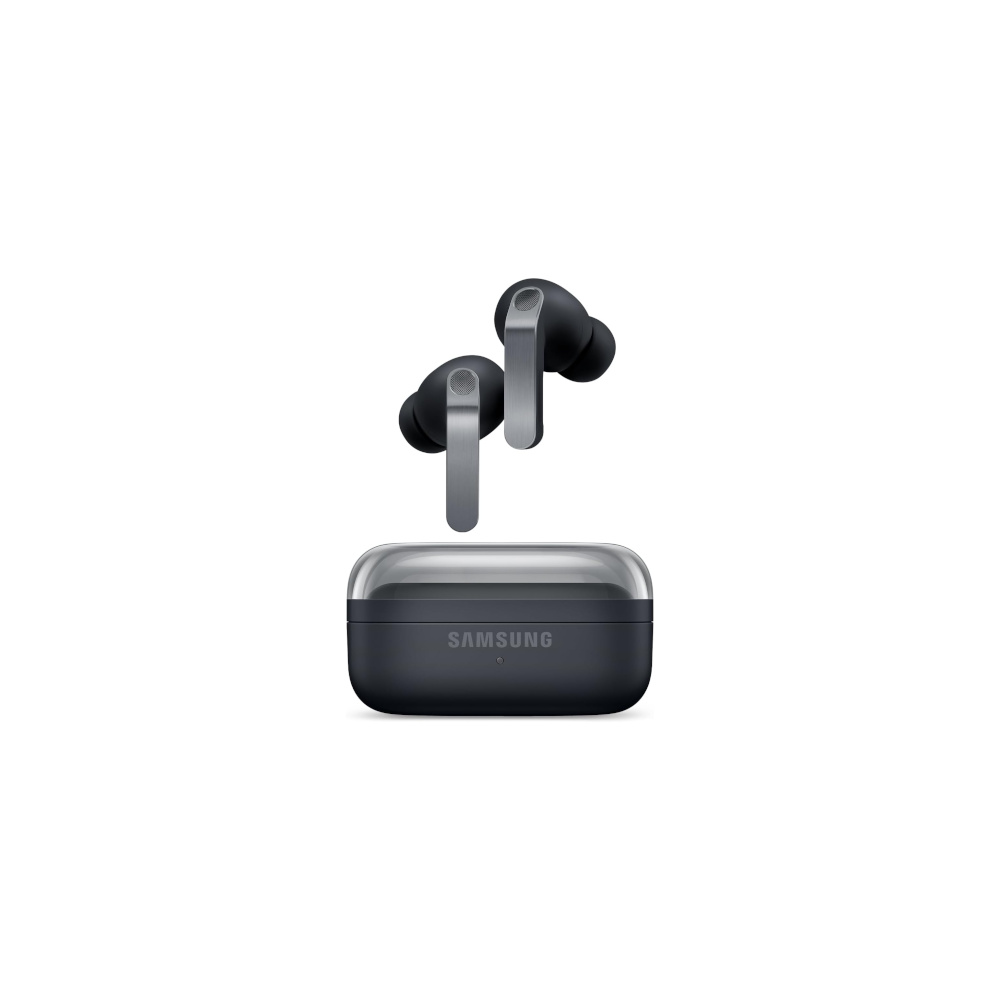
Samsung Galaxy Buds4 Pro: The best wireless earbuds for Samsung phones
✓Better than expected: Noise cancelling in the real world
✓Better than expected: Buds and case after months
Did this help you decide?Be the first to say
I’ve worn the Galaxy Buds4 Pro nearly every day since they launched, and for Samsung phone owners they’re the easiest pick on this list. They cut outside noise by 84% on average, scored 4.8 out of 5 on MDAQS, carry an IP57 rating, and unlock Samsung-only extras like Ultra High-Quality audio, ultra-wideband call mics, head gestures, and seamless switching between Galaxy devices.
The stock tuning leans dark and bass-heavy, so try the Clear EQ preset first. Battery life came in at 6 hours in our testing, which is below average at this price, and there’s no aptX Lossless, even on Galaxy phones that could support it.
For Samsung phone owners, they're an easy upgrade over any Galaxy Buds before them.
The bigger caveat is the ecosystem. Without true multipoint or a Samsung phone, you lose most of what makes these worth $249.99. But if you’re on a recent Galaxy, they’re an easy upgrade over any Buds before them. Six months in, they’re still the earbuds I reach for.
JBL Tour Pro 3: The best-sounding wireless earbuds
Great sound quality • Hi-res audio • Amazing case features
MSRP: $299.95
A case for intelligent audio
JBL's next level Tour Pro 3 wireless earbuds rock your tunes with Hi-res audio codecs and dual-driver sound, but the winner here is the Smart Charging Case. Equipped with a color display, the case can control your music, and act as a transmitter to wired connected audio sources.
If sound quality comes first, the JBL Tour Pro 3 are the earbuds to get. In our review, they earned a 4.9 out of 5 MDAQS score with the Studio EQ preset, one of the best results we’ve recorded, and they still scored highly on the stricter headphones-only version of the test. You also get LDAC, a 10-band EQ, multipoint, and 8 hours and 17 minutes of battery life with ANC on.
The Smart Charging Case is what really sets them apart. Its touchscreen handles ANC, EQ, and other settings without your phone, and it doubles as a transmitter: plug it into a laptop, TV, or airplane seat over USB-C or 3.5mm, and it streams straight to the earbuds. It can also share audio with friends over Auracast. ANC cuts outside noise by 83–84% on average, and the mics do an excellent job of filtering out office noise, traffic, and wind.
Great sound, and a case that works with almost any audio source.
The trade-off is size. The earbuds are large and oddly shaped, so you may need to try a few tip sizes for a secure, comfortable fit, and the included foam tips can be uncomfortable. They’re also a little heavy for running. But if you want earbuds that sound great and work with almost any audio source, nothing else on this list is as versatile.
Christian Thomas / SoundGuys
The Smart Charging Case can handle most of the app’s functions from the case itself, using a touchscreen.
Better sound quality, personalized audio, and extended battery life at a budget price.
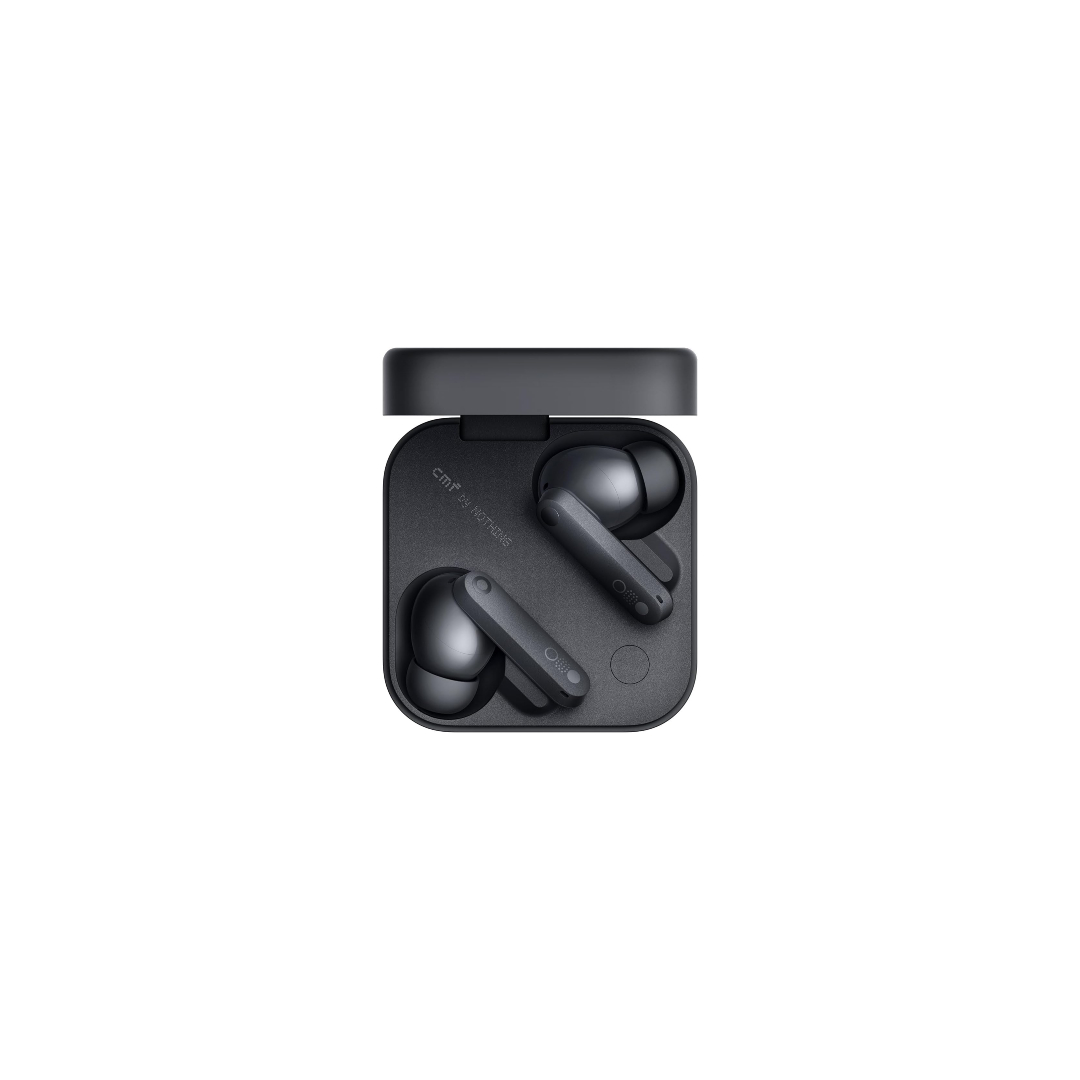
The CMF Buds 2 Plus delivers impressive audio performance with personalized sound profiles, adaptive noise cancelation, and exceptional battery life in a refined, comfortable design.
AAshikSigned-in owner. This member signed in to publish, so their reviews count for points and show on their profile.Owner · Under a month↻ Would buy again
ZOzesty_osprey_65Signed-in owner. This member signed in to publish, so their reviews count for points and show on their profile.Owner · 6–12 months↻ Would buy again
✓Better than expected: Noise cancelling in the real world
✕Worse than expected: Mic on calls
✕Worse than expected: Buds and case after months
Did this help you decide?1 of 1 found this helpful
The CMF Buds 2 Plus are the best budget earbuds I’ve tested. At $79, they earned the same 4.8 out of 5 MDAQS sound score as the Sony WF-1000XM6, cut outside noise by 83% on average, and lasted over 10 hours on a charge in our testing. You even get LDAC, which is rare for earbuds under $100.
They’re compact and light enough that I wore them for hours without discomfort, and the Nothing X app adds personalized sound profiles and an EQ for fine-tuning. The case extends total listening time to around 60 hours.
Sound and noise canceling that compete with earbuds costing twice as much.
My one real complaint is the missing Smart Dial. The tactile case control that made the CMF Buds Pro 2 so fun has been replaced with a decorative accent that does nothing. If you’re not coming from the older model, you won’t miss it, and you’re getting sound and ANC that compete with earbuds costing twice as much.
ROrusset_otter_52Signed-in owner. This member signed in to publish, so their reviews count for points and show on their profile.Owner · 1–6 months↻ Would buy again
✕Worse than expected: Noise cancelling in the real world
Did this help you decide?Be the first to say
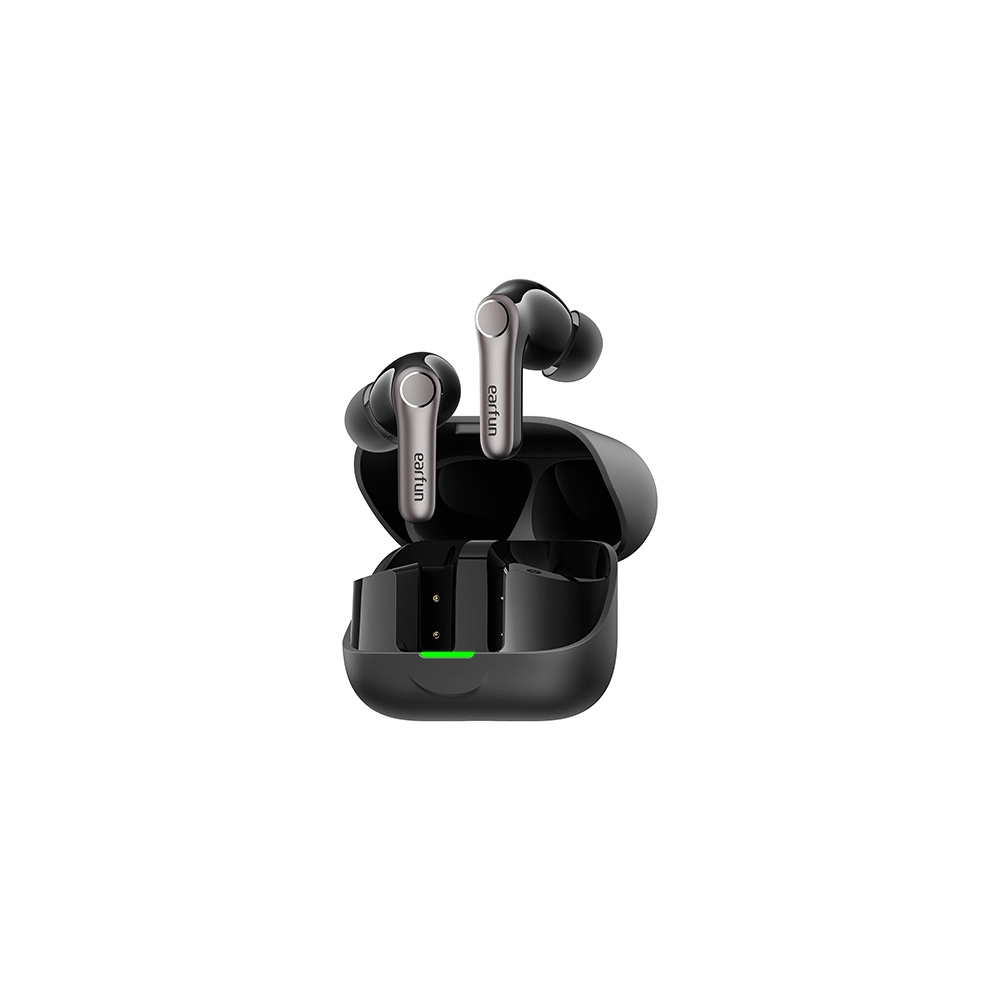
EarFun Air Pro 4+: If you want the most features under $100, these are hard to beat. The default tuning tracks closely to our preference curve, and you get Bluetooth 6.0, aptX Lossless, LDAC, Auracast, a 10-band EQ, and multipoint. ANC is solid rather than class-leading at 80% average reduction, and battery hit 6 hours and 17 minutes with ANC on.
Good noise canceling • Heart-rate monitor • H2 chip • Secure fit
MSRP: $249.99
Advanced sports earbuds with heart rate monitoring.
The Powerbeats Pro 2 are premium wireless earbuds tailored for athletes, offering features like heart rate monitoring, active noise cancellation, and a secure, comfortable fit. With up to 45 hours of total battery life and a 33% smaller wireless charging case, they are designed to enhance your workout experience.
Beats Powerbeats Pro 2: The pick for workouts. Ear hooks keep them locked in place, a built-in heart rate sensor tracks your training, and ANC cuts outside noise by 83% on average. There’s no multipoint, and the sound changes noticeably with ANC off.
Hhackneyedlisten87Signed-in owner. This member signed in to publish, so their reviews count for points and show on their profile.Owner · 1–6 months↻ Would buy again
Did this help you decide?1 of 1 found this helpful
Anker Soundcore Liberty 4 Pro: A flagship-level spec sheet for much less, with LDAC, multipoint, an 8-band EQ, HearID sound personalization, and a case with a built-in display. Its 4.8 out of 5 MDAQS score means most people will enjoy how they sound. Battery life of 5 hours and 42 minutes with ANC is the main trade-off.
The Bose QuietComfort Ultra Earbuds (2nd Gen.) may be a boring update, but adding minor upgrades and keeping the same sticker price could be a good strategy for Bose's halo earbuds. Though they don't carry any world-beating features, performance is good, the usability is solid, and befitting their price point.
Bose QuietComfort Ultra Earbuds 2: If comfort is your priority, especially with larger ears, the stability bands make these some of the most secure-fitting earbuds we’ve tested, with excellent ANC to match. The sound is bass- and treble-heavy, though, and the limited 3-band EQ can’t fully fix it.
Bowers & Wilkins Pi8: A luxury pick if design matters as much as sound. They earned a 4.9 out of 5 MDAQS score, and the transmitter case streams from any USB-C or 3.5mm source over aptX Adaptive. Battery life is short at 5 hours and 10 minutes, the bass runs heavy, and the case scratches easily for the price.
ANC • 3-way multipoint • LDAC and LC3 • Battery life
MSRP: $299.99
A retro look with modern features.
The Technics EAH-AZ100 delivers outstanding noise canceling, making them ideal for travel and commutes. These earbuds stand out with 3-way multipoint connectivity for seamless device switching, plus an impressive 10 hours and 40 minutes of battery life. The EAH-AZ100 supports LDAC for high-quality audio on Android devices and includes innovative features like AI voice focus mode for managing conversations in noisy environments. The compact, pocketable case includes wireless charging for added convenience.
Technics EAH-AZ100: Our former Android pick is still great if battery life matters most. They lasted 10 hours and 40 minutes in our testing, and 3-way multipoint keeps you connected to three devices at once. The stock tuning leans bassy, but the in-app EQ fixes that.
Gemini enabled • Improved size and shape • Tuned performance
MSRP: $229.00
Wingtips and better battery life
With an extreme focus on their size and shape, Google's next-gen earbuds are smaller, lighter, and better shaped to fit more ears and stay in them thanks to newly added wingtips. A new Tensor A1 chipset and 11mm driver promise better sound quality, better performance, and longer battery life. The key feature of the Pixel Buds 2 Pro is Gemini support. Gemini Live enables natural conversation with the AI model.
MSMayank SinghSigned-in owner. This member signed in to publish, so their reviews count for points and show on their profile.Owner · 1–2 years↻ Wouldn’t buy again
✕Worse than expected: Noise cancelling in the real world
✓Better than expected: Buds and case after months
Did this help you decide?Be the first to say
HGhumble_glacier_61Signed-in owner. This member signed in to publish, so their reviews count for points and show on their profile.Owner · 1–2 years↻ Would buy again
IMivory_meteor_61Signed-in owner. This member signed in to publish, so their reviews count for points and show on their profile.Owner · 1–6 months↻ Would buy again
Google Pixel Buds Pro 2: The best companion for a Pixel phone, with a slew of useful improvements over the original Pixel Buds Pro. The tuning won’t satisfy bassheads, but the EQ presets cover most preferences.
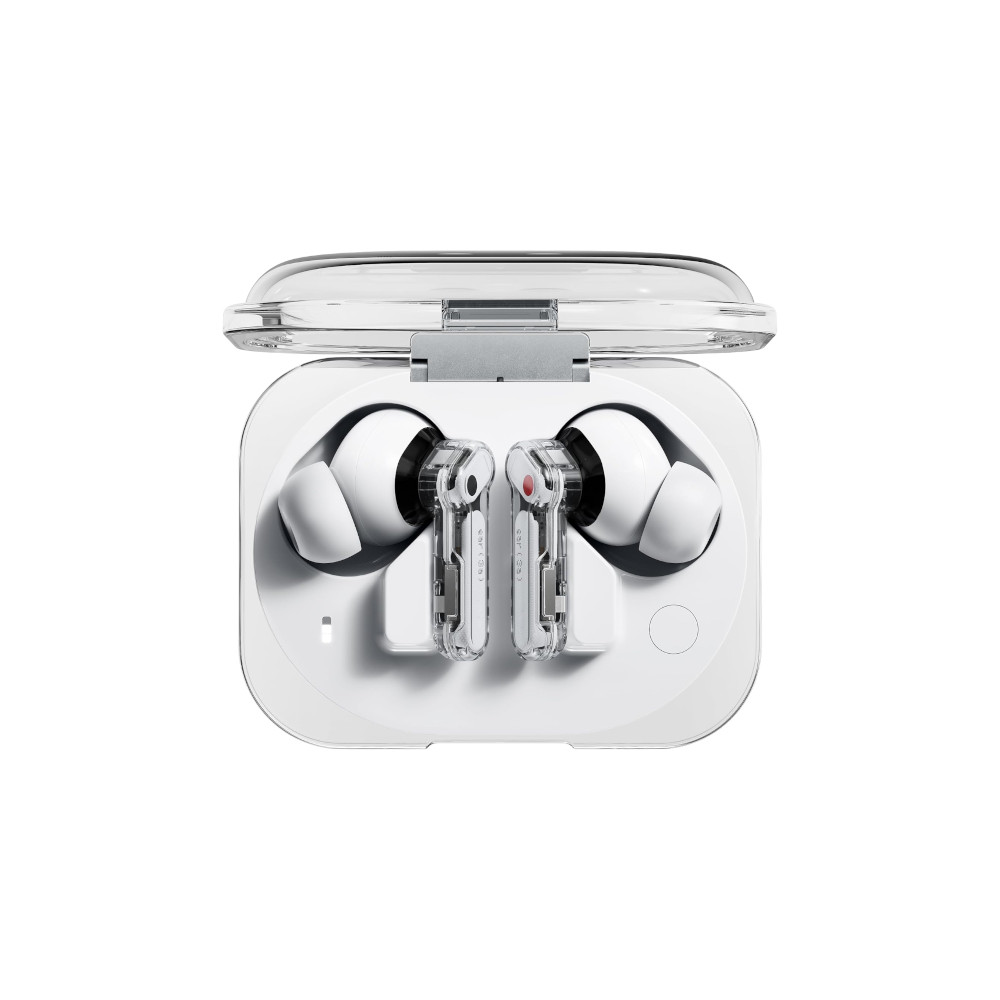
Nothing Ear (3a): These don’t feel like budget earbuds, with LDAC, multipoint, solid ANC, and mics that handle wind better than most at the price. The stock tuning pushes bass hard, but the advanced EQ in the Nothing X app reins it in.
If you're looking for bang-for-buck, it's hard to do better than these earbuds. Though they don't have much in the way of software features, the Moondrop Space Travel offer excellent audio quality and ANC for under $30.
Moondrop Space Travel: For bare-minimum spending, it’s hard to do better. You don’t get much in the way of app features, but sound quality and ANC are excellent for well under $30.
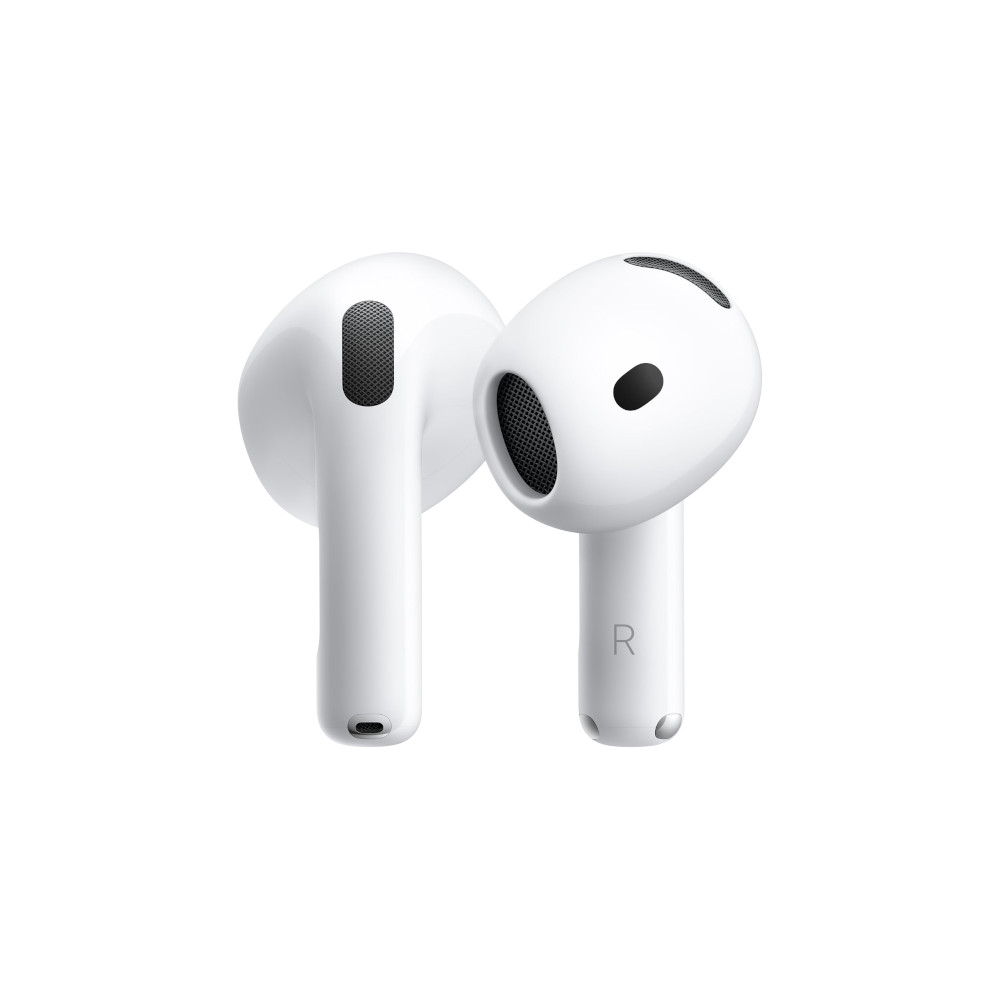
Fit decides almost everything with the AirPods 5. If they sit well in your ears, you're getting the best-sounding, best-ANC open-ear AirPods Apple has made. If they don't, no feature list fixes that, and a sealed alternative will serve you better.
Apple AirPods 5: For iPhone owners who hate ear tips, these bring noise canceling to Apple’s open-fit design. Don’t expect the isolation of the AirPods Pro 3, but they’re far more comfortable for some ears.
What to look for in good wireless earbuds
After years of testing, the biggest lesson is that price is a poor guide to performance. The $79 CMF Buds 2 Plus block outside noise as well as the $249.99 Powerbeats Pro 2, and they earned the same sound quality score as the $329.99 Sony WF-1000XM6.
Spending more doesn't guarantee better sound or noise canceling. Look at the data, not the price tag.
What you get for more money is usually polish: better mics, more reliable connections, premium materials, and features tied to your phone. Here’s what actually matters when you’re comparing earbuds.
Noise canceling: Look for average noise reduction across all frequencies, not a peak dB claim measured at one favorable frequency. The AirPods Pro 3 lead at 90%, but anything above 80% will handle a commute well.
Sound quality: Most earbuds boost bass. A 5–7dB lift sounds full and engaging, while 12–15dB sounds boomy and muddy. Our MDAQS scores predict how a large panel of listeners would rate the sound, and anything above 4.5 out of 5 is a crowd-pleaser.
Battery life: Rated figures are almost always optimistic because manufacturers test at low volume without ANC. We test at 75dB with ANC on, and the gap can be huge: the EarFun Air Pro 4+ are rated for 12 hours but lasted 6 hours and 17 minutes.
Fit: A poor seal hurts ANC, bass, and isolation all at once. Try every ear tip size in the box, consider foam tips, and look for wings or hooks if earbuds tend to fall out.
Phone compatibility: Apple earbuds work best with iPhones and Samsung earbuds unlock extra features on Galaxy phones. Sony, Sennheiser, and Technics work well with any phone.
Bluetooth codecs: iPhone users only need AAC. On Android, LDAC or aptX deliver noticeably better wireless audio than SBC, as long as your phone supports the same codec.
Multipoint: If you switch between a phone and laptop, multipoint keeps both connected at once. Some flagships, like the Powerbeats Pro 2, still skip it.
Microphone quality: If you take a lot of calls, listen to the mic samples in our reviews. We record in five conditions, from a quiet room to wind and street noise.
Water resistance: For the gym or running in the rain, look for at least IPX4. IP57, like on the AirPods Pro 3 and Galaxy Buds4 Pro, adds dust protection and survives a dunk.
Longevity: The battery is usually the first thing to go, often after a few years of daily charging. User-replaceable batteries, like on the Sennheiser MOMENTUM True Wireless 5, can add years to a pair.
Why you should trust us
Harley Maranan / SoundGuys
Test heads are not people, and can present measurement challenges because of that fact.
I’ve spent 5 years at SoundGuys, first reviewing earbuds and now as Managing Editor, where I oversee every earbud review we publish and still test new flagships myself. In that time, our team has put over 300 pairs of wireless earbuds through the same lab tests, and every pick on this list earned its spot through measurements, not marketing claims.
Every pair gets the same tests on the same equipment, whether it costs $25 or $500.
All of our testing happens in our lab in Vancouver. We measure frequency response and noise attenuation on a Brüel & Kjær 5128 head and torso simulator, the same equipment audio engineers and hearing aid makers use to replicate the shape and acoustics of a real human ear. We then compare every result to the SoundGuys Headphone Preference Curve, our target for natural-sounding audio, with a mild bass lift and the boost around 3kHz that our ears expect.
A frequency response chart can’t tell you whether you’ll enjoy what you hear, so we also run every product through HEAD acoustics’ MDAQS model. Trained on ratings from a large panel of listeners, it predicts how people would score timbre, distortion, and immersiveness on a 1–5 scale, giving us a consistent sound quality benchmark across every product.
What do you look for in wireless earbuds?
80 votes
For noise canceling, we measure attenuation with ANC off and on, so you can see how much comes from the fit and how much from the electronics, and we report the average reduction across all frequencies rather than a single favorable peak. Battery life is tested with real music peaking at 75dB and ANC on, not the low volumes manufacturers use, and microphones are recorded in five conditions: ideal, office, street, wind, and a reverberant space.
Lab numbers only tell part of the story, so every pick is also worn day to day for at least a week to judge comfort, connection reliability, controls, and the app. We update this list as new earbuds earn a spot, and you can read more about how we test and our ethics policy.
Frequently asked questions about wireless earbuds
Start with your phone, since it determines which features you’ll actually get. Apple earbuds work best with iPhones, Samsung earbuds unlock extra features on Galaxy phones, and brands like Sony, Sennheiser, and Technics work well with any phone.
Next, think about where you’ll use them most. If you commute or travel, prioritize strong noise canceling. If you’ll wear them at the gym, look for a secure fit (ear hooks or wings help) and water resistance, marked by an IP rating like IP54 or higher. If you take a lot of calls, check our microphone samples in each review.
Then consider fit and comfort. Earbuds that don’t seal well in your ears will sound worse and block less noise, no matter how good they are on paper. Try every ear tip size included in the box before deciding a pair doesn’t work for you.
Finally, set a budget. You don’t need to spend a lot to get great earbuds, as our budget and under $100 picks show.
In our testing, most wireless earbuds last between 5 and 10 hours on a single charge with noise canceling on, and the charging case adds several more full charges on top of that. You’ll usually get more if you turn noise canceling off.
As for how many years they’ll last, the battery is usually what gives out first. After a few years of daily charging, the tiny batteries inside most earbuds wear down to the point where they can’t get through a full day. With most earbuds, that means buying a new pair, but some models now let you replace the batteries yourself. The Sennheiser MOMENTUM True Wireless 5, for example, has swappable batteries in both the earbuds and the charging case.
To help your earbuds last longer, avoid leaving them in extreme heat or cold, and try not to run the battery all the way down to zero.
It depends on whether you mean battery life per charge or how many years they’ll last.
For battery life per charge, the CMF Buds 2 Plus and Technics EAH-AZ100 lasted over 10 hours with noise canceling on in our testing, among the longest of any earbuds we’ve measured.
For long-term use, the Sennheiser MOMENTUM True Wireless 5 are the best option we’ve tested. You can replace the batteries in both the earbuds and the case, so a worn-out battery doesn’t mean replacing the whole product. You’ll need a small screwdriver, and replacement batteries have to be bought from Sennheiser, but it’s still far cheaper than buying new earbuds.
A Bluetooth codec is the format your phone uses to compress and send audio to your earbuds. Your phone and earbuds both need to support the same codec to use it, so check both before buying.
SBC: The basic codec every Bluetooth device supports. It works fine, but offers the lowest quality.
AAC: The codec iPhones use. It sounds great on Apple devices, but performance on Android phones varies.
aptX and aptX Adaptive: Common on Android phones with Qualcomm Snapdragon chips. aptX Adaptive adjusts audio quality on the fly to keep your connection stable.
aptX Lossless: Can send CD-quality audio in good conditions, but only works with a limited number of Android phones, so check your phone’s specs.
LDAC: A high-quality codec supported by most Android phones. It can deliver excellent audio quality, but performance depends on your phone and connection strength.
LC3: The codec behind Bluetooth LE Audio. It delivers good quality using less data, which can help battery life, and supports Auracast, which lets multiple people listen to the same audio stream.
If you have an iPhone, AAC is all you need. If you have an Android phone, look for earbuds that support LDAC or aptX, depending on what your phone supports.
Bluetooth Multipoint lets compatible earbuds stay connected to two devices at once (e.g., phone and laptop) and switch audio sources without manually disconnecting.
It’s convenient for people who juggle work calls and music, but quality can dip when streaming from two sources simultaneously, and not all earbuds or phones support it well.
Most good wireless earbuds sit between $100 and $400, balancing sound quality, ANC, battery life, and durability.
Below $100, you often sacrifice ANC, build quality, or codec support; above $400, you mainly pay for premium materials, top‑tier ANC, or extra features.
For most users, a $150—$250 pair that aligns with your listening style and ecosystem is the sweet spot.
Sometimes, but not always for the reasons you’d expect. In our testing, the CMF Buds 2 Plus earned the same sound quality score as the Sony WF-1000XM6 for a fraction of the price, and they block outside noise as well as the Beats Powerbeats Pro 2.
What you usually get for more money is polish: better mics, more reliable connections, premium materials, deeper phone integration, and features like heart rate tracking. Some expensive earbuds even fall behind in key areas. The Bowers & Wilkins Pi8, one of our honorable mentions, earned one of the highest sound quality scores we’ve measured, but its battery lasted just over 5 hours, about half as long as the CMF Buds 2 Plus.
Wireless earbuds use Bluetooth technology to connect to your devices, so they are not “better than Bluetooth”—they rely on it.
Compared with wired earbuds, wireless models trade a bit of consistency and battery‑free use for convenience and mobility. Modern wireless earbuds can match or approach the sound quality of wired headphones, but they require charging and may introduce slight latency.
AirPods are wireless earbuds, so the real question is whether Apple’s earbuds are the right fit for you or whether another brand makes more sense. The answer mostly comes down to which phone you use.
If you have an iPhone, AirPods are hard to beat. The AirPods Pro 3 have the best noise canceling we’ve ever measured, pair instantly with your iPhone, and switch automatically between your Apple devices. They also offer extras like heart rate tracking, a hearing aid feature, and Live Translation that other earbuds can’t match on iPhone.
If you use Android, AirPods lose most of what makes them special. You get basic playback and little else. Earbuds like the Sennheiser MOMENTUM True Wireless 5 or Sony WF-1000XM6 work well with any phone, support higher-quality Bluetooth formats that Android phones can use, and let you fine-tune the sound in a companion app. Many other brands also offer similar performance for less money, so it’s worth comparing before defaulting to AirPods.
November 3, 2026: We moved to a new format with six main picks. We added the JBL Tour Pro 3 as our pick for best sound quality and moved the Beats Powerbeats Pro 2, Bowers & Wilkins Pi8, EarFun Air Pro 4+, and Anker Soundcore Liberty 4 Pro to honorable mentions, which we trimmed to our 10 strongest alternatives. We updated the AirPods Pro 3 section now that iOS 27’s custom EQ is available, added a new What to look for section, and refreshed the FAQ.
September 11, 2026: We replaced the Technics EAH-AZ100 with the Sennheiser MOMENTUM True Wireless 5 as our top pick for Android users, moved the Technics EAH-AZ100 to notable mentions, and added the Nothing Ear (3a) to notable mentions. We also updated the AirPods Pro 3 section to reflect the custom EQ arriving with iOS 27, refreshed the FAQ on choosing wireless earbuds, and added new FAQs comparing wireless earbuds vs AirPods and on whether expensive earbuds are worth it.
March 31, 2026: We restructured the page to make the picks easier to scan, consolidating our methodology into a single section and trimming the introduction for clarity. We added new top picks and refreshed our notable mentions. We also updated the FAQ section to focus on key buyer questions.
March 6, 2026: We added the Galaxy Buds 4 Pro as the best earbuds for Samsung users and moved the JBL Tour Pro 3 to the notable mentions.
February 12, 2026: We replaced the Technics EAH-AZ100 with the Sony WF-1000XM6 as our top pick for Android users, moved the Technics EAH-AZ100 to notable mentions, and added price tracking widgets with 365-day pricing history for each top pick.
November 18, 2025: We replaced the Creative Aurvana Ace Mimi with the Creative Aurvana Ace 3 as the top pick for best sound quality on a budget.
November 12, 2025: We updated the featured image and adjusted some text for brevity.
November 3, 2025: We replaced the Sony WF-1000XM5 with the Technics EAH-AZ100 as our top pick for Android users, and added new picks to our notable mentions.
September 24, 2025: We replaced the AirPods Pro 2 with the AirPods Pro 3, removed an obsolete video, and moved the Sony WF-1000XM5 from ‘Best Overall’ to ‘Best for Android’.
















Conversation
Read what readers said or add your take.