All products featured are independently chosen by us. However, SoundGuys may receive a commission on orders placed through its retail links. See our ethics statement.
I tried both Bose QuietComfort headphones, and I'd save the $90
Oct 25, 2026 — 5:00 AM ET


I’ve spent plenty of time with the Bose QuietComfort Ultra Headphones (2nd Gen), and there’s no denying they’re a solid set of cans. But after getting my hands on the regular QuietComfort Headphones (2nd Gen), I gotta say, I’d save myself the $90 every time.
It’s not that the Ultras do anything particularly wrong. In fact, they have some of the best noise canceling we’ve tested. But the more I used the regular QCs, the more I started wondering what I’d actually be missing by skipping the flagship. Turns out, not much.
Which Bose QuietComfort headphones would you buy?
The regular Bose QuietComfort headphones have everything I need
First off, I’m a big fan of physical buttons, and thankfully, Bose hasn’t ditched them on the regular QuietComfort headphones. You still get dedicated volume and playback controls that are easy to find and use without looking. Straightforward, tactile, and reliable. That’s a win for me.
The Ultras, on the other hand, use a touch-sensitive strip for volume adjustments, and I’ve never been a huge fan of it. The issue is that it’s not always the most precise or responsive, especially when you’re trying to make a quick adjustment on the go. Sometimes I just want to turn my music up a notch or two without accidentally cranking the volume, which is too easy to do when you’re on the go. Give me physical buttons every time.
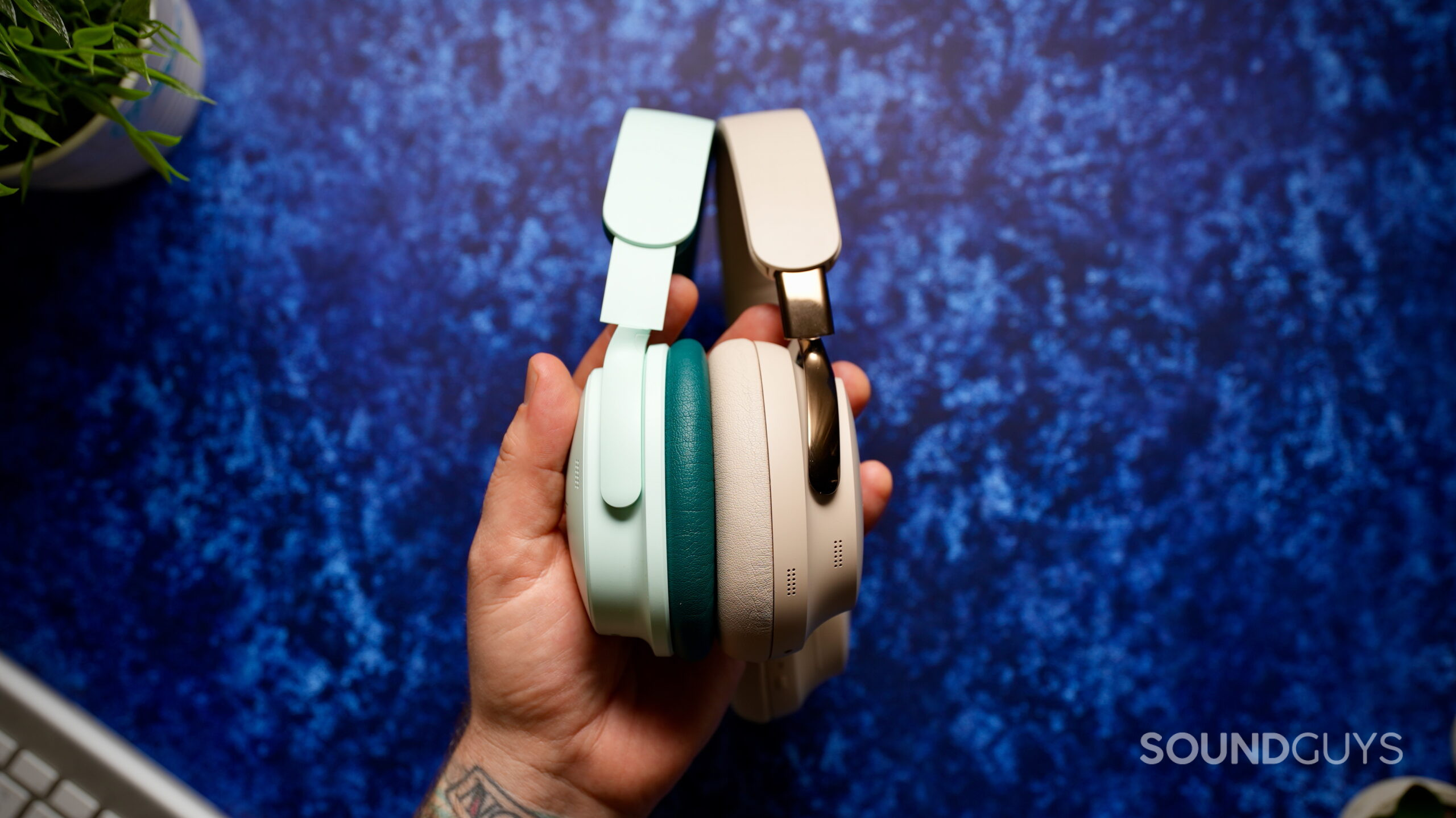
Comfort is another big selling point. At just 230 grams, the regular QCs are actually lighter than the 260-gram Ultras, and their padded headband and earcups make them easy to wear for hours at a time.
But here’s something that matters even more to me: the regular QCs have larger earcup openings. I’ve got pretty big ears, and with the Ultras, I can feel the backs of my ears touching the pads. It’s not a dealbreaker, but it’s noticeable. With the regular QCs, I don’t have that problem, which makes them a better fit for me during longer listening sessions.
Both models fold up into compact travel cases, and sure, the Ultras have a slightly more premium-looking design. But between the physical buttons and the extra room for my ears, I actually prefer wearing and using the regular QCs.
I didn’t even need to touch the EQ

If you’ve seen any of my other reviews, you know I love complaining about Bose’s limited three-band EQ. But here’s the funny thing: after spending a week with the regular QuietComfort headphones, I never even bothered adjusting it.
Straight out of the box, I was happy with their sound. There’s enough bass strength for my taste, and everything from progressive metal to pop sounded natural to me. Punchy kick drums, enough brilliance in the cymbals, and good clarity in vocal performances. And checking out our frequency response measurements, it’s interesting just how similar these two models actually are.
Both models follow a pretty similar frequency response through most of the audible range, particularly in the midrange, where instruments and vocals sit. Both also track fairly closely to our SoundGuys preference curve. The biggest difference is in the lowest frequencies, where the Ultras have roughly 3–4dB more bass strength. There’s also some variation in the treble, but overall, these headphones have a lot more in common than their price tags might suggest.
Now, if you prefer more bass strength, the Ultras might be more to your liking right out of the box. But remember, both models offer the same basic three-band EQ in Bose’s app, so you can always adjust the bass strength to your preference. And that’s really my point. Paying more doesn’t automatically get you sound you’ll enjoy more. Personally, I was perfectly happy with the regular QCs without changing a thing.
The Ultras’ extras I can live without

Of course, the Ultras have a few tricks up their sleeve, including support for aptX Adaptive and aptX Lossless. The catch? You need a compatible device to actually use them. We’re talking about select Android phones, including models from ASUS, Motorola, and Xiaomi. If you’re using an iPhone, forget about it. And even if you have an Android phone, there’s no guarantee it supports aptX Lossless.
I’m not saying these codecs are pointless, but I suspect plenty of people buying the Ultras won’t get much use out of them. Besides, both models support lossless audio over USB-C, which doesn’t require a particular Bluetooth codec.
Don't get me wrong, the Ultras have some legitimate advantages. But that extra $90 only becomes money well spent if you're actually going to use them.
The regular QCs also come with a USB-C-to-3.5mm cable, so I can still plug into an airplane’s entertainment system or anything else with a traditional headphone jack. Essentially, Bose ditched the headphone jack without ditching the headphone jack. Sure, the Ultras have a dedicated analog input, but I haven’t missed it.
Then there are Immersive Audio and Cinema modes, which you won’t find on the regular QCs. I’ve tried them, and while they’re fun to mess around with, I’m not exactly sitting around watching movies on my phone. Most of the time, I just want to listen to music at home or on the go. So while these features are nice to have, I don’t really miss them on the regular QCs.
Don’t get me wrong, the Ultras have some legitimate advantages. But that extra $90 only becomes money well spent if you’re actually going to use them. Me? Not so much.
The noise canceling is closer than you’d think
Now, I’ll give the Ultras credit where it’s due. Their active noise canceling is some of the best we’ve tested, and it’s one of the biggest reasons to consider spending more. But here’s the thing: the regular QCs aren’t far behind.
In our testing, the regular QuietComfort headphones reduced perceived loudness from outside noise by an average of 85.1%, compared to 87% for the Ultras. That’s a win for the more expensive model, sure, but it’s hardly a night-and-day difference.
Of course, those overall numbers don’t tell the whole story. Looking at the chart, the Ultras generally have an advantage in the lower frequencies, particularly between roughly 100Hz and 500Hz, where they cancel a few extra decibels of noise. But move further up the frequency range, and the results are much closer, with the regular QCs actually pulling ahead in a few spots. Fit and seal can also affect how much outside noise reaches your ears.
But the regular QCs certainly held their own during my testing. They were great at keeping the noise down on my bus rides, and they did a good job around the office, too. Those are two places where I really appreciate having good ANC, and I never felt like the regular QCs were letting me down.
Sure, if you want the absolute best noise canceling Bose offers, the Ultras still have the edge. But based on our measurements and my own experience, the regular QCs get close enough that I’d have a hard time justifying another $90 for the difference.
I’d save the $90 and buy the regular QuietComfort headphones

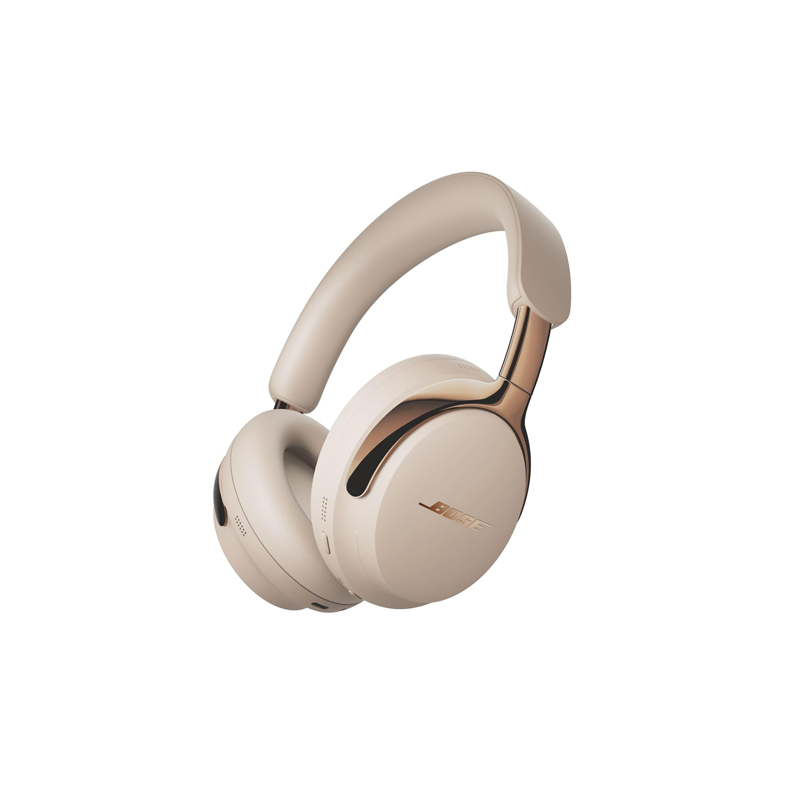
Look, the QuietComfort Ultra Headphones (2nd Gen) are excellent. They have slightly better noise canceling, more Bluetooth codec options, and a more premium design. If those things matter to you, there’s nothing wrong with spending the extra money.
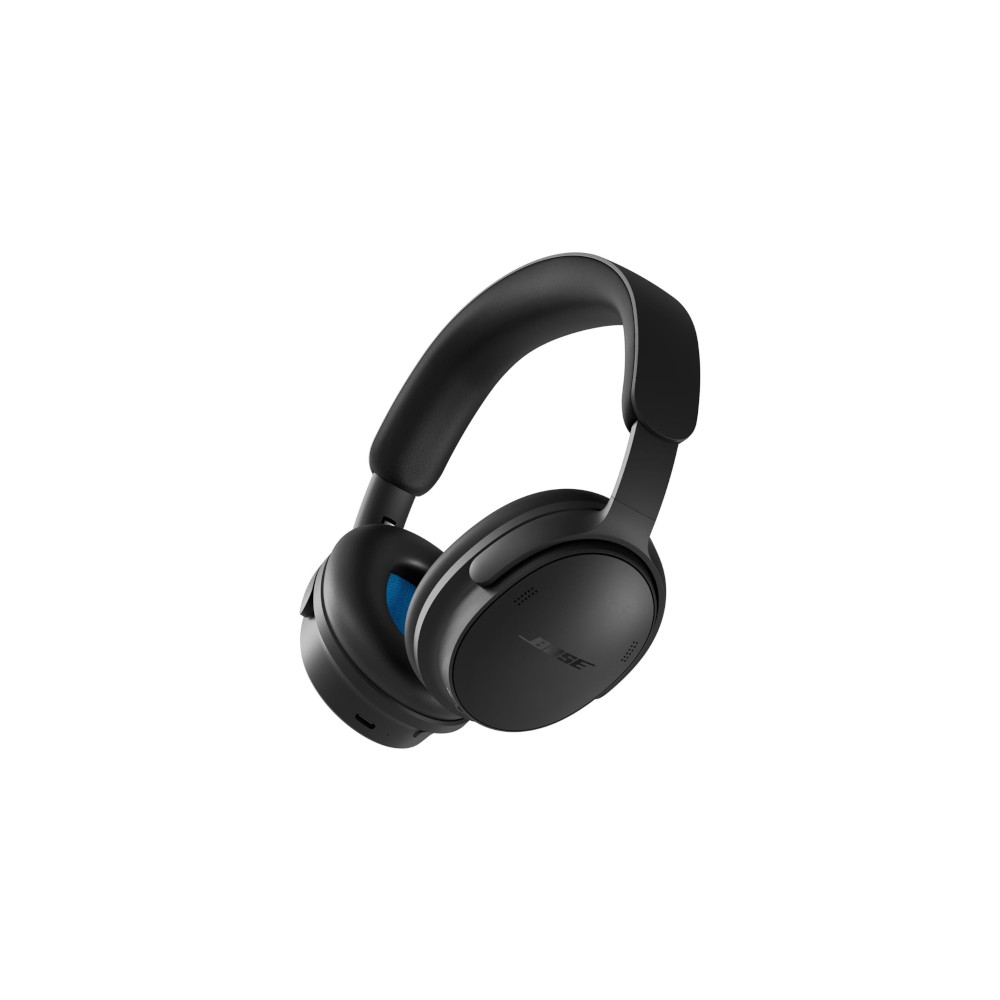
But after using both models, I know which ones I’d buy. The regular QuietComfort headphones are comfortable, have physical buttons I actually prefer, and sound great to me without touching the EQ. Throw in excellent noise canceling and USB-C audio, and I’m really not left wanting much.
At $359, they’re not exactly cheap. But compared to the $449 Ultras, I think they’re the smarter buy. And if Bose ever drops them to $299? That would make the decision even easier.
Good ANC
USB-C lossless
Price
Conversation
Read what readers said or add your take.