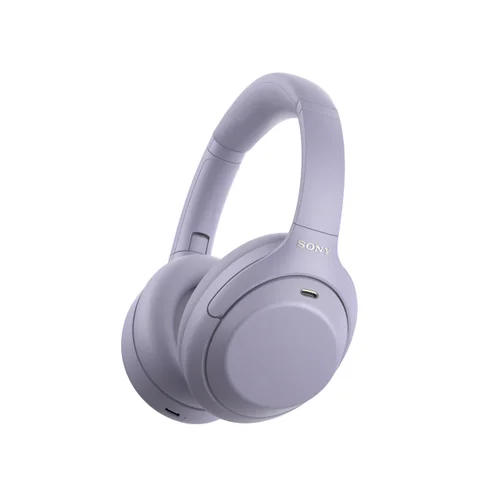
Over-Ear Headphones
Sennheiser Momentum 5
8.6/10SoundGuys scoreRead our review ›
1 of 1 would buy again
1 owner
Nothing surprising about comfort
$399.95at Amazon
Buy on AmazonAll products featured are independently chosen by us. However, SoundGuys may receive a commission on orders placed through its retail links. See our ethics statement.
 1 / 10
The Shure Aonic 40 strips out the premium materials of its more expensive predecessor, but keeps all the features.
At 5.5, its noise cancelling beats 0% of over-ear headphones we've measured.
Measured on 63 of the 245 we've cataloged.
No one has reported on this one yet.
Be the first. We ask a few quick questions about living with it, then check the review before publishing.
Own the Shure AONIC 40?
Be the first owner to write in — three answers, four quick reads, shown under a pseudonym.
below average for over-ear headphones — based on 159 of 245 we've cataloged.
Usb-c is the most common — on 88% of the 139 over-ear headphones we've cataloged (of 245).
5.0 is the most common — on 26% of the 152 over-ear headphones we've cataloged (of 245).
above average for over-ear headphones — based on 203 of 245 we've cataloged.
Objective measurements from the SoundGuys test lab — overlay other models to see how this one compares.
Measured frequency response (dB relative) against the SoundGuys Headphone Preference Curve. When the measurement goes above the dashed line, that frequency is louder than our preference curve, and when it goes below: it's quieter. Use the curve for comparison purposes only, as your taste may vary.
| Frequency (Hz) | Response (dB) |
|---|---|
| 20 | 7.9 |
| 25 | 7.6 |
| 32 | 6.8 |
| 40 | 5.8 |
| 50 | 4.7 |
| 63 | 3.9 |
| 80 | 4.4 |
| 100 | 4.8 |
| 125 | 4.7 |
| 160 | 3.2 |
| 200 | 3.3 |
| 250 | 4.0 |
| 315 | 1.8 |
| 400 | -2.2 |
| 500 | -2.7 |
| 630 | -0.8 |
| 800 | -0.4 |
| 1000 | -0.1 |
| 1250 | -0.5 |
| 1600 | 2.6 |
| 2000 | 3.2 |
| 2500 | 3.6 |
| 3150 | 5.0 |
| 4000 | 3.9 |
| 5000 | 13.3 |
| 6300 | 11.0 |
| 8000 | 10.3 |
| 10000 | 9.4 |
| 12500 | -0.4 |
| 16000 | 0.5 |
| 20000 | -19.0 |
Passive isolation (dB) with ANC off — how much ambient noise the fit blocks on its own. Higher on the chart means more attenuation.
| Frequency (Hz) | Attenuation (dB) |
|---|---|
| 21 | -0.7 |
| 26 | -0.7 |
| 33 | -0.1 |
| 41 | 0.0 |
| 52 | -0.3 |
| 65 | -0.9 |
| 82 | -2.1 |
| 103 | -0.7 |
| 130 | -1.6 |
| 163 | -1.8 |
| 205 | -2.5 |
| 259 | -5.2 |
| 325 | 2.1 |
| 410 | 1.1 |
| 516 | 2.8 |
| 613 | 6.8 |
| 772 | 8.2 |
| 972 | 9.4 |
| 1220 | 13.4 |
| 1540 | 16.0 |
| 1940 | 22.5 |
| 2440 | 26.6 |
| 3070 | 26.4 |
| 3870 | 29.6 |
| 4870 | 41.0 |
| 6130 | 27.3 |
| 7720 | 29.8 |
| 9720 | 28.1 |
| 12200 | 11.9 |
| 15400 | 26.5 |
| 19400 | 32.6 |
Total attenuation (dB) with ANC on — passive isolation plus active noise cancelling. Higher on the chart means more attenuation.
| Frequency (Hz) | Total attenuation (dB) |
|---|---|
| 21 | -0.8 |
| 26 | -0.8 |
| 33 | -0.4 |
| 41 | -0.5 |
| 52 | -1.1 |
| 65 | 0.0 |
| 82 | 0.6 |
| 103 | 6.7 |
| 130 | 9.3 |
| 163 | 13.0 |
| 205 | 12.4 |
| 259 | 8.9 |
| 325 | 9.0 |
| 410 | 8.2 |
| 516 | 6.6 |
| 613 | 8.3 |
| 772 | 8.1 |
| 972 | 9.5 |
| 1220 | 12.9 |
| 1540 | 14.0 |
| 1940 | 17.5 |
| 2440 | 24.4 |
| 3070 | 26.9 |
| 3870 | 29.2 |
| 4870 | 41.9 |
| 6130 | 26.6 |
| 7720 | 28.8 |
| 9720 | 29.9 |
| 12200 | 12.5 |
| 15400 | 20.7 |
| 19400 | 30.5 |
The verdict
The Shure AONIC 40 trims some of the excess of the AONIC 50, which makes for a reasonably priced, great-sounding pair of Bluetooth headphones. Mediocre and ANC and durability concerns notwithstanding, this is definitely one to consider.
✓Liked: Bluetooth 5.0; SBC, AAC, aptX, and wired, USB-C audio passthrough, Good app, Comfortable
✕Could be better: Expensive, So-so ANC
Nobody who owns the Shure AONIC 40 has written in yet.
Owner reviews are not paid for, not solicited from specific owners, and not rewritten by us: at most we proofread typos, which is shown on the review’s own page and which the author can undo. The commission SoundGuys may earn on this page comes from retail links, never from owner reviews.
Own the Shure AONIC 40?
Three answers, four quick reads, one sentence nobody tells you before buying. Shown under a pseudonym.
What readers ask about the Shure AONIC 40, answered by the people who own it.
Nobody has asked the owners yet.
Ask the first question →Commentary and deep dives from the SoundGuys editorial team.
 Jhaycee CalvezVideo Producer/WriterI've reviewed headphones for over a decade: Here are 5 things I wish they did differentlyHeadphone companies: help me help you
 Christian ThomasEditor-at-large5 ways headphones are going to change in 2027Here's where things are headed.Christian ThomasEditor-at-largeWired vs wireless headphones: Which should you buy?Wired headphones do not automatically sound better.
 Tom TriggsContributor
1 of 1 would buy again
1 owner
Nothing surprising about comfort
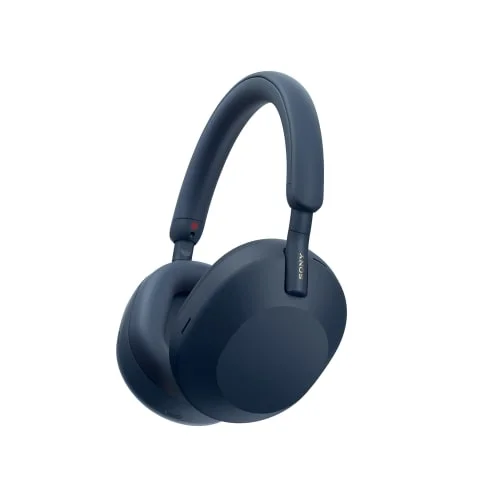
1 of 2 would buy again
2 owners · owners report ~40 h per charge vs 40 h claimed
The noise cancelling beat their expectations
Expected more from comfort



0 of 1 would buy again
1 owner · 1 photo-verified
Expected more from comfort

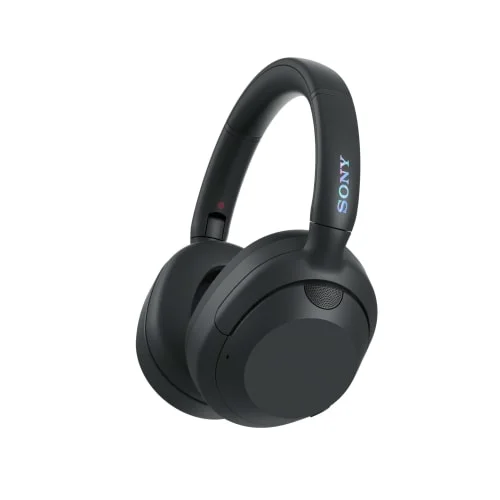
0 of 2 would buy again
2 owners · 2 photo-verified
The noise cancelling beat their expectations
The battery beat their expectations