All products featured are independently chosen by us. However, SoundGuys may receive a commission on orders placed through its retail links. See our ethics statement.
Why I stopped worrying about my Bluetooth speaker battery life
Aug 11, 2026 — 5:00 AM ET


Battery life used to be one of the first things I checked when a new Bluetooth speaker landed on my desk. The longer it lasted, the better. Simple enough. Then I started testing them.
Crank your volume, boost the bass, turn on the lights, or charge your phone, and that impressive number on the box can shrink pretty quickly. So after testing dozens of Bluetooth speakers everywhere from the office to camping in the mountains, I’ve realized I’d rather choose the right speaker for how I actually use it, rather than chase the longest advertised battery life.
And if I’m worried about running out of power, I already have the solution sitting in my backpack.
How important is battery life when you buy a Bluetooth speaker?
Advertised battery life comes with caveats
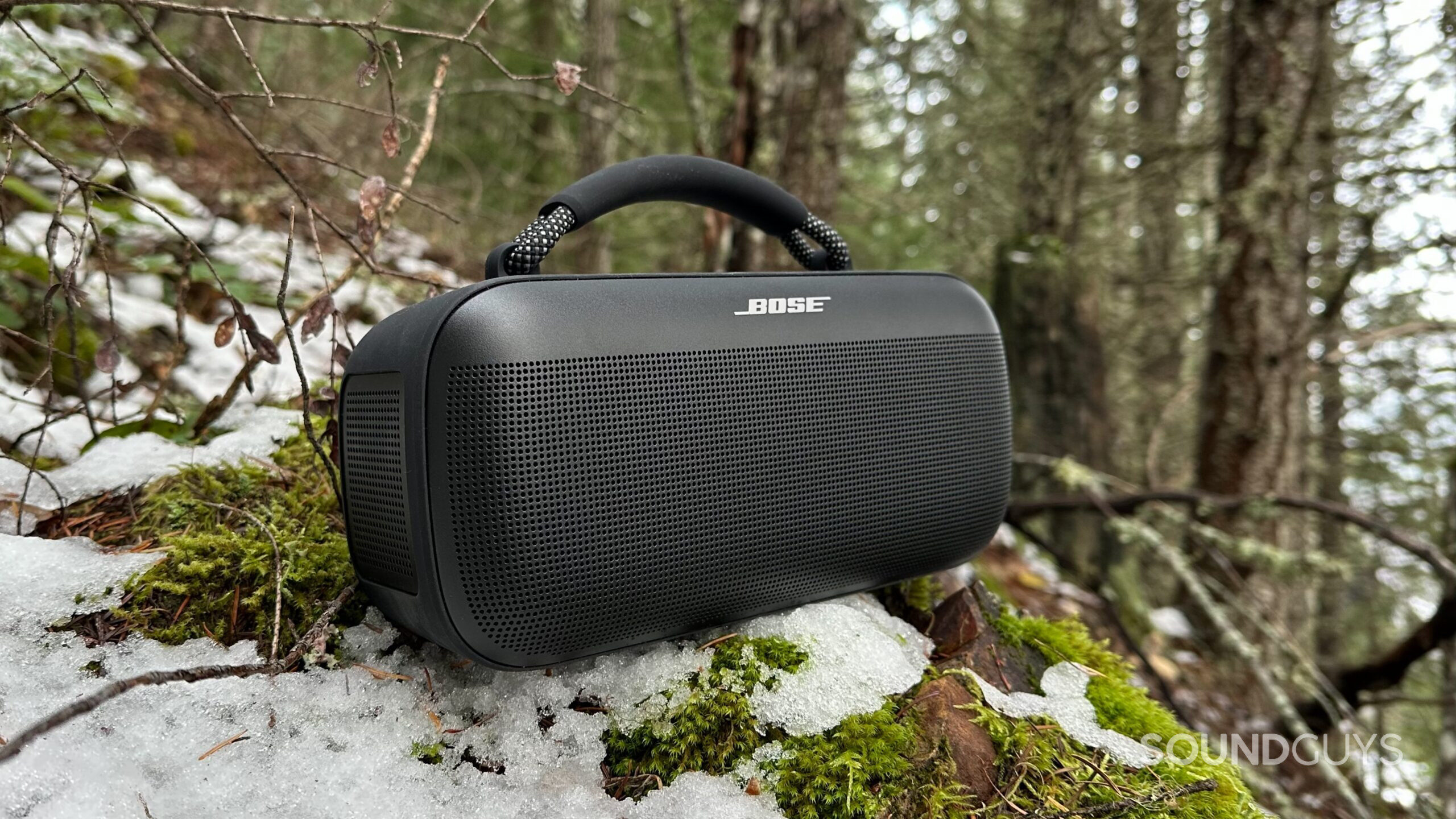
That battery life number on the box usually comes with an asterisk. Bose, for example, tests several of its Bluetooth speakers at 50% volume, using the default EQ and a mix of popular music. It even controls the temperature, testing at 20–25°C (68–77°F). That last detail is easy to overlook, but batteries are temperature-sensitive, so running your speaker outside on a cold, soggy camping trip isn’t the same as running it in a warm, thermostat-controlled office.
Your actual battery life depends on how you use your speaker and what you’re willing to sacrifice for a few extra hours.
There’s nothing wrong with testing this way. Manufacturers need repeatable conditions to produce a useful battery-life estimate. But those conditions probably aren’t how you’ll actually use your speaker. Take it to a rowdy barbecue or a busy beach day, and you’ll likely turn up the volume. Switch on the lights, boost the bass, or use the speaker to charge your phone, and you’re asking even more from the battery.
That’s why I’ve stopped treating advertised battery life as a promise. Your actual battery life depends on how you use your speaker and what you’re willing to sacrifice for a few extra hours.
I already carry the solution
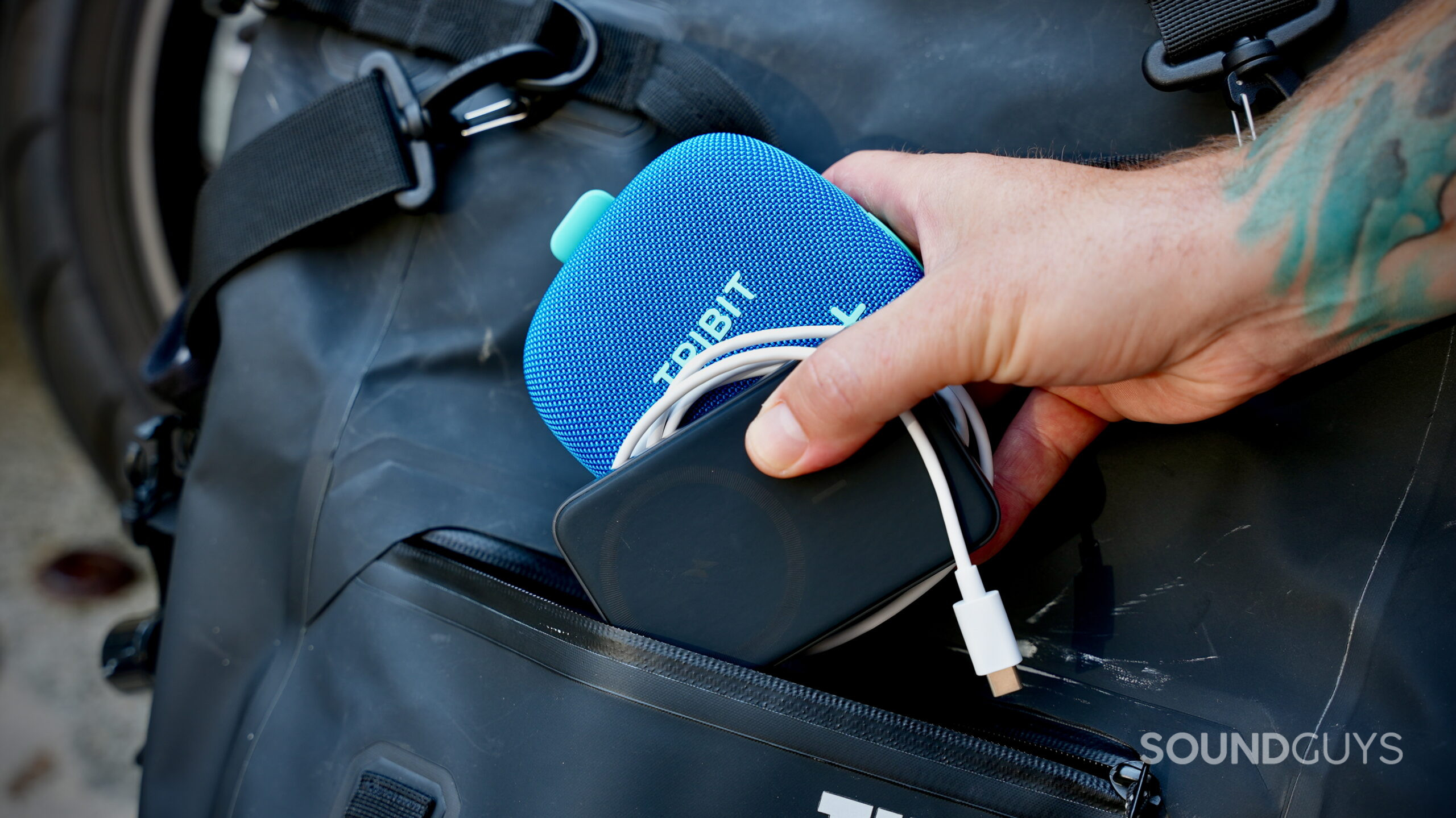
At some point, I realized I was worrying about a problem I’d already solved with my phone. If I’m out biking for the day, or even just out for the night with friends, I almost always have a small 5,000mAh or 10,000mAh power bank in my bag. They’re affordable, small, and easy to find these days. If my phone starts running low, I plug it in and keep going. So why should I treat my Bluetooth speaker any differently?
At some point, I realized I was worrying about a problem I’d already solved with my phone.
More importantly, carrying a power bank means I don’t have to babysit my speaker’s battery. I don’t want to turn down the volume, switch off the lights, or cut the bass boost just to squeeze a few more hours out of it. I bought the speaker to enjoy those things.
Even when I go camping for several days, battery life doesn’t suddenly become my top priority. I’m already bringing a much larger 40,000mAh power bank to keep my phone and other gear charged. For a bike ride, a beach day, or a night out with friends, I’ll bring something smaller. Either way, I’d rather bring the power bank that makes sense for the trip and use my speaker the way I want to.
I care more about battery longevity than battery life
If I’m going to worry about a Bluetooth speaker’s battery, I’m more interested in what happens to it years from now than whether I can squeeze another few hours out of it today.
Size matters, too. An ultra-portable speaker only has so much room for a battery. If I want something small enough to clip onto a backpack or throw in a pocket, I have to accept that it probably won’t last as long as a much larger speaker. That’s part of the tradeoff for portability.
At the other end of the spectrum, some larger speakers are making their batteries easier to manage over the long term. Models like the JBL Xtreme 5 and Boombox 4 offer replaceable batteries, while speakers like the Sony ULT Field 5 include a Battery Care mode designed to help preserve battery health. Features like these could make a much bigger difference to me years from now than another few hours of advertised battery life.
I’d rather choose the right speaker for the job and figure out how to keep it charged afterward.
Thank you for being part of our community. Read our Comment Policy before posting.