All products featured are independently chosen by us. However, SoundGuys may receive a commission on orders placed through its retail links. See our ethics statement.
4 reasons I'll always pick Bose over Sony headphones

Nov 28, 2026 — 5:00 AM ET


Sony makes excellent headphones. Its flagship WH-1000XM6 checks nearly every box on paper, with strong noise cancelling, excellent sound quality, and a deep feature set. But even so, as someone who reviews headphones for a living, there’s a difference between the ones that test and score well and the pair I gravitate towards actually using every day when I leave the house.
For me, that pair is often the Bose QuietComfort Ultra Headphones (2nd Gen). But even putting the pricey flagships aside, I’d still point most people to the cheaper Bose QuietComfort Headphones (2nd Gen) over Sony’s budget-friendly options. This isn’t about which brand wins a spec sheet. It’s about what holds up over months of commutes, long flights, and everyday listening. Here are four reasons I’ll always pick Bose over Sony.
Bose headphones are more comfortable
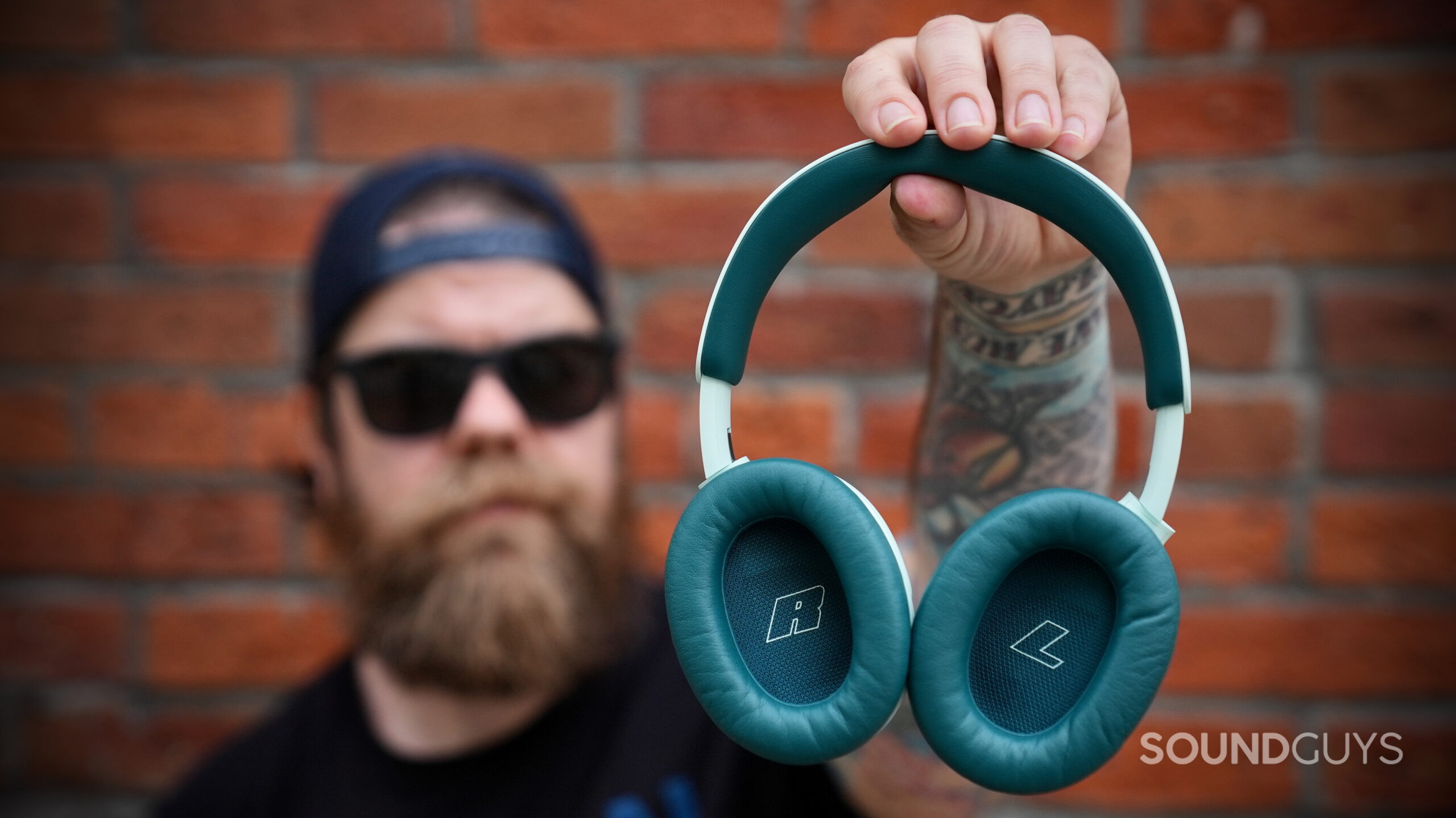
Comfort is the big reason I keep coming back to Bose. Maybe that’s not the biggest surprise (it’s in the name, after all), but the design really does make a difference. Earlier this year, I wrote about why I can’t bear to wear the Sony WH-1000XM6. The earcups are shallow and small for a flagship, so my ears press against the walls and heat up. The thin headband padding starts pressing on the top of my head within an hour.
The bigger problem there, too, is that the ANC microphone sticks out about 2mm inside each earcup. If I don’t get a perfect seal right away, it presses into my ears, which can cause discomfort. A colleague had the same issue, and for headphones meant to be worn all day, that’s a dealbreaker. The QC Ultra (2nd Gen) has deeper earcups and much plusher padding. On a cross-country flight to CES, I wore the Bose the whole way without adjusting them once. You don’t need the flagship for that comfort, either. The cheaper QC Headphones (2nd Gen) are even lighter at 230g and stay comfortable for hours, too.
Sony has a dubious durability track record

If I spend around $450 on headphones, the last thing I expect is for them to break. Take a look at the r/SonyHeadphones subreddit, and you’ll see plenty of stories of snapped hinges, which doesn’t exactly inspire much confidence. When we polled readers about the WH-1000XM5, 47% of more than 2,000 respondents said theirs had failed in some way. A broken headband or hinge was the most common problem, at 24%. The issue was even widespread enough to draw a class-action lawsuit in the US.
The XM6 was supposed to fix that with a redesigned hinge, and it helped. But owners soon started reporting cracked hinges anyway. This summer, a new failure point emerged: a plastic ring on the headband that can crack, allowing the sliding section to detach completely.
Sony seems to know it. The WH-1000XM4C, a 2026 refresh of the XM4, brings back the older, sturdier folding hinge. As I wrote when it launched, the XM4 is still Sony’s best-selling headphone ever, and the XM5’s fixed hinge is part of why. But the fix means going back to a six-year-old design.
Granted, not every pair breaks, and plenty of owners have had no trouble at all. What bothers me more is how Sony handles it. Owners say broken parts get classified as physical damage and warranty claims get denied. After two generations of seeing the same story, I’d rather not roll the dice.
Bose lets me listen over USB-C

The QC Ultra (2nd Gen) can play lossless audio over a USB-C cable, as long as your phone or laptop supports it and the cable uses all of the connector’s pins. Plug it in, start playback, and the headphones switch to the wired source. That’s handy on a plane when the battery is low, or at my desk when I want the best signal my laptop can send. This isn’t just a flagship perk at Bose. The $359 QC Headphones (2nd Gen) also play lossless audio over USB-C at up to 24-bit/48kHz, and they ship with both a USB-C cable and a USB-C-to-3.5mm cable.
The XM6 can’t do that. Its USB-C port only charges, which our review notes as a drawback. You can still use the 3.5mm cable, but that means carrying an extra cable, and many phones haven’t had a headphone jack for years. For a pair of headphones this expensive, wired digital audio feels like a basic feature.
I’d rather have aptX than LDAC

Sony leans on LDAC, its own high-bitrate Bluetooth codec. In practice, LDAC can drop to 330kbps to keep the connection stable. As I pointed out when explaining why I won’t buy the Sony WF-1000XM6, that mode’s resolution and 18kHz cut-off fall short of Qualcomm’s aptX.
The QC Ultra (2nd Gen) supports the aptX Adaptive family, including aptX Lossless. There is a catch: the high-bitrate modes require Snapdragon Sound, which means an Android phone with a Snapdragon 8 Gen 3 or newer chip. Samsung phones don’t support it, and iPhone users are stuck with AAC on either pair. But if you have a compatible phone, Bose gives you a higher-quality wireless option than Sony.
To be fair, this one is an Ultra perk. The cheaper QC Headphones (2nd Gen) stick to SBC and AAC, while the XM4C keeps LDAC.
Sony wins some things, but not enough
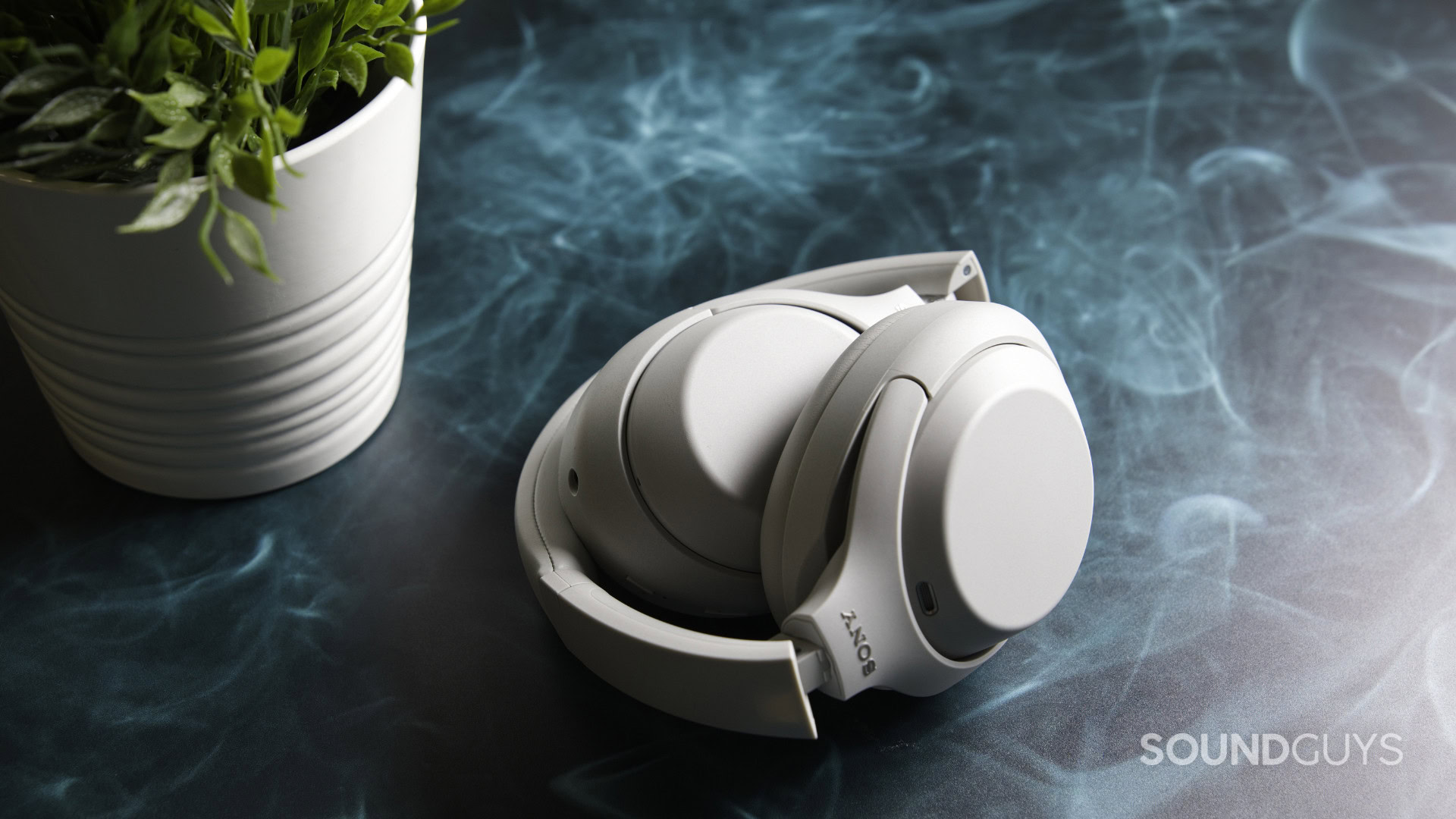
I’ll give Sony its due. The XM6 matches or beats the Bose on noise cancelling, sound quality, and battery life. It also delivers stronger microphone performance, and Sony’s app offers far more control, especially with the equalizer. Bose’s basic 3-band EQ is far too simple if you like to fine-tune your sound.
Sony’s cheaper models are great, too. The WH-1000XM4C adds a 10-band EQ, Bluetooth 6.0, and a user-replaceable battery to a proven design, and it dropped to $198 for Black Friday. The WH-CH730N is rated for about 50 hours with ANC on and sells for under $100, though its noise cancelling scored below average in our lab. Sony also supported Bluetooth LE Audio first, though Bose has started closing that gap with a free beta update that adds LE Audio and Auracast to the QC Ultra (2nd Gen).
Still, the things that matter most to me day-to-day are comfort, durability, and flexible ways to listen. That’s where Bose keeps winning me over, so it’s the brand I’ll keep buying, at least until Sony gives me a reason to switch back.

Conversation
Read what readers said or add your take.