All products featured are independently chosen by us. However, SoundGuys may receive a commission on orders placed through its retail links. See our ethics statement.
3 headphones I would buy instead of the Nothing Headphone (1) Pro

Nov 19, 2026 — 4:00 AM ET


So you’re thinking about grabbing the Nothing Headphone (1) Pro, but there are some lingering doubts in your mind. Maybe you’ve read reviews panning the headphones, or you’re unsure if there’s any hidden surprises in store for you — a big worry for anyone sinking hundreds of dollars into headphones. I’ve been lab testing and reviewing headphones for 15 years now, and good news: there’s a lot out there that could make you happy! Here’s what I’d buy instead of the Nothing Headphone (1) Pro.
Why you might not like the Nothing Headphone (1) Pro

As they’re the current halo product of the Nothing headphones lineup, the Nothing Headphone (1) Pro commands a hefty price tag. But there’s enough weirdness in its design that could cause buyer’s remorse if you spend full price on them. Namely:
- Mass: at 327 grams, these are heavier than competitors like the Sony WH-1000XM6 (254g) and Bose QuietComfort Ultra (2nd Gen) (265g). Premium materials choices like metal and glass are much heavier than plastic.
- Multi-driver design: Getting the headphones to sit on your head in a way that works best is difficult — and can significantly impact what you’ll hear. Highs are especially prone to peaking issues in a way that more traditional headphones usually don’t suffer from. Usually.
- Price: at $399, the Nothing Headphone (1) Pro is in the same price tier as more established brands. You’re not saving a ton of money by choosing the Nothing Headphone (1) Pro.
- Case: it’s a minor thing, but it matters to some people. The hardshell case of the Nothing Headphone (1) Pro is very weird, and we hear complaints about it often.
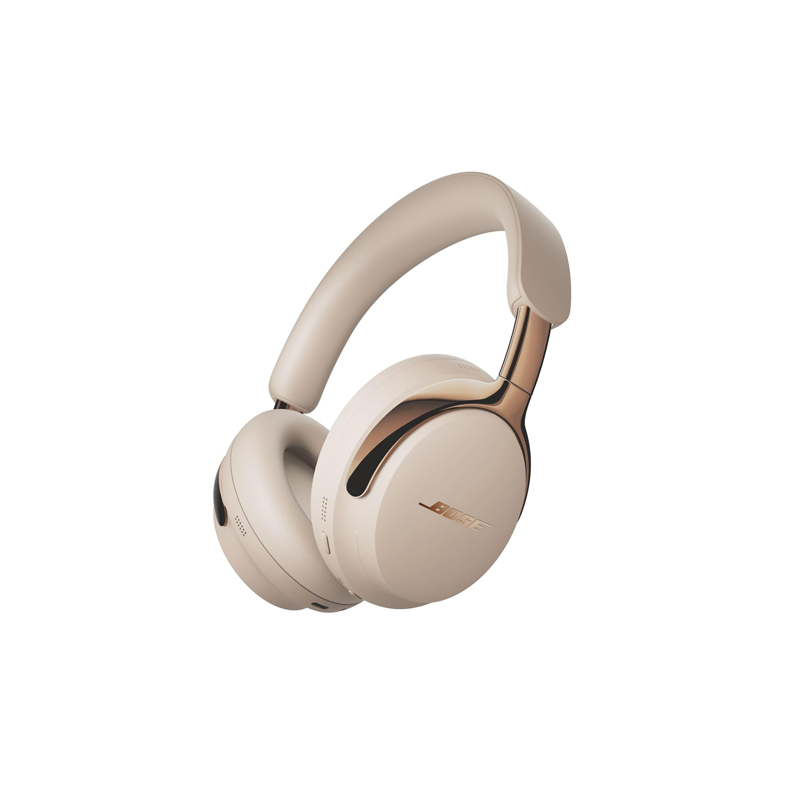
The Bose QuietComfort Ultra (2nd Gen) offer better sound quality, ANC

When it comes to raw performance, the Bose QuietComfort Ultra (2nd Gen) is the obvious alternative to the Nothing Headphone (1) Pro. Though it’s nowhere near as flashy as the Nothing headphones, it easily bests them in terms of raw performance. Part of this is simply good old institutional knowledge, but much of it has to do with the troubles that a multi-driver design can cause over-ear headphones. Where Nothing tried to shoot the moon with a radical design, Bose stuck to fundamentals — and it paid off in the QuietComfort Ultra (2nd Gen).
For those of you looking for raw ANC performance, our lab tests might imply only a few percentage points between the two headphones. However, where each headphone cancels noise is pretty important for your average listener. In the chart below, see how the Bose QuietComfort Ultra (2nd Gen) cancels noise more effectively between 200 and 1,000Hz. That’s where most of the annoying sounds you hear live day-to-day. Increased ANC performance in ranges where common irritants live will mean that a broader range of annoying sounds get quieted.
The main reason you’d want to stick with the Nothing over the Bose flagship ANC headphones is the features, but if you’re performance-minded: the choice is pretty clear.

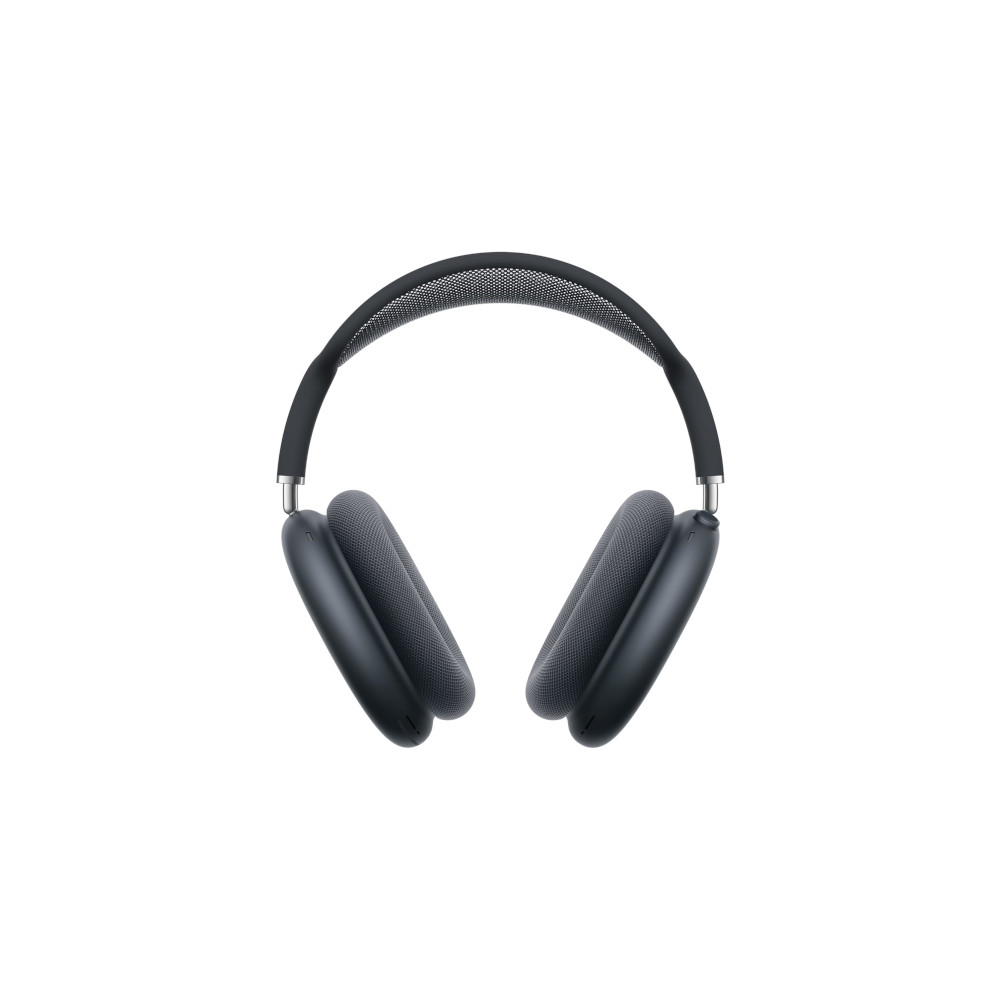
The Apple AirPods Max 2 offer better sound quality, iPhone integration

As a headphone reviewer, it makes my skin crawl to recommend people go out and buy the AirPods Max 2 instead of something less expensive, but hear me out. Nothing’s main draw for the Headphone (1) Pro is the features, right? Well, if you have an iPhone: there’s no beating the AirPods Max 2 or AirPods Pro 3 in this regard. I mean, outside of the equalizer; Nothing offers an excellent one while Apple’s… is a bit basic.
Just like Bose, Apple stuck with a single driver per channel design, and good fundamentals led to good results. Sound quality, despite being complicated by adjusting the tuning to the volume you choose, would be rated more positively than that of the Nothing Headphone (1) Pro.
In terms of ANC, there’s just no beating the AirPods Max 2:
And as for features… where do I begin? While Nothing requires an app and an account to access some of its main features, AirPods products have deep integration with the iPhone’s operating system. This means that your headphones — assuming they’re made by Apple — will be directly supported by the features your phone provides. Things like hearing health, anything enabled by the H2 chip, adaptive transparency mode, hearing protection, and more will simply be somewhere in your phone’s settings and don’t require you to go through any additional effort to set it up.
Though Nothing’s app and features through it are truly special, Apple’s OS-level integration means that AirPods products will always be more frustration-free than competing models for users with an iPhone. Just be aware that the AirPods Max is even heavier than the Nothing Headphone (1) Pro at over 380g.
The Nothing Headphone (1) offers much of the same, but for less

Yeah, yeah I know. It might seem like a cop-out answer, but anyone who’s seriously looking at the Nothing Headphone (1) Pro should look at the Nothing Headphone (1) or Nothing Headphone (a) instead to save money. Given the edge in sound quality between the two, I’d recommend the (1) to most people.
It’s no secret that Nothing’s first headphones have had a bit of a rough road the past couple years, but today their firmware is quite mature. And the product — while imperfect — supports many of the same features as the Headphone (1) Pro. Really, the main omissions are the ability to set the center frequency of each equalizer filter in parametric mode, and being able to serve as a transmitter to other headphones so you can all share audio. If you can live without those, you can live with the Nothing Headphone (1).
Sound quality is a tossup, but with the parametric equalizer — or shared EQ presets via the Nothing X app — you can significantly improve the Headphone (1)’s sound. The issues with the Nothing Headphone (1) Pro on the other hand… are a bit more complicated to unravel. Given the price difference (and the fact that the Headphone (1) is likely to go on sale due to its age), users looking at the Headphone (1) Pro should probably take a punt on the older Headphone (1) instead.


Of course, there’s more
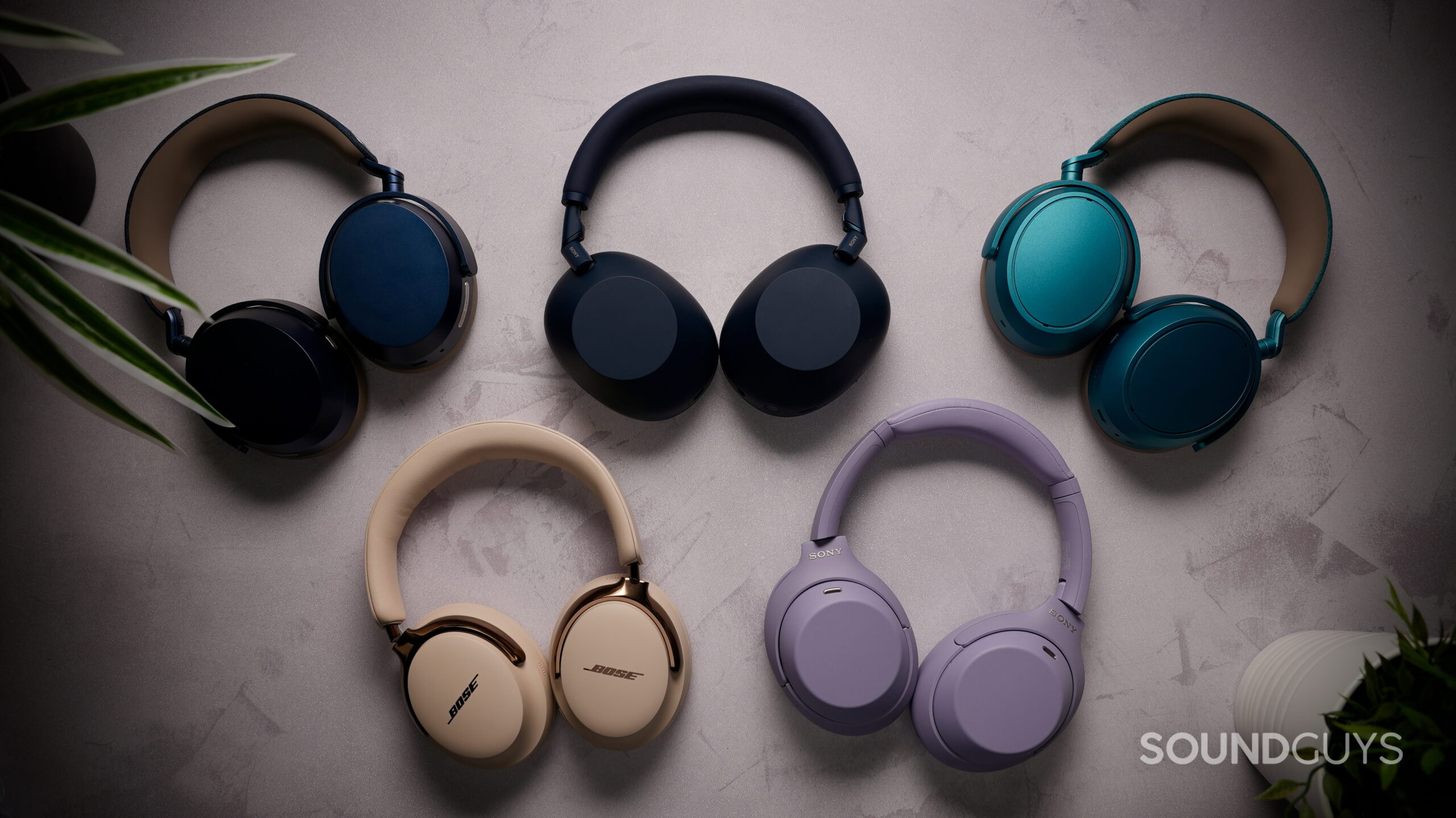
I’ve highlighted the main three headphones I usually recommend over the Nothing Headphone (1) Pro and why, but there’s a ton out there. Even the entry-level Nothing Headphone (a) has a lot to offer the right kind of consumer, but it didn’t make the list because of a crowded field. So, too, does the Sennheiser MOMENTUM 5 Wireless fall by the wayside because of the strength of its competitors — even though it’s a very good headset. Chances are very good that you’ll find something you like better than any of the models discussed here simply by perusing SoundGuys or poking around online. For example, our list of best noise cancelling headphones.
The issues with the Nothing Headphone (1) Pro I’ve noted above are worth paying attention to, but they’re not dealbreakers for everyone. If you don’t consider yourself an audiophile or you’re more interested in the headphones for reasons I didn’t touch upon, then go nuts! But if you still have lingering doubts, maybe listen to those and keep looking. Getting the right ANC headphones is more important than getting ones that look good, after all.
Conversation
Read what readers said or add your take.