All products featured are independently chosen by us. However, SoundGuys may receive a commission on orders placed through its retail links. See our ethics statement.
I've tested sleep earbuds for years, and these are the best headphones for sleeping in 2026
Oct 8, 2026 — 11:59 AM ET
Regular earbuds are miserable to sleep in unless you lie perfectly still on your back. I’ve spent the past few years sleeping in sleep earbuds, earplugs, and sleep masks with built-in speakers on flights, in thin-walled hotel rooms, and next to snoring coworkers, and SoundGuys has measured dozens of sleep products tested in our lab. These are the ones worth buying.
Anker Soundcore Sleep A30 Special: The best sleep earbuds overall
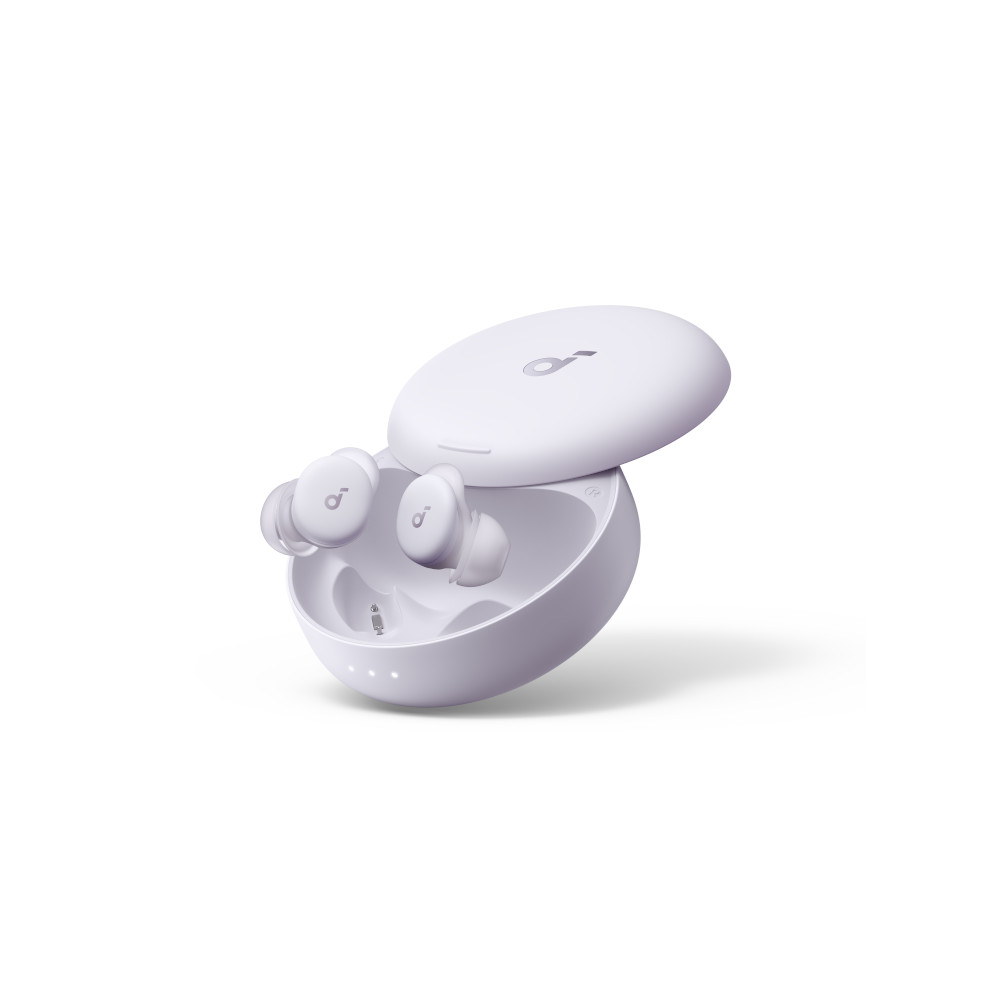
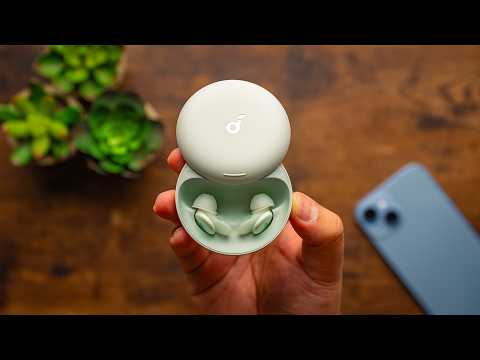
The Soundcore Sleep A30 Special are tiny wireless earbuds built for sleeping, and they are among the few sleep earbuds with active noise canceling (ANC), which uses microphones to electronically cancel steady sounds around you. Our lab testing shows the ANC works best between 20 and 200Hz, the low rumble where traffic, air conditioners, and snoring sit. On top of that, the charging case listens for snoring in the room and adjusts a covering sound in your ears to match it. This is the pair I pack for press trips, and it has saved me from more than one roommate sawing logs two feet away. The flat shape stays comfortable when I’m on my side, and the box includes four pairs of silicone tips, three pairs of memory foam tips, and three pairs of ear wings to dial in the fit.
The Special fixes my two complaints about the original Sleep A30. That model lasted 7 hours and 33 minutes in our testing, just short of a full night, while Soundcore rates the Special for 8 to 10 hours per charge. It also costs $199.99, which is $30 less than the original’s launch price. You can stream your own audio over Bluetooth or use the built-in library, which now includes sleep stories from the Calm app alongside white noise and Soundcore’s AI-generated relaxation tracks.
These are the earbuds I pack when I know I'm sharing a room with a snorer.
Soundcore says the Special will replace the original Sleep A30. If you spot the older model on clearance, you get the same noise canceling with a shorter battery. And if steady low rumble isn’t your problem, the Sleep A20 in our honorable mentions skips ANC, costs $149.99, and lasts longer per charge.
Ozlo Sleepbuds 2: Best earbuds for sleeping on your side
- Comfortable
- Battery life
- Features
- No ANC
- No wireless charging
- No multipoint
- Price
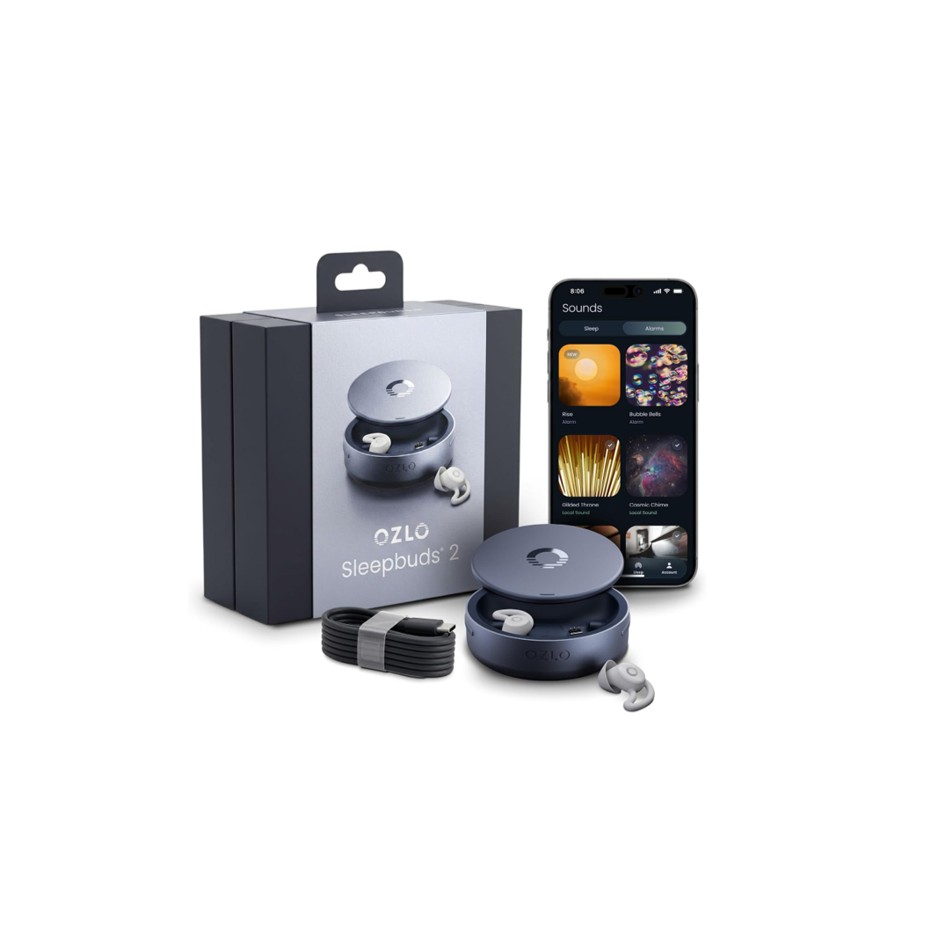
The Ozlo Sleepbuds 2 are the most comfortable sleep earbuds I’ve worn. They are noticeably smaller and lighter than the Sleep A30, and they sit flush enough that rolling onto my side doesn’t push them into my ear canals. The battery now lasts up to 14 hours, and after eight hours of streaming I still had about 30% left, with three to four more full charges in the case. At $279, they are the comfort pick for side sleepers who have given up on regular earbuds because they hurt after an hour.
A new button inside the case pairs the earbuds, starts or stops the built-in sleep sounds, and snoozes your alarm, so you never have to squint at your phone in the dark. The earbuds also notice when you’ve fallen asleep and switch from your podcast to a noise-covering sound on their own, while the app tracks your sleep and the case logs the noise, light, and temperature in your room. The trade-off is that there’s no ANC. In our lab they cut high-pitched sounds like voices by 30dB or more, but low rumble like engines or bass through a wall only drops by about 5 to 10dB. The case also has no wireless charging, and the earbuds only connect to one device at a time. If a steady low hum is what keeps you up, the Sleep A30 Special handles it better for less money.
Small enough to sleep on your side in, with the battery to make it to morning.

Loop Quiet 2: Best earplugs for sleeping
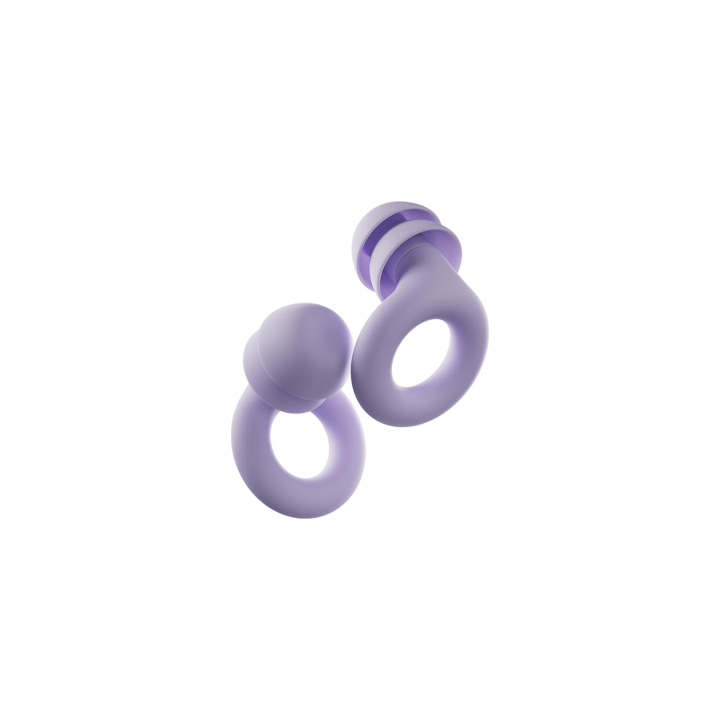
The Loop Quiet 2 are simple silicone earplugs that muffle noise without batteries, apps, or a charging case. Our lab testing shows they reduce the loudness of outside noise by an average of 72.8%, which is enough to take the edge off traffic, air conditioners, and noisy neighbors. At $24.95, they are the cheapest way on this list to get a quieter night.
Loop also sells the Quiet 2 Plus for $34.95 at Amazon, which adds double-layered ear tips that the company says block more sound. We measured only a marginal improvement, 73.5% versus 72.8%, so most sleepers will be fine with the standard version. These are the pick if you want silence instead of audio and don’t want to charge anything.
No battery, no app, no charging case. Just less noise.
https://www.youtube.com/shorts/6j5YKcDFPlA
Sleenova SoundMask: Best sleep mask headphones
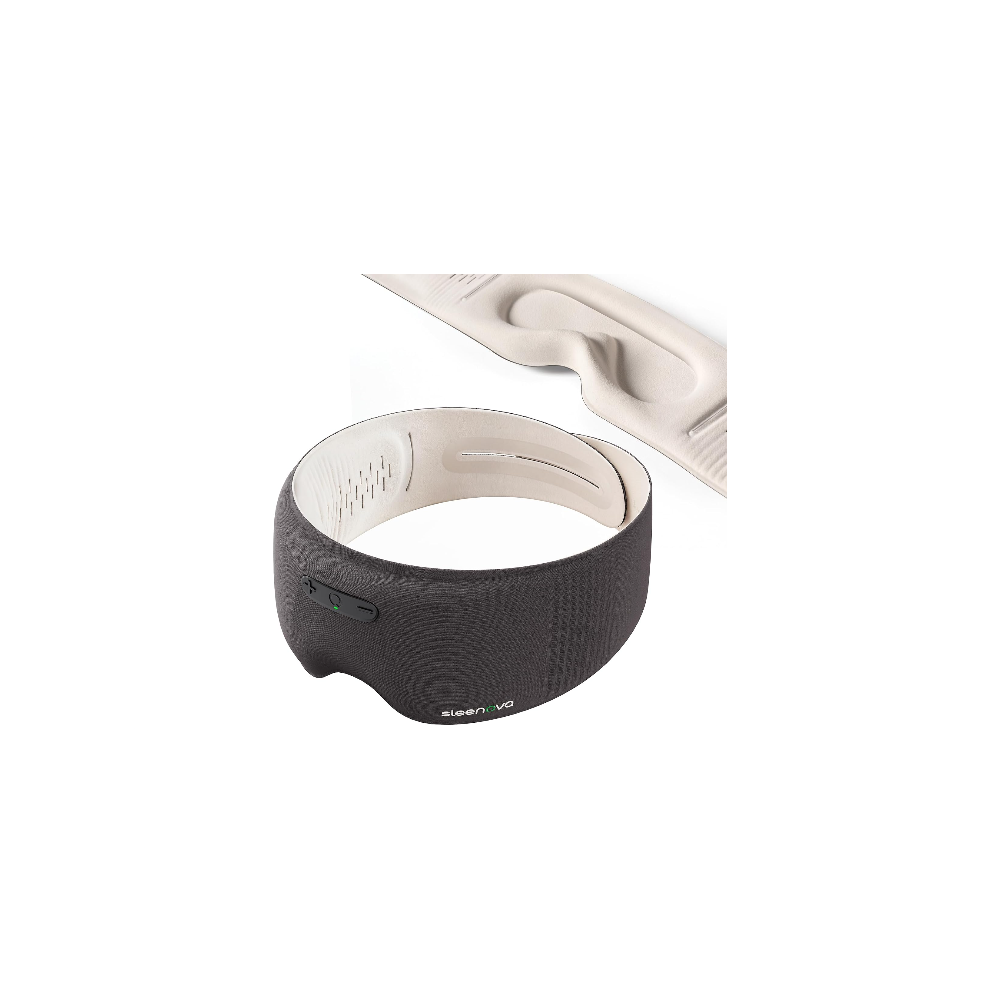
- No pressure on ears
- Blocks out light
- Comfortable
- Machine washable
- Can use offline
- Sound leakage at higher volumes
- Doesn't block out noise
If earbuds always leave your ears sore, the Sleenova SoundMask takes a different route: thin, padded speakers built into the sides of a sleep mask, so they sit next to your ears instead of inside them. I felt no pressure on my ears, even on my side, and the contoured eye cups blocked out light completely without pressing on my eyelids. The Velcro strap kept the mask in place while I thrashed around, and at $129.99 it costs far less than most sleep earbuds.
It blocks out light completely and puts zero pressure on my ears, even on my side.
You can stream anything over Bluetooth, or download sounds from the Sleenova app straight to the mask and play them without your phone, which is handy on a plane. Buttons on the front handle play, pause, and volume, and the app’s sleep and nap modes each have a timer and optional alarm. The sound is decent, more than good enough to drift off to a quiet song or podcast, and the Stream Flow and Heavy Rain sounds came across the most natural. The trade-off is that nothing seals your ears. The mask won’t drown out a snoring partner, and anyone lying next to you will hear what you’re playing at 50% volume or higher. It also runs a little hot, though you can pull out the electronics and machine wash the fabric in the included mesh bag. Expect to spend a few minutes lining the speakers up with your ears the first time you wear it.
NextSense Smartbuds: Best earbuds for sleep tracking
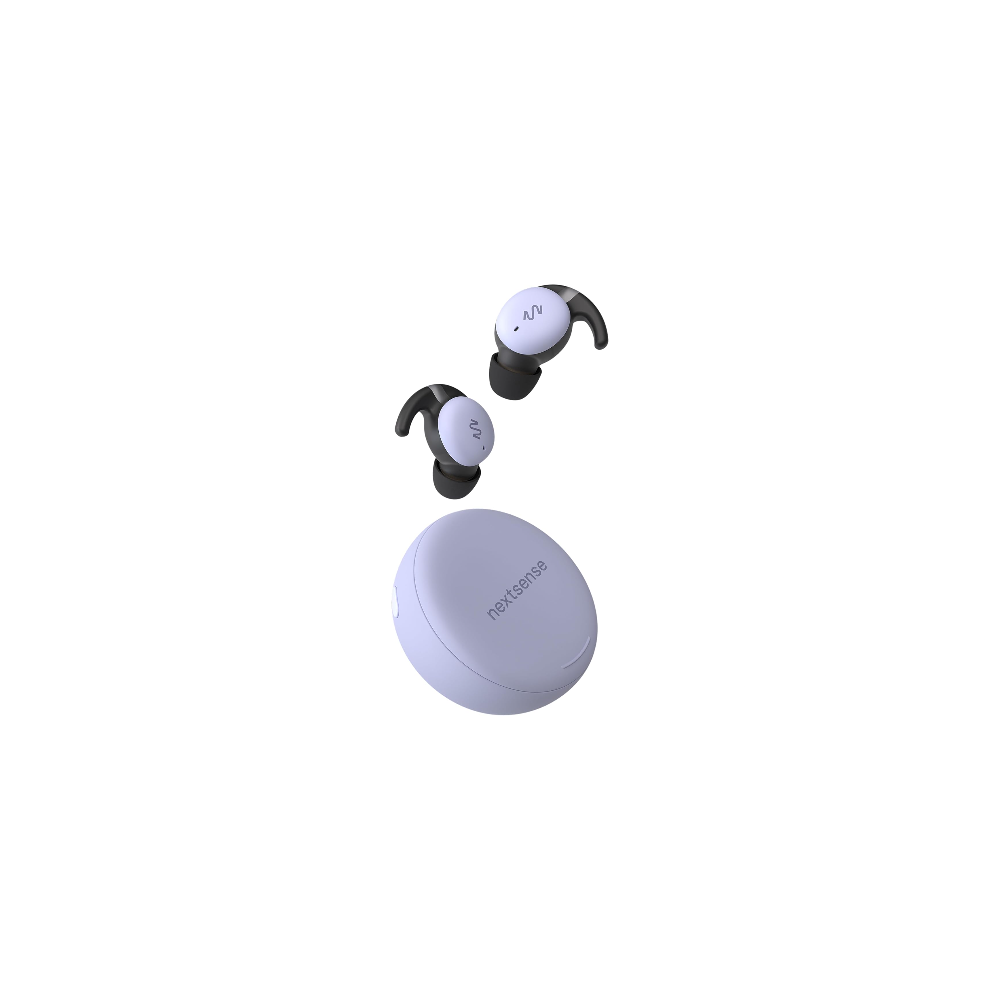
Most sleep trackers guess what stage of sleep you’re in from how much you move or your heart rate. The NextSense Smartbuds use six EEG sensors, which read the brain’s electrical activity, to detect when you’re in light sleep, deep sleep, or starting to wake. They then play precisely timed sounds designed to strengthen deep sleep, the phase tied to physical recovery and memory. I got hands-on time with them at CES 2026, and they are the first wireless earbuds to pack in this technology.
Sleep tracking that reads your brain instead of guessing from your wrist.
All of that comes at a cost. The Smartbuds are $349.99 but are regularly discounted for $299 or less. They also come with a Fit Kit subscription that mails you fresh ear tips and wings every month to keep the sensors in good contact with your skin. The first three months are included, then it’s $14.99 a month. You can pause or cancel it, though tracking accuracy will likely suffer. If you just want quiet, the Sleep A30 Special and Ozlo Sleepbuds 2 are better buys. If you want to know what your brain is doing at night, nothing else here comes close.

Already own one? See every pick measured against it.
We add yours to every chart on this page, and unlock the owner review you can leave for other buyers.
Nothing to sign up for
Honorable mentions

Per charge 10 h
Anker Soundcore Sleep A20: At $149.99, the Sleep A20 are the budget alternative to our top pick, with the same low-profile shape for side sleepers and a 14-hour battery. There’s no ANC, so low rumble gets through, and the built-in sleep sounds are less clear than the newer model’s.

Per charge 9.5 h
Ozlo Sleepbuds: The original Sleepbuds have a similarly small fit that works for side sleepers, and they can stream your own audio or play built-in sleep sounds. The battery doesn’t last as long as the Sleepbuds 2 and pairing is more of a hassle, so they are only worth it if you find them for well under the $279 the newer model costs. [VERIFY: current price and availability]

Sound 4.8 /5ANC 8.4 /10Per charge 60 h
Edifier W820NB Plus: If you sleep on your back or upright on a flight, these $79.99 over-ear headphones are the pick. The ANC reduces low rumble like engines and air conditioning, and the battery lasted nearly 32 hours with ANC on in our testing. The padded ear cups are comfortable, though they get warm after about 30 minutes.

ANC 7.5 /10Per charge 60 h
Anker Soundcore Life Q20: For $59, these are cheaper noise canceling headphones for sleeping upright or on your back, though they are slightly less comfortable than the Edifier W820NB Plus.
What to look for in good headphones for sleeping

Comfort comes first. The best noise canceling in the world doesn’t help if a hard plastic shell is digging into your ear at 3AM. Start with how you sleep: side sleepers need something that sits flush with the ear, while back sleepers can get away with almost anything that’s comfortable and lasts the night.
If they hurt after an hour, nothing else about them matters.
After comfort, think about what’s keeping you awake. Steady low rumble, unpredictable noises, and a racing mind each call for a different tool, and the list below covers what to weigh.
- A low profile for side sleeping: Earbuds shouldn’t stick out of your ears, so you can lie in any position without pain. This matters most if you want one pair for both day and night.
- Battery life of 10 hours or more: Adults need at least seven hours of sleep, and many of us take a while to drift off. Ten hours gives you time to fall asleep and still covers a nine-hour night.
- ANC for steady, low noise: Active noise canceling is best at droning sounds like traffic, air conditioners, and engines.
- A good seal for everything else: Sudden or higher-pitched sounds like voices are muffled better by a physical barrier, so the fit of your ear tips or ear pads matters a lot. The quietest option combines a good seal with ANC.
- Built-in sleep sounds: Some sleep earbuds and masks store white noise or nature sounds on the device, so you can play them without your phone nearby.
- Mono listening: If you sleep with only one earbud in, switch your phone’s audio to mono in its accessibility settings so you don’t lose half of what you’re listening to. Some earbuds have a single-earbud mode that does this for you.
- A mask or headband if you toss and turn: Speakers built into a sleep mask or headband stay put in any position, when earbuds can fall out and over-ear headphones get in the way.
- A way to keep the volume in check: You can’t tell how loud your audio is while you’re asleep, so pick something you can set at a low level and trust to stay there.
Why you should trust me

I’m the Managing Editor at SoundGuys and the one who actually sleeps in these things. I reviewed both generations of the Ozlo Sleepbuds, the Soundcore Sleep A30, and the Sleenova SoundMask, and I travel with sleep earbuds to tradeshows and press trips, where shared hotel rooms and red-eye flights are a better stress test than any quiet bedroom. For me, a sleep product has to pass three tests: I can lie on my side without feeling it, I can wear it for eight hours straight, and I never have to fumble with a Bluetooth menu in the dark.
Shared hotel rooms and red-eye flights are a better stress test than any quiet bedroom.
My experience is backed by our lab. At SoundGuys, we measure isolation, noise canceling, battery life, and frequency response using a Bruel & Kjaer 5128, a test head with an anatomically realistic ear canal and outer ear, so our numbers reflect how products behave on a real person. Our team confers on the best products in each category before we publish, and we update this list as new and worthy products come out.
What do you look for in headphones for sleeping?
Nobody at SoundGuys sells products or has a personal financial stake in what you buy, and our staff adheres to a strict ethics policy. When we get something wrong, we correct it and own up to it.
Frequently asked questions
Generally yes, if you keep the volume low and your ears comfortable. According to Cleveland Clinic, wearing earbuds overnight can trap moisture in the ear canal, which raises the risk of outer ear infections. They can also push earwax deeper into the ear and cause pain if they press into your ear while you sleep on your side. Loud audio is the bigger worry. You can’t tell how loud things are once you’re asleep, and long or repeated exposure to loud sounds can cause hearing loss. Noise canceling can also make it harder to hear an alarm or an emergency. Keep the volume low, clean your ear tips, and stop wearing them and see a doctor if you notice pain, a blocked feeling, or ringing.
As quiet as you can go while still covering the noise that bothers you. The World Health Organization recommends keeping your device at no more than 60% of its maximum volume, and a Cleveland Clinic audiologist suggests about half or lower for sleep, quiet enough that you could still hear someone speaking to you. For reference, the US National Institute on Deafness and Other Communication Disorders (NIDCD) says sounds at or below 70 decibels are unlikely to cause hearing loss even after long exposure, while headphones at maximum volume can reach 94 to 110 decibels. If you’d need to turn the volume up high to drown something out, look for better noise blocking instead, like ANC or a tighter-sealing ear tip.
They can help some people, but they aren’t a cure. According to the NIDCD, there is currently no cure for tinnitus, but sound therapy can reduce symptoms by masking the ringing or distracting you from it, and for mild tinnitus a sound generator may be all you need to fall asleep. Sleep earbuds that play white noise or nature sounds do the same job as a bedside sound machine. Keep the volume low, and talk to a doctor or audiologist if your tinnitus is new or getting in the way of daily life.
You can, especially if you sleep on your back. Any comfortable wireless earbuds with more than eight hours of battery life will do the job. Side sleepers usually run into trouble, because regular earbuds stick out and press into the ear against a pillow. That’s what purpose-built sleep earbuds fix.
Yes, if they stream audio over Bluetooth. The Soundcore Sleep A30 Special, Ozlo Sleepbuds 2, and Sleenova SoundMask will all play whatever app, podcast, or playlist you choose from your phone. All three also have their own built-in sleep sounds, so you don’t need a separate app.
The Ozlo Sleepbuds 2 are the smallest and most comfortable sleep earbuds we’ve tried. If any earbud bothers you, a sleep mask like the Sleenova SoundMask puts thin, padded speakers next to your ears instead of inside them.
It depends on how you sleep. Over-ear headphones tend to block more noise and sound better, but they are bulky for side sleepers. Earbuds are smaller and work in more positions, though they can fall out. Sleep masks and headbands with built-in speakers are a third option: soft, flat, and comfortable in any position.
Thank you for being part of our community. Read our Comment Policy before posting.